
Amsterdam startup SUNT created a unique pop-up activation centered around a simple idea. Customers could exchange their overripe bananas for a free slice of banana bread. The concept turned a common household waste item into a conversation starter while introducing people to the brand’s sustainable food products.
The one-day pop-up event took place in Amsterdam and was designed to highlight the scale of food waste while promoting SUNT’s mission. The brand produces ready-to-go banana bread using bananas that would otherwise be thrown away. By building a creative pop-up experience around this idea, SUNT was able to raise awareness, attract media attention, and connect directly with consumers.
Temporary retail spaces are increasingly used by startups and established brands to test ideas, launch products, and create memorable brand experiences. Brands planning a similar activation can explore available pop ups in Amsterdam to find flexible retail spaces for short term events.
The Concept Behind the Banana Bar
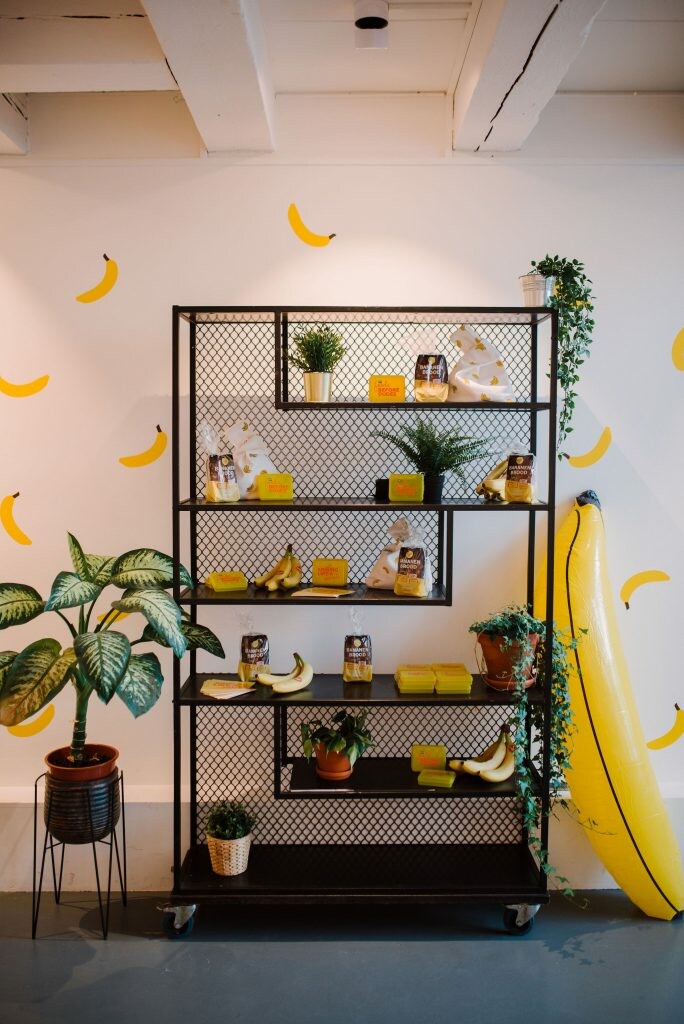
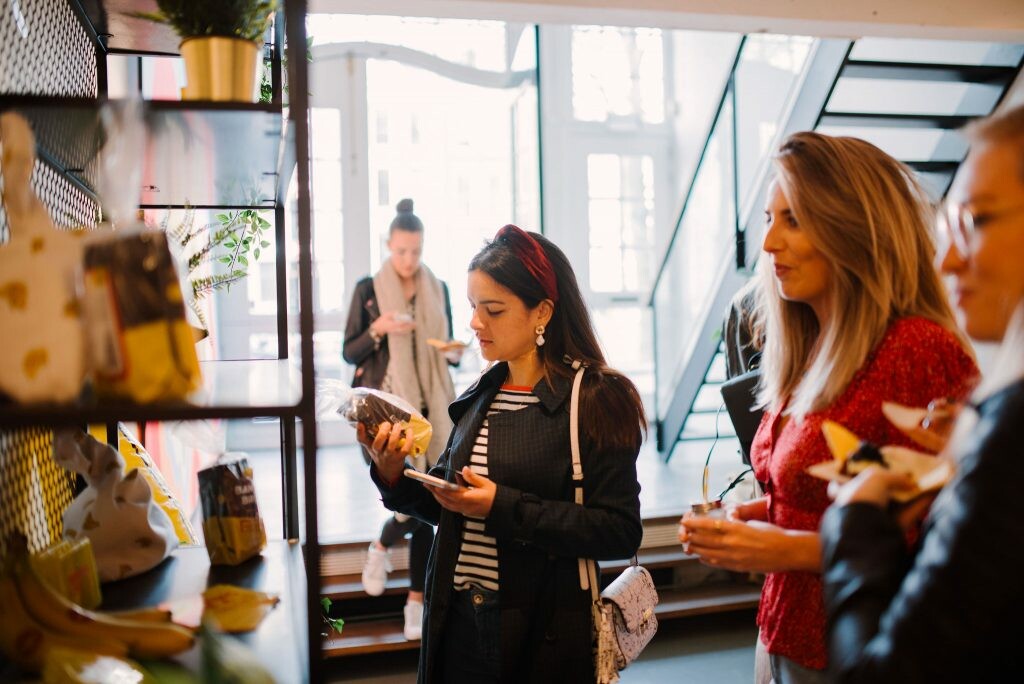
The pop-up was built around a playful but purposeful concept. Visitors were invited to bring old or overripe bananas and exchange them for a free slice of banana bread.
The idea highlighted an important global issue. Billions of bananas are wasted every year despite being perfectly usable for baking and food production. By collecting leftover bananas from visitors, the brand demonstrated how food that might normally be thrown away can still be transformed into something valuable.
The event also served as a way to introduce people to SUNT’s banana bread products and explain how the company works with surplus fruit to reduce food waste.
A Creative Way to Build Awareness
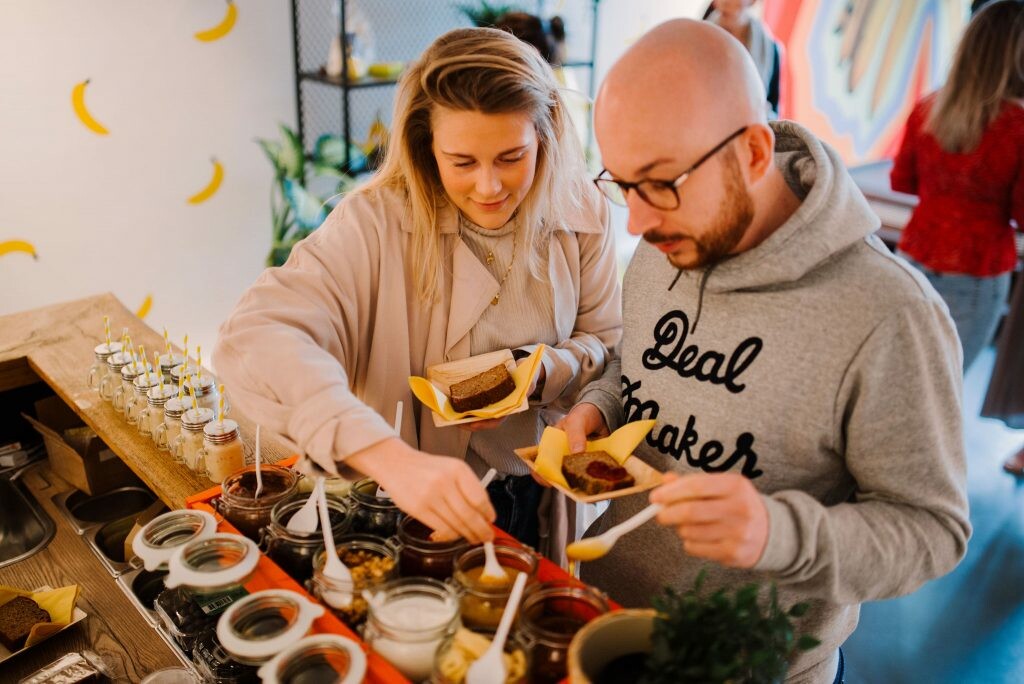
For a young startup, building brand awareness is often one of the biggest challenges. The banana bar pop-up allowed SUNT to create a moment that was both engaging and newsworthy.
The event attracted strong media interest. Multiple magazines and newspapers covered the story in the lead up to the activation, and several journalists attended on the day to interview the team and photograph the pop-up.
Social media also played a role in amplifying the concept. Visitors shared photos and reactions online, helping the campaign reach people beyond the physical event itself.
For brands launching their first activation, pop-ups can be a powerful way to generate organic press and social media attention. Creative concepts often attract interest from journalists and influencers without requiring a large marketing budget.
Choosing the Right Pop-Up Location
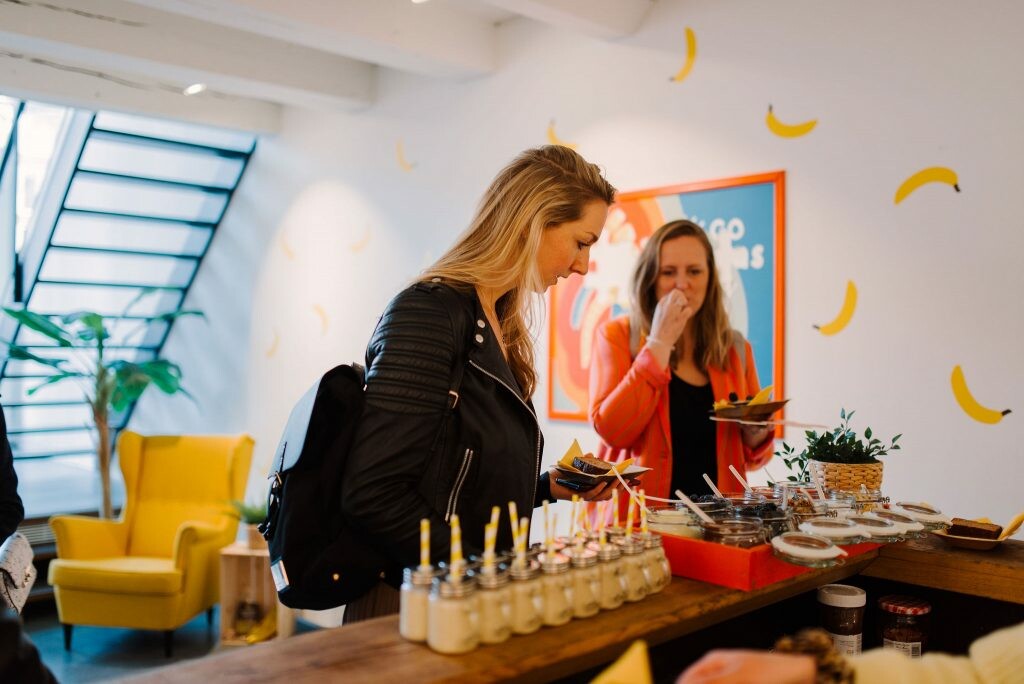
Location played an important role in the success of the activation. The pop-up space was located in central Amsterdam on Prinsengracht, a busy area with strong foot traffic.
The storefront itself was open and visible from the street, allowing passersby to immediately see what was happening inside. This visibility helped draw attention to the event and encouraged spontaneous visitors to step inside.
For startups operating with limited budgets, short term retail spaces offer a practical solution. Renting a space for a single day or weekend can still create a meaningful brand experience without the financial commitment of a permanent store.
Why Pop-Up Shops Work for Startups
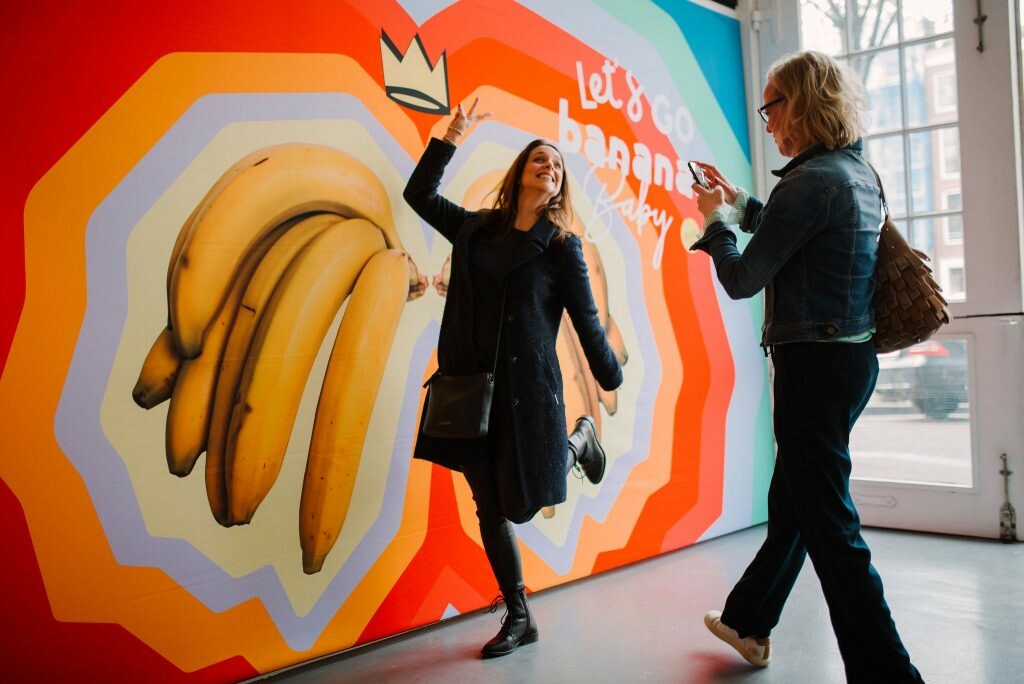
SUNT’s banana bar demonstrates how pop-up stores can help early stage brands build momentum. Temporary retail allows companies to test ideas, connect with customers, and generate buzz around their products.
Pop-ups can also support product launches, brand storytelling, and community engagement. Because the format is flexible, brands can experiment with creative concepts that might not work in traditional retail environments.
For entrepreneurs interested in launching a similar activation, our guide on how to open a pop-up shop explains the key steps involved in planning and running a successful pop-up.
Key Takeaways for Brands Planning a Pop-Up
SUNT’s banana bar offers several lessons for brands considering temporary retail.
Start with a clear concept that connects directly to your brand story. The banana exchange made the sustainability message easy to understand and memorable.
Choose a location that supports visibility and foot traffic. A well positioned space can naturally attract visitors.
Use the event as an opportunity to generate press and social media coverage. Unique ideas are more likely to be shared by journalists and visitors alike.
With the right concept and location, even a short one-day pop-up can create strong brand awareness and meaningful engagement.
Browse Storefront to find your perfect space.

- How Knotel Used a Pop-Up Showroom in New York to Demonstrate Its Agile Office Concept - March 11, 2026
- How Amnesty International Used a Pop-Up Store in Amsterdam to Launch the “World Peace” Campaign - March 10, 2026
- How Brands Use Pop-Up Spaces During Art Basel Miami to Reach Global Audiences - March 10, 2026
Related posts:
 How ELLE Magazine Used a Pop-Up Event in Amsterdam to Launch a Special Edition
 How Karvan Cévitam Created a Lemonade Pop-Up Bar Experience in the Netherlands
 How an “Empty” Pop-Up Store in Amsterdam Attracted Hundreds of Curious Visitors
 How Amnesty International Used a Pop-Up Store in Amsterdam to Launch the “World Peace” Campaign
 Why Fashion Brand Teym Launches a Pop-Up Store in Amsterdam Every Year