
The traditional art fair model can feel exclusive, complex, and difficult to navigate — especially for emerging artists and first-time collectors. Superfine! Art Fair was created to challenge that structure by making contemporary art more transparent, approachable, and accessible.
Rather than operating from permanent locations, Superfine! uses short-term gallery spaces to host curated, city-based art fairs. This flexible pop-up model allows the organization to reach new audiences while maintaining creative control over each event’s design and atmosphere.
If you’re exploring how temporary exhibitions work in practice, our guide on why artists are choosing pop-up galleries over traditional exhibitions explains how this format is reshaping the art industry.
Accessibility as a Strategic Foundation
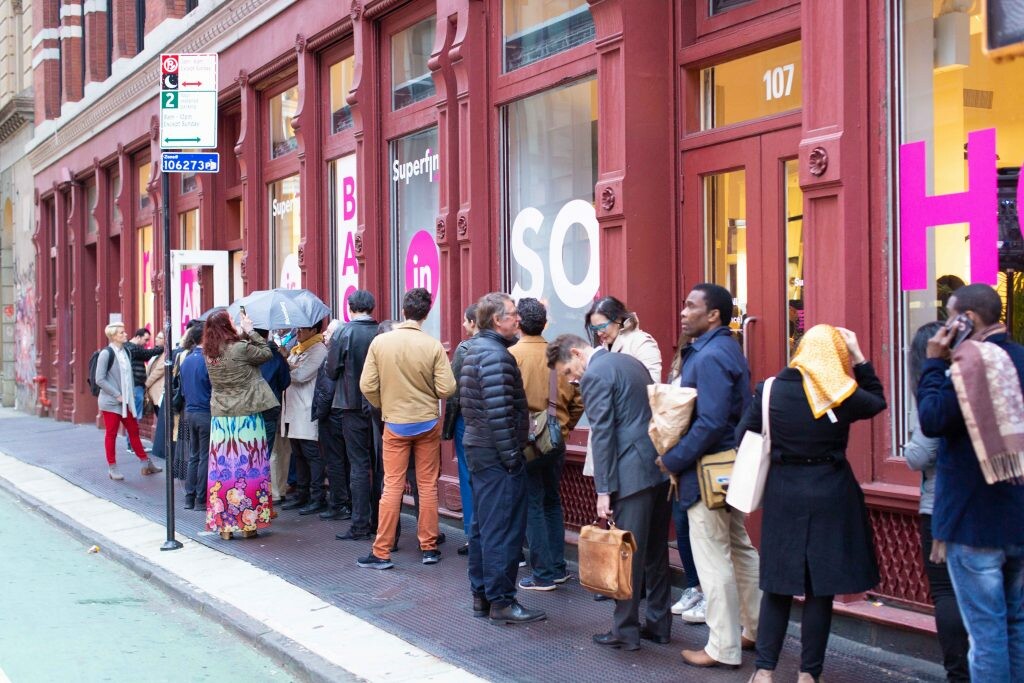
Superfine! positions itself at the intersection of affordability and curation. Works presented at its fairs are priced accessibly, with transparent pricing and a no-haggle structure designed to reduce barriers for new collectors.
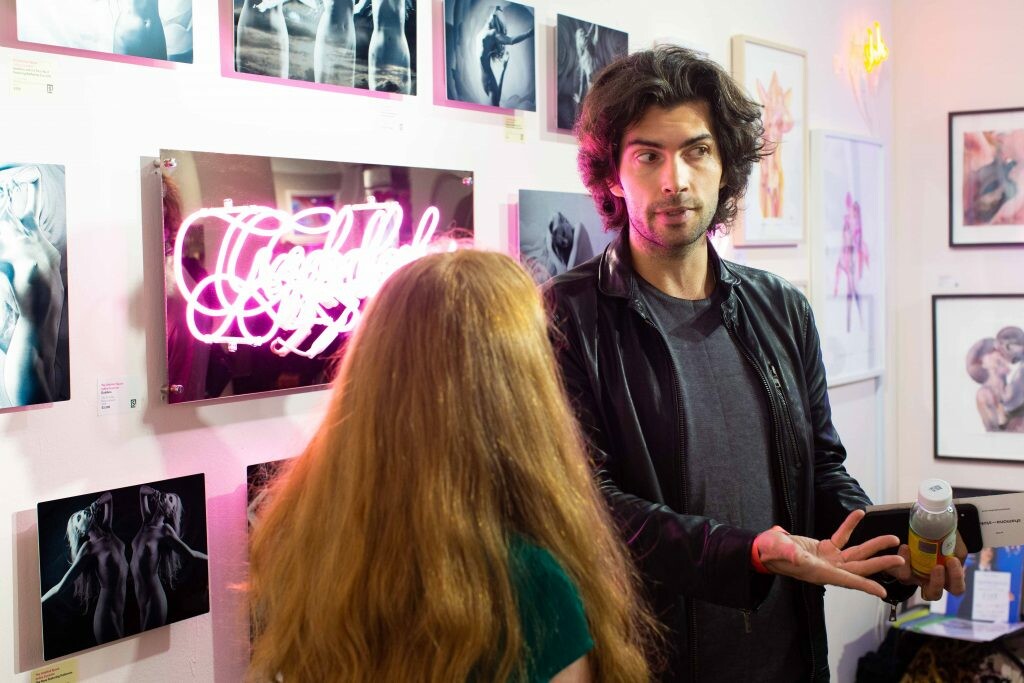
The approach differs from large-scale convention-style art fairs. Instead of overwhelming visitors with hundreds of galleries, Superfine! focuses on highly curated selections and direct artist interaction.
Founder Alex Mitow has described the model as operating at the intersection of accessible pricing and “hyper-curated” presentation. The goal is not to reinvent art fairs entirely, but to create a more personal environment where buyers can meet artists, ask questions, and build long-term relationships.
This emphasis on direct engagement aligns with a broader shift in the art market. As discussed in our guide on how to set up a pop-up art gallery, temporary exhibitions allow artists and organizers to control presentation and audience interaction without relying solely on traditional institutions.
Why Temporary Space Matters
Superfine! operates as a traveling fair series, using short-term rentals rather than establishing permanent venues. This flexibility allows the organization to enter new markets, test neighborhoods, and tailor each event to local audiences.
Temporary gallery space gives organizers the ability to:
- Choose culturally relevant neighborhoods
- Align with major art weeks and industry events
- Adjust scale based on city demand
- Create urgency through limited-time exhibitions
In New York, hosting the fair in SoHo placed it in a historically significant contemporary art district with strong foot traffic and public transportation access. Strategic location selection is critical when working within a temporary format.
Artists and organizers considering similar strategies can explore available short-term gallery venues in New York and other major art markets such as London, Paris, Miami, and Milan.
Designing Space for Interaction
Unlike traditional art fairs that rely on massive convention centers, Superfine! prioritizes manageable space that fosters connection.
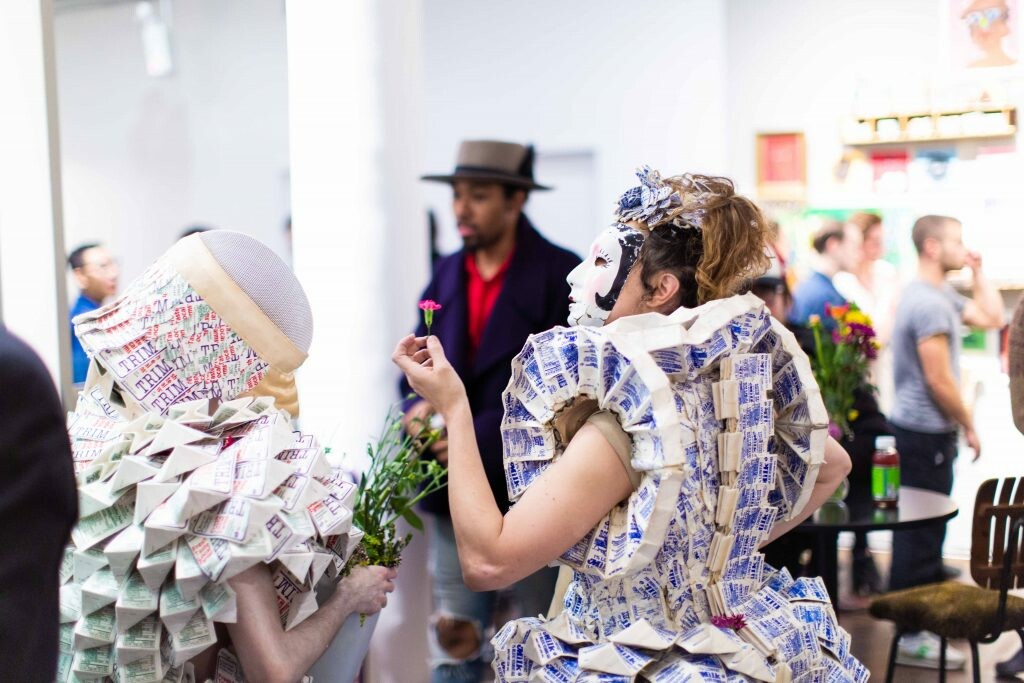
The layout allows each artist sufficient display room while preserving a comfortable flow for visitors. The environment supports panel discussions, networking sessions, and informal conversations between collectors and creators.
This approach demonstrates how the pop-up model can be adapted beyond solo exhibitions. Temporary space is not limited to individual artists — it can support curated fairs, group shows, and multi-day cultural events.
For organizers concerned about financial planning, our guide to creating a low-budget pop-up art gallery outlines strategies for managing costs while maximizing impact.
The Future of the Pop-Up Art Fair Model

Superfine!’s growth across multiple cities shows how temporary exhibitions can serve as scalable platforms. By leveraging short-term rentals, organizers can expand into new markets without long-term property commitments.
This model reduces overhead, increases agility, and supports experimentation — all critical advantages in a rapidly evolving art economy.
Whether you are an independent artist, curator, or event organizer, the pop-up format provides the flexibility to create tailored experiences aligned with your audience.
If you’re considering launching your own exhibition or art event, you can browse curated art gallery exhibition spaces for rent or compare available venues across major cities.
To explore more examples of brands and creatives using temporary space successfully, visit our broader Success Stories collection.
Pop-up art fairs like Superfine! illustrate that temporary space is not just a cost-saving solution — it is a strategic tool for accessibility, engagement, and innovation in the art market.
Book your next art gallery in SoHo, NYC on Storefront today!

- Before and After: 3 Pop-Up Store Transformations That Bring Spaces to Life - March 18, 2026
- Offline Marketing Ideas for Pop-Up Shops - March 18, 2026
- How to Promote a Pop-Up Shop on Social Media - March 18, 2026
Related posts:
 How Artist Julia Ryan Used a Pop-Up Gallery to Launch a New Collection
 Kanye West Yeezus Tour Pop-Up Store in NYC
 How Birchbox Used a Pop-Up Shop in Chelsea Market to Bring Its Beauty Discovery Experience Offline
 J.Hilburn’s SoHo Pop-Up: A Luxury Menswear Brand Steps Into Physical Retail
 How Indochino Used Pop-Up Showrooms in New York to Introduce Custom Menswear