

Pop-up stores are no longer limited to retail brands. Over the past decade, companies across technology, media, and finance have experimented with temporary spaces to connect directly with customers and explain their products or services in person.
One notable example was Facebook’s “It’s Your Facebook” pop-up event, hosted on London’s famous Carnaby Street. The short-term activation demonstrated how tech companies can use pop-up spaces not to sell products, but to create conversations, answer questions, and build trust with users.
Brands exploring similar concepts can browse available London pop-up retail spaces to host temporary activations, brand experiences, or informational events.
The Concept Behind the “It’s Your Facebook” Pop-Up
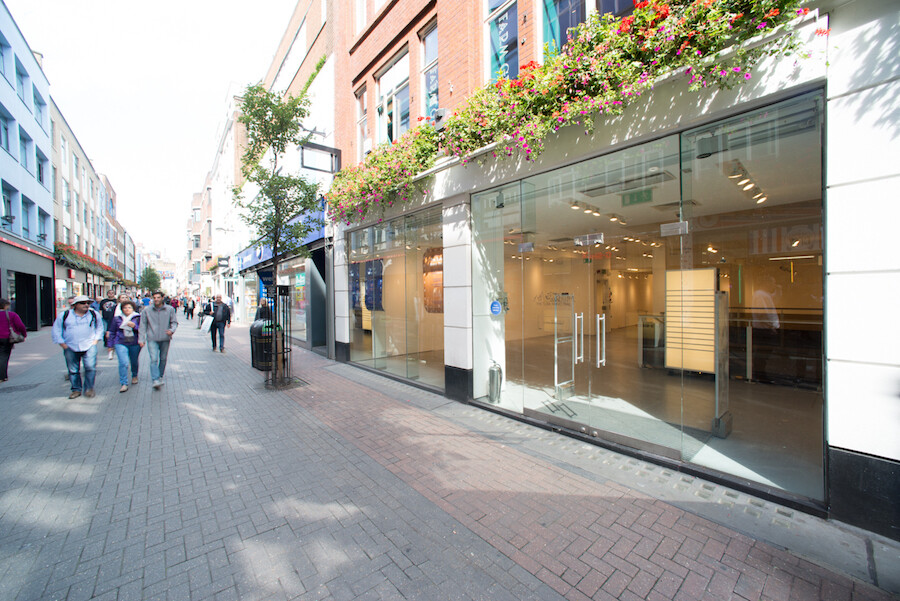
The pop-up was designed as an open, interactive environment where visitors could speak directly with members of the Facebook team.
Instead of focusing on product promotion, the event centered on education and transparency. The goal was to create a space where people could ask questions about how the platform works and learn more about tools that help users manage their experience.
According to the team behind the activation, the aim was to provide:
“A space where people can come down and talk to us directly and ask the questions they want, on the topics that matter most to them.”
Visitors could learn about topics such as privacy controls, account settings, and ways to manage their personal information on the platform.
Why Carnaby Street Was the Ideal Location
The event took place on Carnaby Street, one of London’s most recognizable shopping destinations. Known for its mix of global brands, independent retailers, and busy pedestrian traffic, the area is frequently used for brand activations and pop-up experiences.
The location helped attract both people who already knew about the event and passersby exploring the neighborhood. Temporary spaces in high-footfall retail districts like Carnaby Street often perform well for experiential pop-ups because they combine visibility with accessibility.
For tech companies, choosing a location associated with retail and culture can help make the experience feel approachable and welcoming.
Pop-Up Stores Beyond Retail
While pop-up stores originally emerged as a retail concept, they are now widely used across industries.
Technology companies, financial platforms, and digital services increasingly use temporary spaces to host demonstrations, educational sessions, and brand experiences. These spaces allow companies to meet customers face-to-face and explain complex digital services in a more accessible way.
The Facebook activation is an example of how pop-up spaces can support communication and customer engagement rather than traditional sales.
For businesses considering similar activations, this guide explains what a pop-up shop is and how the format has evolved across industries.
Why Pop-Up Events Work for Tech Brands
Digital companies often interact with users almost entirely online. Pop-up events provide an opportunity to add a human element to those relationships.
Temporary spaces allow companies to:
- Host conversations with users
- Demonstrate features or tools in person
- Build brand trust and transparency
- Gather feedback from real users
For tech companies launching new features or addressing complex topics, face-to-face discussions can be particularly valuable.
Planning a Pop-Up Activation in London
London remains one of the world’s most active cities for pop-up retail and brand activations. Areas like Soho, Carnaby Street, Shoreditch, and Covent Garden regularly host temporary spaces used for product launches, events, and experiential campaigns.
Companies planning their own activation can learn more about the process in How to Open a Pop-Up Store or explore this comprehensive guide on How to Start a Pop-Up Shop in London.
With the right concept and location, pop-up stores can become powerful tools for brands looking to connect with audiences in a direct and memorable way.

- How Knotel Used a Pop-Up Showroom in New York to Demonstrate Its Agile Office Concept - March 11, 2026
- How Amnesty International Used a Pop-Up Store in Amsterdam to Launch the “World Peace” Campaign - March 10, 2026
- How Brands Use Pop-Up Spaces During Art Basel Miami to Reach Global Audiences - March 10, 2026
Related posts:
 Kodak Launches Experiential Pop-Up Store in London’s Soho
 How Carlo Felice Introduced Its Luxury Womenswear With a Pop-Up Shop in Chelsea
 How Button & Wilde Used a Pop-Up Shop in Soho to Showcase Personalised Products
 How Dr. Hauschka Celebrated Its 50th Anniversary With a Pop-Up Shop in London
 How SELFNATION Used a Pop-Up Store in London to Introduce Custom-Fit Denim