

Pop-up stores are often associated with physical spaces, foot traffic, and sales. But some of the most memorable pop-ups are not really stores at all. They are ideas.
In Tokyo, designer Duncan Shotton created what has been described as one of the world’s smallest pop-up stores. Not as a traditional retail space, but as a creative activation designed to capture attention.
When retail becomes an idea
In dense, competitive cities like Tokyo, standing out is one of the biggest challenges for emerging brands.
Rather than competing for expensive retail space, Shotton approached the problem differently. Instead of asking where to open a store, he asked how to make people notice one.
The result was a miniature, remote-controlled “store” designed to promote his “Real Boy” push pins.
It was not built for transactions. It was built for visibility.
A pop-up designed for attention, not sales
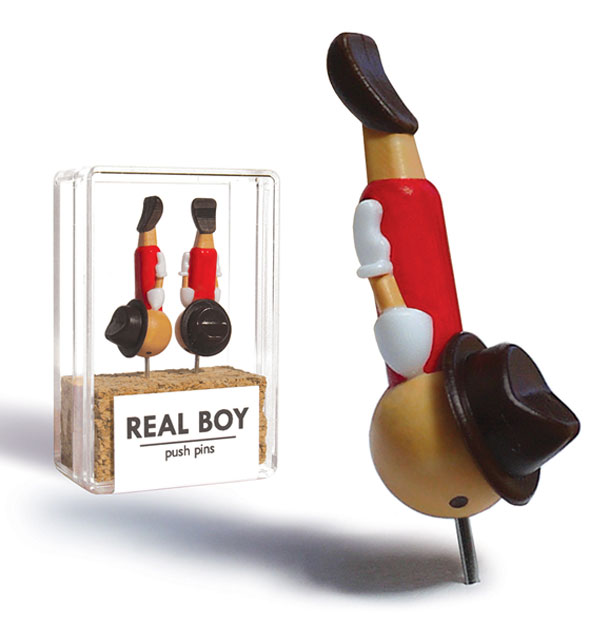
The concept was simple but effective.
A tiny mobile installation moved through public space, showcasing the product in a way that felt unexpected and playful. The scale matched the product, but more importantly, the idea matched the audience.
This activation worked because it:
- sparked curiosity instantly
- encouraged people to stop, look, and engage
- generated organic sharing and media attention
It turned a small product into a big story.
For brands
Ready to launch your pop-up?
Find and book your short-term retail space with Storefront.
Find a spaceWhy this approach works

This kind of pop-up sits closer to PR and brand storytelling than traditional retail.
It demonstrates that pop-ups can be used to:
- launch products in a memorable way
- create viral or shareable moments
- build brand awareness without relying on physical space
In many cases, the goal is not immediate sales, but long-term recognition.
Rethinking what a pop-up can be
Pop-up retail does not always need four walls.
Some activations are:
- experiential installations
- mobile concepts
- brand moments designed for content and conversation
The common thread is that they are temporary, creative, and designed to connect with an audience in a specific moment.
Inspiration for brands
This example is a reminder that constraints can lead to stronger ideas.
If traditional retail is not accessible or does not make sense for your product, a pop-up can still exist as a concept, not just a location.
The key question becomes: what will people remember?
From idea to execution
While not every brand will take such an unconventional route, the principle remains relevant.
Great pop-ups start with a strong idea. The space, format, and scale come second.
For brands looking to bring their ideas into physical environments, you can explore spaces globally on Storefront.
The most effective pop-ups are not defined by size or format, but by how memorable they are.

Written by
Adrien Kerbrat is Chief Revenue Officer and co-founder of Storefront. With more than 10 years in commercial real estate, he is an expert on the French market and short-term retail across Europe. Based in Bordeaux and often in Paris, he writes on pop-up strategy, retail location, and the French retail landscape.
More from Adrien Kerbrat →Related posts:
 Photo Flip: 13 Charming Shops For Rent in Le Marais for Lovers of Parisian Architecture
 Success Stories: Pop-Up Stores Turned Permanent Spaces
 3 Pop-Up Stores For The Senses
 Campus Pop-Ups: How Brands Use Pop-Up Stores to Reach Students and Build Engagement
 How to Use Plants in Your Pop-Up Store to Make it Pop