

Launching a pop-up store is an opportunity to do what traditional retail often cannot. It allows brands to experiment, surprise, and create experiences that customers do not expect. This element of the unexpected is what draws people in and builds long-term brand affinity.
The most effective pop-ups prioritise experience over immediate sales. Instead of focusing purely on products, they create moments that customers remember and share. If you are planning your own activation, exploring pop up shops for rent in New York, pop up shops for rent in London, or pop up shops for rent in Paris is a strong first step.
Why Surprise Matters in Pop-Up Retail
Pop-up stores thrive on novelty. By offering something unexpected, brands can stand out in competitive retail environments and create deeper emotional connections.
This approach is central to modern experiential retail strategies, where the focus shifts from selling products to creating immersive brand experiences.
1. Coach: Creating Experience Without Selling
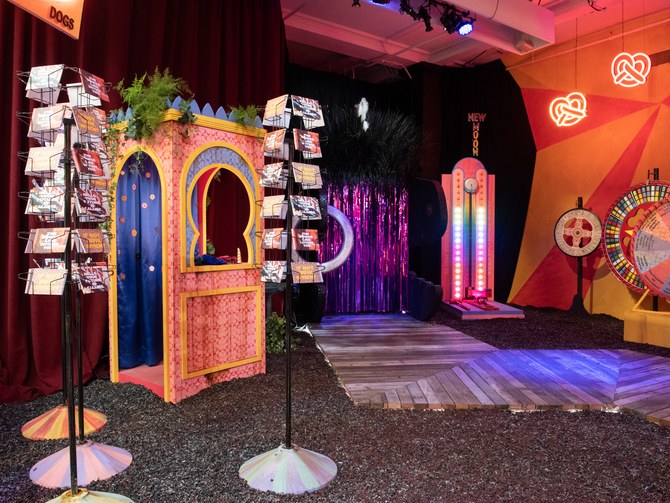
Coach launched a pop-up near its flagship in New York, not to sell products, but to explore its relationship with the city.
The space was designed as a series of immersive environments. Visitors could interact with installations inspired by urban culture, from graffiti-style spaces to themed rooms that encouraged creativity and self-expression.
Notably, there was no product on display. The focus was entirely on experience, reinforcing brand identity rather than driving immediate sales.
For brands considering similar activations, areas like pop up shops in SoHo New York offer strong visibility and cultural relevance.
2. Hermès: Blending Product and Culture
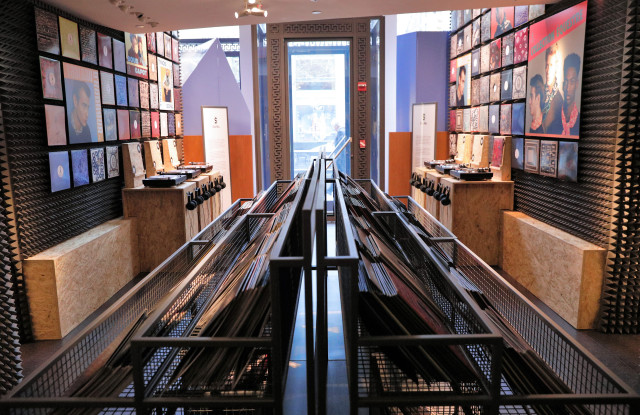
Hermès reimagined how to present its silk collections by combining them with music.
Instead of a traditional retail display, the brand created an interactive listening experience where silk scarves and ties were used to wrap vinyl records and cassettes. Customers engaged with the materials while discovering music, creating a sensory connection between product and experience.
This type of concept shows how brands can elevate physical retail by merging categories and creating meaning through design.
3. Google: Gamifying Product Discovery
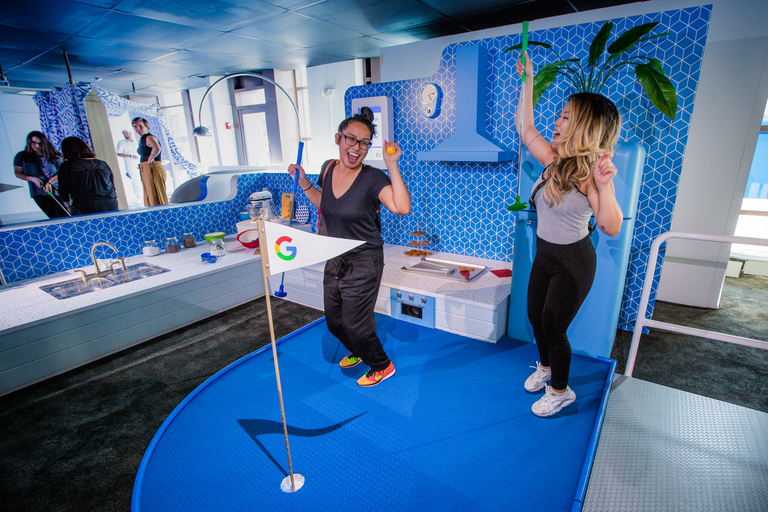
To showcase its smart home technology, Google created a mini golf experience in New York.
Each section of the course represented a different room in a home, demonstrating how its products could be used in everyday life. The experience was interactive, playful, and easy to understand.
Rather than relying on traditional product demonstrations, Google used entertainment to communicate value. This is a strong example of how brand activations can simplify complex offerings.
4. Guns N’ Roses: Building Community Through Nostalgia
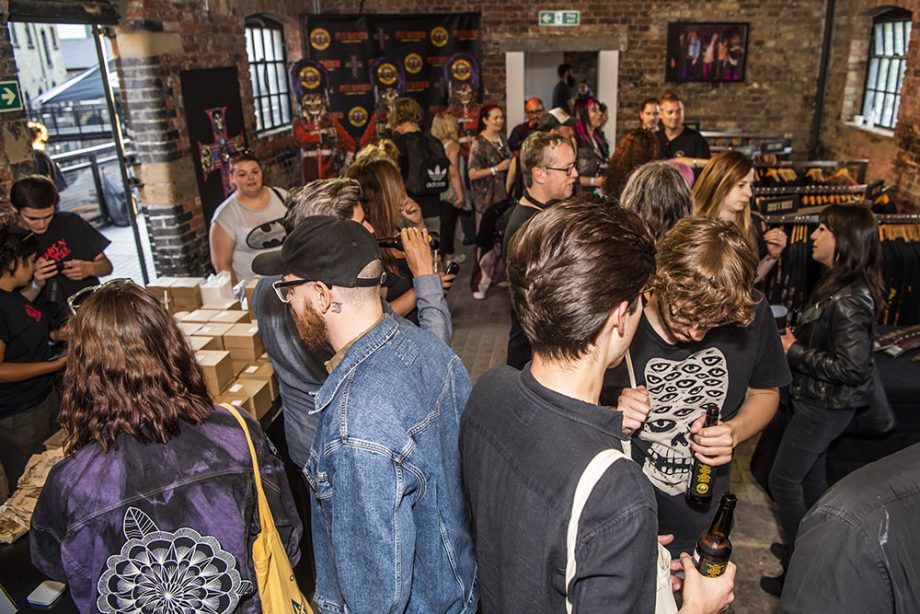
Music brands are increasingly using pop-ups to strengthen fan relationships. Guns N’ Roses created an experience focused on nostalgia and community rather than just merchandise sales.
The space featured archival concert footage, interactive elements such as tattoos, and themed food and drinks. Fans could connect, share memories, and engage with the brand in a deeper way.
This approach demonstrates how pop-ups can function as cultural hubs rather than retail stores.
For brands
Ready to launch your pop-up?
Find and book your short-term retail space with Storefront.
Find a space5. Nando’s: Turning Retail into a Cultural Platform
Nando’s transformed one of its restaurants into a temporary art gallery to highlight its South African heritage.
The space featured artists, workshops, and immersive content, shifting the focus from food to culture. While the restaurant remained operational, the experience centred on storytelling and brand values.
For brands exploring creative formats, this aligns closely with concepts such as pop-up art galleries and exhibitions.
6. Moët & Chandon: Selling a Lifestyle
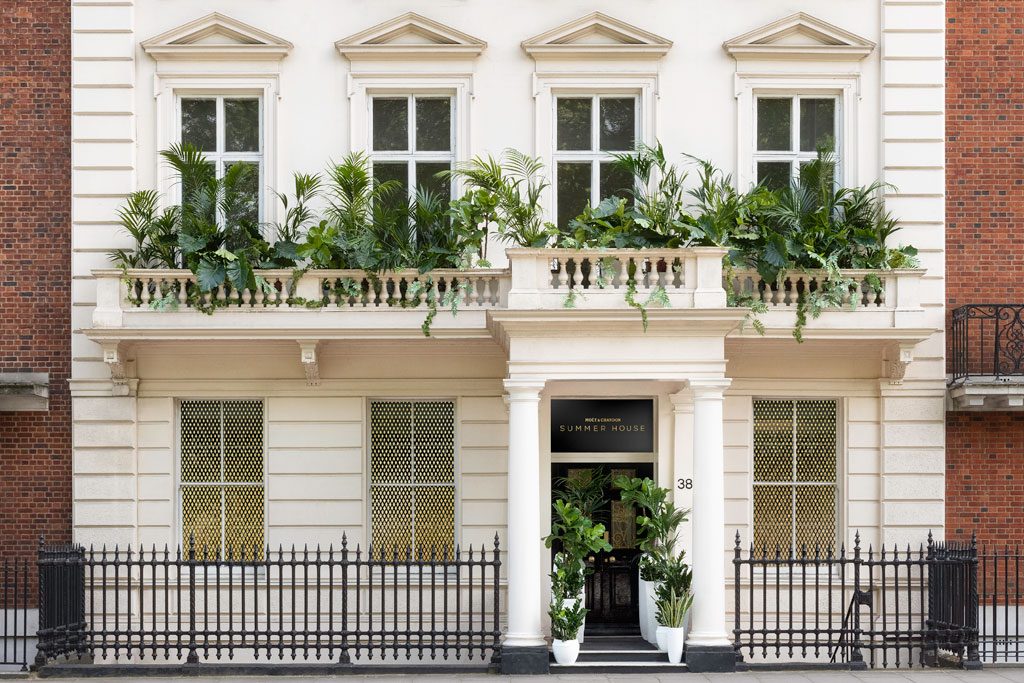
Moët & Chandon created exclusive pop-up experiences designed to reflect the lifestyle associated with its brand.
These private club-style activations included curated events, performances, and premium dining experiences. The product itself was only one part of a broader narrative centred on luxury and exclusivity.
This strategy reinforces the idea that successful pop-ups sell a lifestyle, not just a product.
7. Mundial: Creating a Social Destination
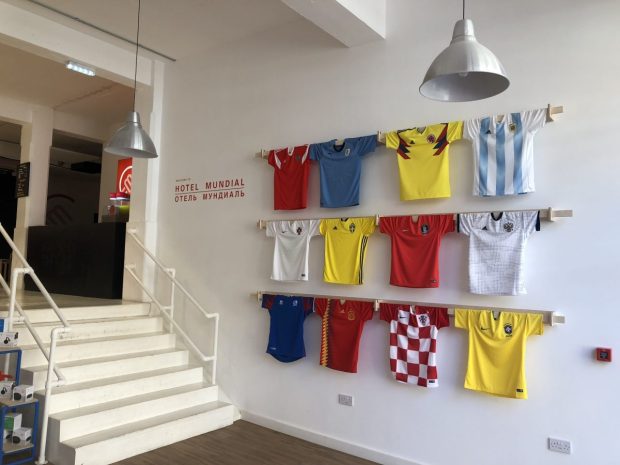
Mundial, a football and lifestyle magazine, created a pop-up space during a major international tournament.
The concept focused on community, offering live screenings, gaming, drinks, and merchandise. The space became a destination for fans to gather, interact, and celebrate shared interests.
This type of activation highlights the growing importance of social and experiential elements in retail.
How to Apply These Ideas to Your Own Pop-Up
Across all these examples, a few consistent themes emerge.
Experience comes before sales
Interactivity drives engagement
Storytelling builds brand connection
Whether you are launching in New York, London, Paris, or another market, the same principles apply. High-traffic areas such as pop up shops in Soho London or retail space in Le Marais Paris can amplify the impact of your concept.
Explore Pop-Up Store Opportunities by Industry
Different industries are using pop-ups in unique ways to engage audiences.
Fashion brands are leveraging temporary retail to launch collections and build cultural relevance, as explored in this guide to fashion pop-up shops.
Food and beverage brands are using sampling and immersive concepts to drive engagement, highlighted in this overview of food and beverage pop-ups.
Learn from Real Pop-Up Case Studies
Successful pop-ups often combine strong concepts with strategic execution.
Examples include
The Huda Beauty pop-up in Covent Garden which created a highly immersive customer experience
The Rossignol pop-up in Paris which reinforced premium positioning
The Moose Knuckles experiential pop-up which blended retail and brand storytelling
These examples demonstrate how different brands adapt pop-up strategies to their goals.
Why Brands Continue to Invest in Pop-Ups
Pop-up stores offer flexibility, speed, and the ability to test new ideas. They are also a powerful tool for building brand awareness and customer loyalty.
If you are considering launching your own, this guide on why to open a pop-up shop outlines the key strategic benefits.
For a complete overview of execution, read this guide to opening and running a pop-up store.
Final Thoughts
The most successful pop-up stores are those that embrace the unexpected. By focusing on experience, creativity, and customer engagement, brands can create moments that resonate far beyond the duration of the event.
Whether you are launching locally or internationally, the principles remain the same. Build something memorable, design for interaction, and use your space to tell a story.
For brands
Ready to launch your pop-up?
Find and book your short-term retail space with Storefront.
Find a space
Written by
Adrien Kerbrat is Chief Revenue Officer and co-founder of Storefront. With more than 10 years in commercial real estate, he is an expert on the French market and short-term retail across Europe. Based in Bordeaux and often in Paris, he writes on pop-up strategy, retail location, and the French retail landscape.
More from Adrien Kerbrat →Related posts:
 How Design Brand Resident Used a Pop-Up Showroom in New York to Introduce Its Furniture Collection
 Success Stories: Pop-Up Stores Turned Permanent Spaces
 3 Pop-Up Stores For The Senses
 Campus Pop-Ups: How Brands Use Pop-Up Stores to Reach Students and Build Engagement
 How to Use Plants in Your Pop-Up Store to Make it Pop