

Wynwood is the standard first physical address in Miami for a direct-to-consumer or streetwear brand, in the same way Nolita is in New York and Abbot Kinney is in Los Angeles. Taking space here is a positioning decision as much as a trading one, and the audience is used to short-run formats and does not read them as provisional.
The one thing to correct before you start: the cheap-warehouse framing is out of date. Rents have risen substantially as the district matured from artist studios to national brands, and the artists who created its identity have largely moved on. Wynwood is no longer the budget option in Miami. It is still cheaper than the Design District and Bal Harbour, and a brand arriving now is buying an established address rather than an emerging one.
See what is currently available across Wynwood.
Why the buildings are the way they are
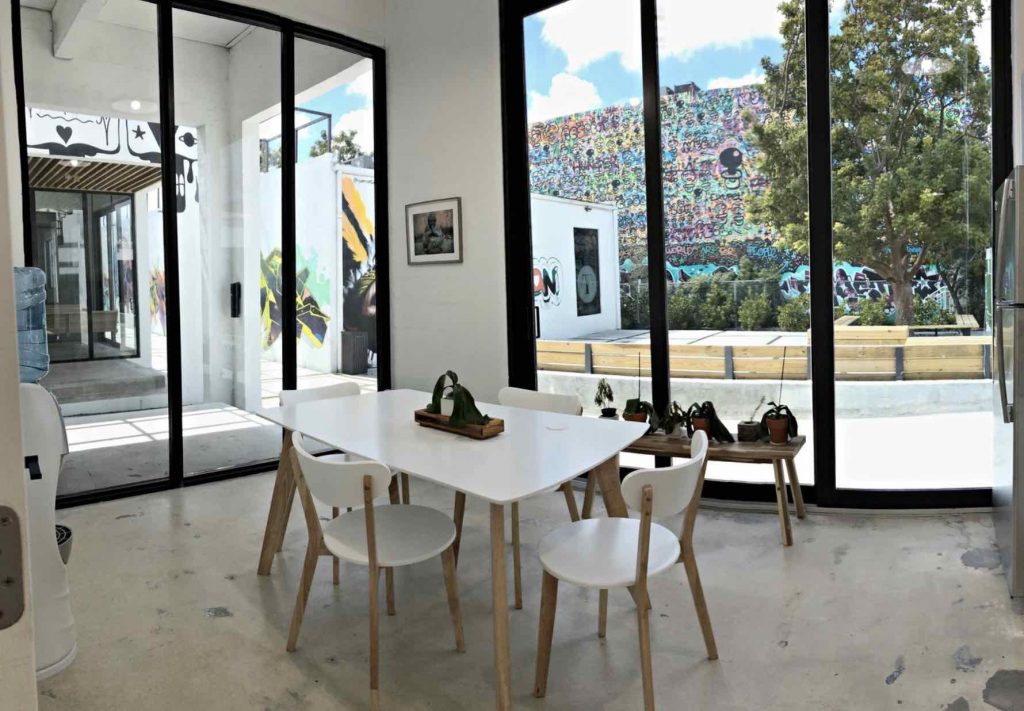
Through the mid to late twentieth century Wynwood was an enclave for Caribbean immigrants and home to Miami’s Garment District. From the early 2000s its neglected warehouses and shuttered factories were rehabilitated rather than demolished.
The building stock survived the change, and that is the whole commercial proposition. Large floor plates, high ceilings and roll-up doors. Across Miami the inventory splits between converted warehouses in Wynwood and Allapattah, purpose-built luxury frontage in the Design District and Bal Harbour, and street-level units beneath residential towers in Brickell and Edgewater. In the first of those, ceiling height and vehicle access are what you are actually buying.
If scale is the requirement, start with large warehouse space in Wynwood rather than the general retail listings.
The murals are a commercial asset, not decoration
Street art is what sparked Wynwood’s renaissance. The district dates its arts standing to the introduction of the Second Saturday Art Walk and the arrival of Art Basel in 2002, when artists took the windowless warehouse facades as canvases.
A mural wall beside a unit is a genuine commercial asset, because visitors come specifically to see it and photograph it. That is a real difference from a blank elevation two streets away, and it is worth asking about explicitly when you view a space rather than treating it as scenery.
NW 2nd Avenue, and where Wynwood stops
NW 2nd Avenue is the spine of the district and carries the densest run of galleries, stores and restaurants. It is the address a brand means when it says Wynwood. A unit on or just off it behaves quite differently from one on the wider through-roads at the edge.
North of the main gallery blocks the district runs into Wynwood Norte, which is more residential and industrial and has not been redeveloped in the same way. The transition is abrupt, and a few blocks north of the Walls is a materially different location. Marketing a unit up there as Wynwood is common and misleading: the footfall that makes Wynwood work does not reach that far north. Check the cross street, not the district name.
When Wynwood actually trades
Wynwood trades in the evening and at weekends far more than on weekday mornings. Its audience is visitors, diners and drinkers rather than office workers or residents, so opening hours should be built around late afternoons and nights. A space here staffed for a nine to five retail week is staffed for the wrong hours.
Two dates carry more weight than the rest of the calendar.
| Window | When | What it does |
|---|---|---|
| Second Saturday Art Walk | Monthly | Galleries and shops open late and the streets fill. It is the most reliable recurring footfall spike in the neighborhood and a natural date to open a temporary space on. |
| Miami Art Week | December | The fair itself is on Miami Beach, but the satellite fairs, gallery openings and brand activations site themselves where the audience already walks, which puts temporary retail into Wynwood and the Design District rather than onto the beach. |
Our guide to what Art Basel Miami actually is covers the week in full, and the neighborhood comparison for Art Basel showrooms sets Wynwood against the alternatives.
Parking is the practical constraint. Wynwood parking is a mix of surface lots and metered street spaces, and it fills on event nights, particularly the monthly art walk. Anything drawing a crowd should plan for arrival by rideshare rather than assume customers will park nearby. Most of Miami is reached by car and parking governs where people will go, and Wynwood is not one of the few genuinely walkable districts once you arrive.
Space by format
The district lists the same pool of buildings across several use cases, so start from what the room needs to do rather than from the label.
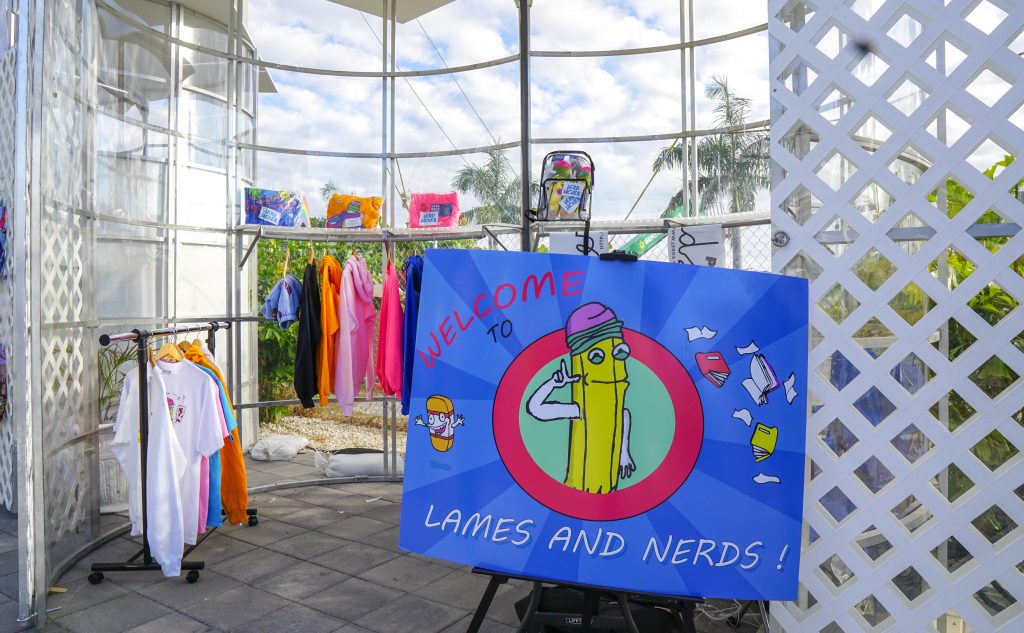
- Retail and pop-up. The core use, and what most brands come for. See retail and pop-up space in Wynwood.
- Galleries and exhibitions. The district’s original trade and still a strong one, with an audience that arrives expecting to look at things. See art and gallery space in Wynwood, or studio space in Wynwood if you want a working room rather than a white wall.
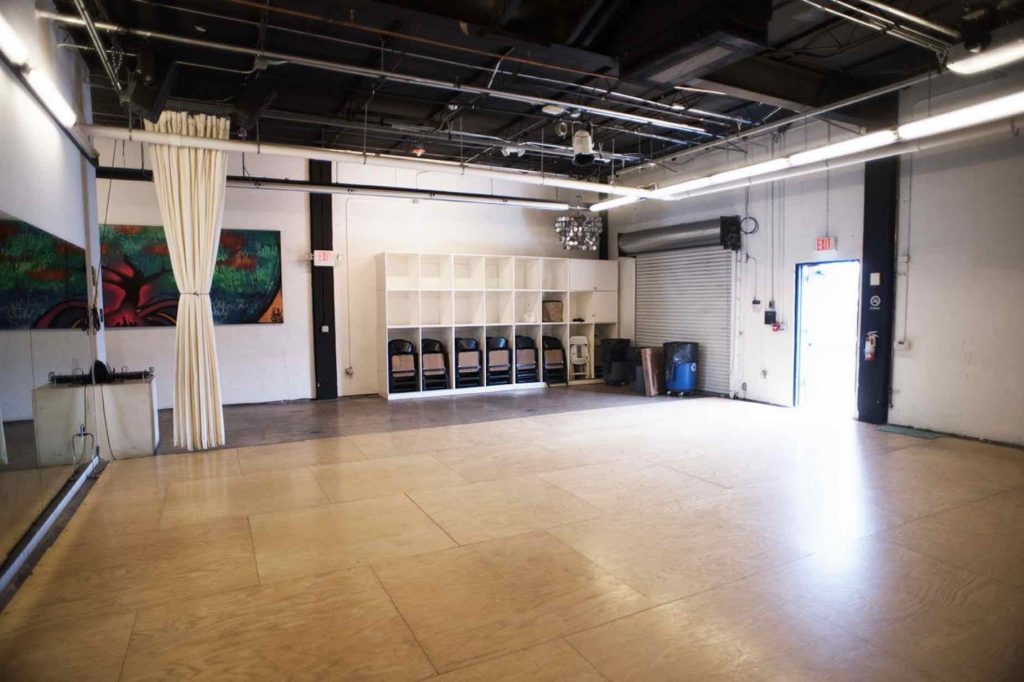
- Events and venues. The warehouses take crowds that a conventional shop unit could not, and the evening economy means the audience is already out. See event space in Wynwood.
- Showrooms. Appointment-led formats do not need the footfall, and the address does real work during art week. See showroom space in Wynwood.
- Office and coworking. An unusual strength here, because the same converted floors suit working space as easily as retail. See short-term office space in Wynwood.
- Food and drink. The district runs on eating and drinking after dark, so a food format trades with the neighborhood rather than against it. See food space in Wynwood.
The BID is the shortcut
Wynwood has a Business Improvement District, a municipal board of the City of Miami representing more than 400 property owners across a 50-block arts district. That gives the neighborhood a single organized counterpart for events and street activity, which is unusual in Miami.
It also knows the vacancies. As in New York, approaching the BID is a more direct route to short-term space than watching listings, and it is the right first call for anything that will spill onto the sidewalk or close a street.
Wynwood compared with its neighbors
- The Design District. A few blocks north east and a completely different market: more than 200 global luxury brands in purpose-built low-rise architecture, developed and let by a single partnership. Availability is genuinely scarce rather than merely expensive, and a brand is being selected as much as it is renting. See the Design District, and the Design District guide for how its single-landlord model works.
- Allapattah. West of Wynwood, and where a project goes when Wynwood is too expensive. The largest and cheapest warehouse floor plates within reach of central Miami, which is why the museums and large-format experiential venues went there. Almost no pedestrian footfall, so it works for invited, ticketed or destination audiences only. See space in Allapattah.
- Little Haiti. One of the more affordable places in inner Miami to take ground-floor space, with a working retail mix built around food, music and community businesses. It suits a project bringing its own audience. Worth knowing that its boundaries are contested locally and parts have been marketed under other names, so use the neighborhood’s own name in anything you publish. See space in Little Haiti.
- Little River and Wynwood Norte. Where the studio and gallery population moved as Wynwood rents rose. Cheap warehouse floor area with roller doors and yards, the same combination that made early Wynwood work. Both sit just outside the Wynwood boundary, so search the surrounding districts rather than the neighborhood name.
- Edgewater and Midtown Miami. Both sit between Wynwood and the Design District and absorb traffic moving between them, particularly during art week. Neither has a destination draw of its own. See space in Edgewater.
Two practical things
Wynwood is in the City of Miami. That matters, because Miami is several cities rather than one and the difference decides which rules apply. Wynwood, the Design District, Little Haiti, Allapattah, Downtown, Brickell, Edgewater and Coconut Grove are all City of Miami. South Beach and Mid Beach are the City of Miami Beach, Bal Harbour is its own village and Coral Gables its own city. Permits, Certificate of Use and Business Tax Receipt follow the process of whichever one you are in.
Miami operates in Spanish as much as in English. In parts of the city Spanish is the working language of retail, and signage, staffing and customer service in Spanish are a practical requirement rather than a courtesy. That is most true inland, in Little Havana and Allapattah, and it is worth planning for rather than discovering.
Common questions
Is Wynwood still cheap?
No, and that is the most common out-of-date assumption about the district. Rents have risen substantially as it matured from artist studios to national brands. It remains cheaper than the Design District and Bal Harbour, but it is not the budget option in Miami. Allapattah, Little Haiti and Little River are where the cheap warehouse space went.
What is the best day to open in Wynwood?
The second Saturday of the month. The Second Saturday Art Walk is the most reliable recurring footfall spike in the neighborhood, galleries and shops open late, and the streets fill. In December, Miami Art Week is the bigger window.
Where exactly is Wynwood, and where does it end?
NW 2nd Avenue is the spine and the heart of it. North of the main gallery blocks it becomes Wynwood Norte, which is residential and industrial and does not carry the same footfall despite often being marketed under the same name. Check the cross street.
Is Wynwood good for an event or a launch?
It is one of the better options in Miami. The converted warehouses take crowds that a shop unit could not, the evening economy means the audience is already out, and the district is used to temporary formats. See event space in Wynwood.
Can you get office or coworking space in Wynwood?
Yes, and more easily than most people expect, because the same converted floors that suit retail suit working space. See short-term office space in Wynwood.
Do I need to speak Spanish?
For Wynwood specifically, less than elsewhere in Miami, because its audience is heavily visitor-weighted. Across the wider city Spanish is the working language of retail in many neighborhoods, so plan for bilingual signage and staffing if you are taking space inland.
Where to look next
Browse retail space in Wynwood, event space, galleries or large warehouse space across Miami.
The rest of the city is covered guide by guide: South Beach, Downtown Miami, Brickell and Coconut Grove.
For the wider city, see everything we list in Miami and Miami retail space. If you are coming for the December week, start with what Art Basel Miami is and the neighborhood comparison.
For the equivalent district in New York, our Nolita guide covers the same kind of first-store decision on the other coast.

Written by
Adrien Kerbrat is Chief Revenue Officer and co-founder of Storefront. With more than 10 years in commercial real estate, he is an expert on the French market and short-term retail across Europe. Based in Bordeaux and often in Paris, he writes on pop-up strategy, retail location, and the French retail landscape.
More from Adrien Kerbrat →Related posts:
 Pop Up Shops in Chicago: The Complete Guide to Opening a Temporary Retail Space
 The Ultimate Guide to Launching a Successful Pop-Up Shop in Dubai
 How to Start a Pop-Up Shop in London: The Complete Guide
 How to Open Your First Pop-Up Shop in New York
 Downtown LA Guide: Event, Office and Warehouse Space