


Why brands choose basement retail space in London
Basement retail is not a compromise. For the right brand, a lower-ground unit is a deliberate positioning choice: a hidden-gem location creates a sense of discovery that a high-street frontage rarely delivers. Customers who find you have made an effort, and that self-selection shapes the experience before they step inside.
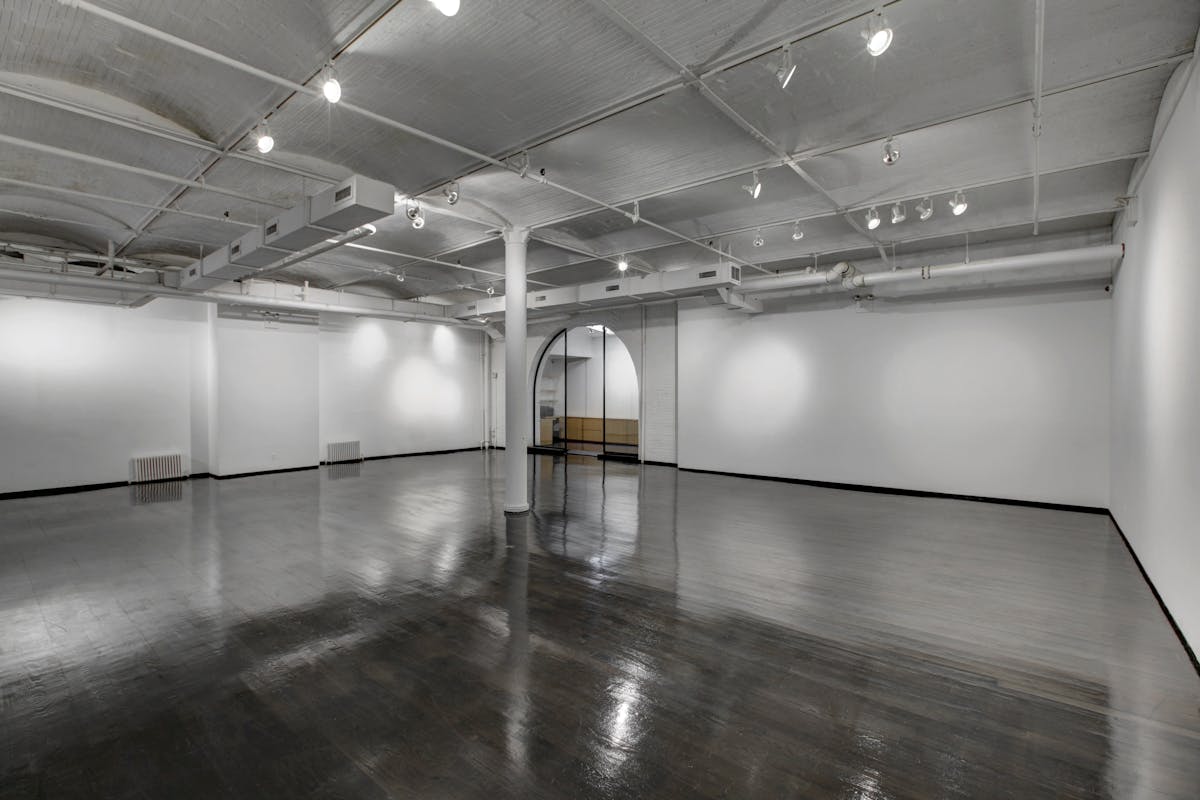
London's Victorian and Georgian building stock means that many of the city's most characterful retail units sit one floor below street level. Former vaults, converted warehouse basements and lower-ground Georgian rooms carry architectural details that a standard shopfront does not. That character is a creative brief in itself.
Basement spaces also tend to offer larger footprints than equivalent ground-floor units in the same building or street, which matters for brands that need room to build an installation, stage a collection or run a workshop alongside a retail offer.
For a curated, independent or niche brand, a basement rental London brands choose deliberately will often generate stronger word-of-mouth than a visible frontage, because the discovery becomes part of the story.
Where to look for basement retail space in London
Demand for basement and lower-ground retail is highest where the building stock is densest and most varied.
-
Shoreditch is the highest-demand short-term retail district in London. Its former warehouse and light-industrial buildings supply wide, raw interiors and ground-floor units with substantial basement levels beneath, taken by brand activations and independent labels.
-
Soho has narrow frontages and tight streets above ground, but its basement levels often open into wider, more atmospheric spaces suited to intimate retail, small events and characterful brand presentations.
-
Covent Garden and Seven Dials offer lower-ground units inside a managed estate with very high visitor flow, where basement space can carry a curated, exclusive feel within a busy pedestrianised quarter.
-
Notting Hill basements sit beneath affluent residential streets, with a strong weekend visitor draw and a wealthy local catchment concentrated around Portobello Road and Westbourne Grove.
-
Brick Lane and Spitalfields carry small, independently run units, including basement and vault-format spaces, at lower price points than the West End, with trade concentrated heavily at weekends.
For a broader view of available units across the city, see retail space in London.
Practical considerations for basement retail
Choosing lower-ground space means thinking through a small number of questions before you book.
Lighting. Basement units rarely have natural daylight at the level of the selling floor. Flexible, well-designed artificial lighting is not an optional extra; it defines the atmosphere and the customer's experience of the product. Most basement listings on Storefront describe the existing lighting rig, and many landlords are open to temporary additions.
Customer discovery. A pavement-level sign, A-board or window display is the primary route to street discovery for a basement space. Confirm with the landlord what external signage is permitted. In conservation areas and listed buildings, consent may be needed for anything beyond the existing fascia, so check the building's status before committing to a signage design.
Access and egress. A lower-ground unit must meet fire safety requirements, and the landlord is responsible for ensuring the space is compliant. Confirm the number and location of exits before booking, particularly for event formats where customer numbers may be higher than a standard retail visit.
Deliveries. Stocking a basement requires carrying goods down stairs or through a goods lift. For fit-out and regular restocking, check whether the building has a rear access point and how deliveries are typically handled. London's Congestion Charge zone and Ultra Low Emission Zone apply to delivery vehicles across the centre and beyond, so factor both into logistics planning.
When basement retail space in London is busiest
Demand for short-term basement retail space rental in London follows the same peaks as short-term retail in general: the run-up to Christmas, London Fashion Week in February and September, the London Design Festival in September, and Frieze London in October.
August is the quietest month for central London retail, when office populations thin out and residents leave. For a basement space in a residential district such as Notting Hill or Hackney, however, August carries strong footfall from visitors and from those who remain in the city.
The back-to-school period in early September and the return of residents to neighbourhood high streets makes late August and early September a productive window for a basement retail pop-up outside the centre.
For the West End's largest retail street, see the Oxford Street page for ground-floor and upper-level alternatives if basement format does not suit your campaign.
For context on what a pop-up shop rental involves more broadly, the Pop Up Store Rental guide covers the formats, durations and logistics that apply across all space types.
FAQ
What is basement retail space?
Basement retail space is a selling or brand environment located one or more floors below street level, typically in the lower-ground or sub-basement of a commercial building. In London, these spaces often occupy former vaults, converted warehouses or lower-ground Georgian and Victorian rooms, and are rented on short-term or longer-term arrangements.
How does basement retail space rental in London work?
You browse listings, enquire with your dates and intended use, and communicate directly with the space owner to agree the details. Once both parties confirm, the booking is secured on the platform. Rates, deposits and any additional terms are set by the individual landlord and vary by space and duration.
What sizes of basement retail space are available in London?
Sizes vary considerably across the city. Soho and Mayfair basements tend to be compact and intimate. Shoreditch warehouse basements can be significantly larger, with open floorplates suited to installations or multi-zone retail. The listings above show the square footage of each space, so you can filter by the footprint your format requires.
Can I use a basement space for events as well as retail?
Many basement spaces listed on Storefront are suitable for basement retail space for events in London, including private launches, press previews and brand activations. Confirm with the landlord that the space's fire exits, capacity and permitted uses cover your event format before booking.
What should I check before booking a basement retail space?
Confirm the lighting setup, external signage options, delivery access, fire exit count, and whether the building sits within a conservation area or is listed. Each of these affects what you can do to the space during your let, and it is worth establishing all of them before you agree terms.


