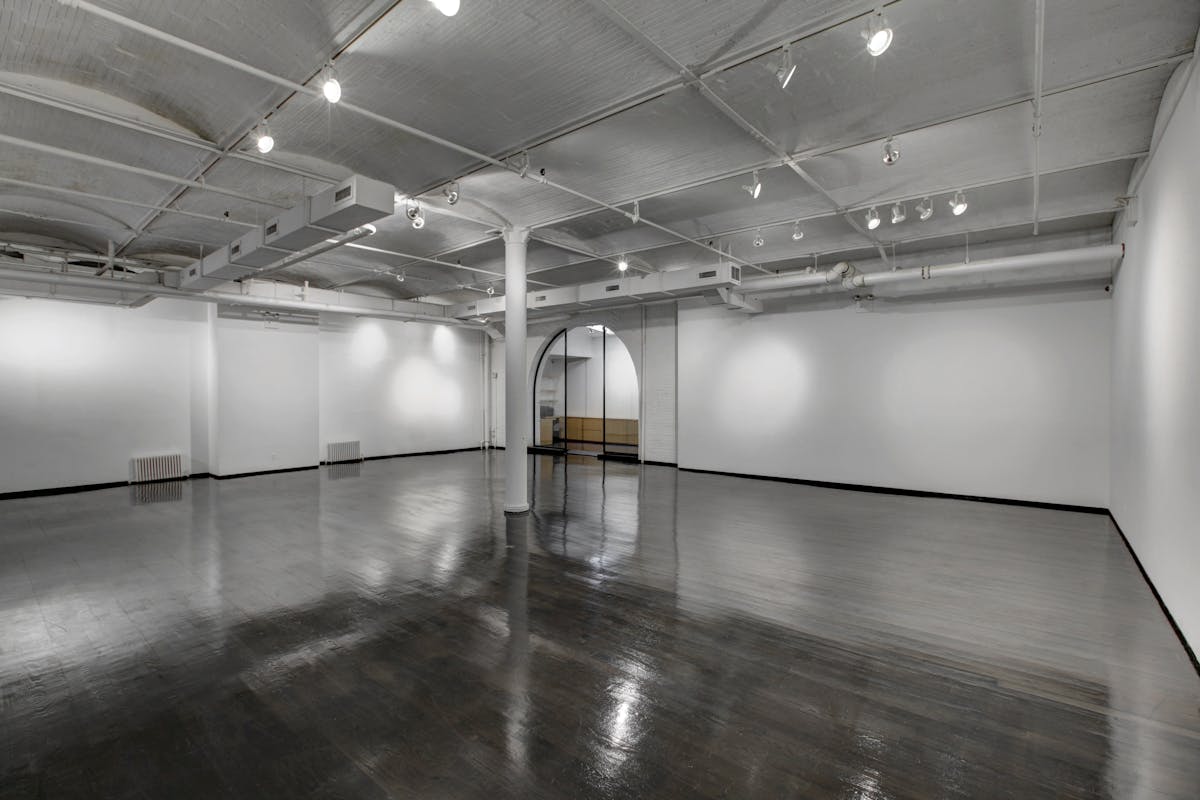
A basement retail space is a deliberate format choice, not a fallback. Below street level, you gain full control over light design, acoustics and temperature, which makes the format well suited to gallery openings, fashion pop-ups, tasting events and product launches where atmosphere matters as much as product.
Privacy is a structural advantage. A basement rental separates your activation from the noise of the pavement, which works particularly well for luxury previews, sample sales and brand presentations where a curated guest list is part of the concept.
For temporary retail and short-term testing, basement space tends to sit at a lower rate than equivalent street-level square footage in the same district. The city-wide daily range for retail space starts from €250 and runs to €400 for the lower half of the market, with weekly rates from €1,225 to €2,444 for most listings. Monthly availability typically starts from €3,500. Rates vary by arrondissement, exclusivity and event timing, so a basement in the Marais will be priced differently from one in the 13th or the 15th.
Final rates depend on duration, exclusivity, and event timing. Pricing shown reflects typical asking ranges for spaces in the area; final booking terms are negotiated directly with the host.
Paris Neighborhoods for Basement Retail
The arrondissement shapes what a basement space can do. A few areas stand out for the type of activities basement retail supports.
-
Le Marais (3rd and 4th arrondissements): The upper Marais around Rue de Turenne and Rue des Archives is the densest part of the district for independent fashion boutiques and concept stores. Basement units here sit directly beneath active ground-floor retail, which means strong foot referral from street level. The 4th sits in a designated tourist zone where Sunday trading is permitted, which is unusual in Paris and a genuine commercial advantage.
-
Saint-Germain-des-Prés (6th arrondissement): The Left Bank mixes established fashion, art galleries and design showrooms. Basement formats suit the more private, appointment-driven register of this area.
-
The Latin Quarter (5th arrondissement): Universities, bookshops and a high concentration of cultural activity make basement gallery and retail formats a natural fit, particularly around Rue Mouffetard and the surrounding streets.
-
Sentier and Étienne Marcel (2nd arrondissement): The historic center of the Paris garment trade remains associated with showroom activity. Basement wholesale and showroom space is common in this area.
For a broader view of what is available across the city, see retail space in Paris or browse the full Pop-Up Store Rental project for context on how brands use short-term space.
Use Cases for Basement Retail Space
The basement format serves a specific set of activations well.
-
Pop-up fashion: Controlled lighting and a contained floor plan let a brand dress a basement space entirely to concept. A rail of pieces reads differently underground than it does in a glazed street-level unit, and that difference is something fashion brands actively seek.
-
Gallery and art events: Paris basement spaces in older buildings often carry raw stone or exposed brick, which gives an art installation an atmospheric setting that purpose-built gallery space lacks.
-
Private events and tastings: The separation from street noise makes a basement retail space suitable for wine tastings, brand dinners and product presentations where sound control matters.
-
Sample sales: A basement rental is a contained, controllable environment for a sample sale. Footfall can be managed by staircase capacity, and the space can be dressed and cleared quickly.
For inspiration on how Paris brands use short-term spaces across formats, the Le Marais Pop-Up Shops and Showrooms Guide: Where to Launch in Paris and the Pigalle Neighborhood Guide: Pop-Up Shops, Showrooms and Creative Spaces cover two of the city's most active districts in detail.
FAQ
What makes a basement retail space different from a standard retail unit?
A basement retail space sits below street level, which means you control the lighting environment entirely rather than relying on natural daylight. That is an advantage for brands that want to set a specific atmosphere, from fashion presentations to gallery events. The tradeoff is that foot traffic from the pavement does not flow in by default, so the format works best when the guest list is managed or the activation is destination-led.
Is basement retail space in Paris suitable for pop-up shops?
Yes. A basement pop-up rental in Paris is a well-established format, particularly for fashion, beauty and design brands. The space allows full set-dressing without the constraints of a shop window, and the contained footprint suits brands testing a concept before committing to a longer-term location. Short-term basement retail space for rent in Paris is available by the day, week or month.
How much does it cost to rent a basement retail space in Paris?
City-wide, daily rates for retail space start from €250 and the lower half of the market runs to €400 per day. Weekly, that range is €1,225 to €2,444 for most listings. Monthly availability typically starts from €3,500. Basement units may sit at different points within those ranges depending on the arrondissement and the condition of the space. Final rates are agreed directly with the host.
Can I use a basement retail space for events in Paris?
Basement retail space for events in Paris is a common use case. Gallery openings, brand presentations, tasting evenings and private sales all work well in a basement format because the separation from street level gives sound and atmosphere control that is harder to achieve at ground floor. Confirm with the host that the space meets the access and capacity requirements for your planned event before booking.
Which arrondissements have the most basement retail space for rental in Paris?
The Marais, spanning the 3rd and 4th arrondissements, has a high density of older buildings with basement units, many of which appear in short-term rental. Saint-Germain-des-Prés in the 6th and the Latin Quarter in the 5th also carry basement space suited to gallery and showroom use. Sentier in the 2nd has a long tradition of basement showroom activity linked to the garment trade.