


What Is Cheap Commercial Property in London?
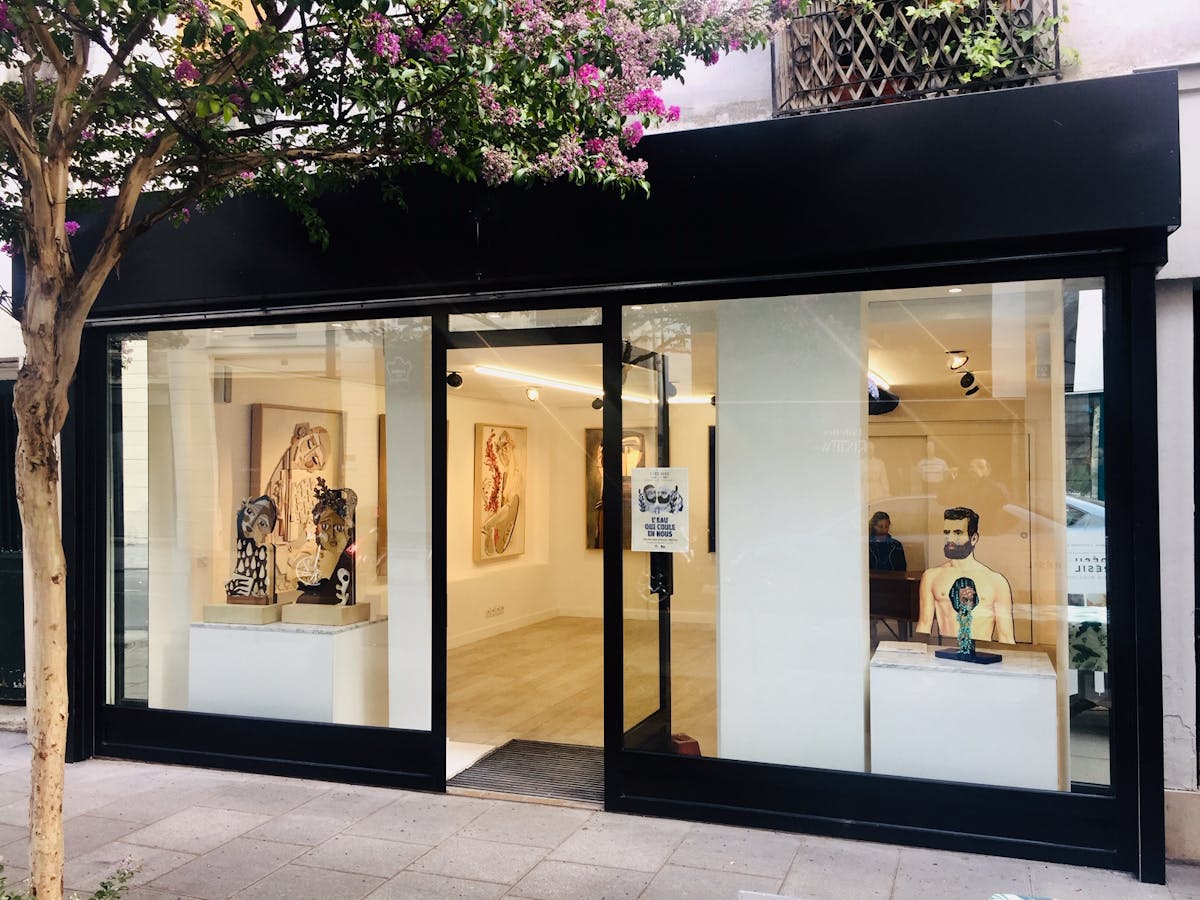
Cheap commercial property rental in London means space you can occupy on flexible terms at a lower commitment than a conventional lease. That covers ground-floor retail units on side streets, studio spaces in converted warehouses, market pitches in covered halls, and short-term spaces in managed estates. The common thread is flexibility: shorter terms, lower upfront costs, and the ability to move when your plans change.
For most businesses looking at cheap commercial property for rent in London, the real saving is not just on the headline rate. It is on the absence of solicitor fees, dilapidations surveys, and the six-to-twelve month security deposits that come with a standard commercial lease. A short-term rental on Storefront means you agree a rate directly with the space owner, confirm on the platform, and hold a deposit set by that owner for that space.
Why London's Geography Makes Cheap Possible
London's commercial property market splits sharply between a small number of flagship streets and a very large number of secondary ones. The flagship streets, Oxford Street, Regent Street, Bond Street and Sloane Street, carry the highest demand and prices to match. Everything around them does not.
That gap is where affordable commercial property in London becomes available. A unit one street back from a major retail corridor can sit in the same postcode, share the same transport connections, and draw from the same passing population, at a fraction of the cost. The sourced facts about London's neighbourhoods make this pattern consistent across the city:
-
East London (Shoreditch, Hackney, Brick Lane, Old Street): former warehouse and industrial stock gives wide ground-floor frontage and raw interiors. The customer skews young and the area trades hardest at weekends. This is one of the most-searched areas for small commercial property for rent in London.
-
South London (Battersea, Borough, Northcote Road): residential and market-led, with unit sizes and terms suited to independent brands testing a new location.
-
West London (Notting Hill, Fulham, Portobello Road): affluent residential catchments with weekend visitor draw and independent-leaning tenant mixes on streets away from the main corridors.
-
North London (Camden, Dalston, Hampstead): Camden is market-led with very high visitor numbers and small-unit independent retail; Dalston trades on a younger, nightlife-led customer along Kingsland Road.
-
Central London (Soho, Fitzrovia, Covent Garden, Seven Dials): side streets and managed estates offer compact units at lower rates than the flagship runs, with the same central postcode.
Leasing Considerations for Budget Commercial Space
Before committing to affordable commercial property in London, a few practical points are worth confirming with the space owner.
Use class. Since the use classes reform in England, shops, offices, cafes, gyms and most other town-centre uses sit in a single category called Class E. Switching between those uses inside a building does not require a planning application, which is why the range of spaces available for short-term rental is much wider than shopfronts alone. A former bank, office or restaurant unit can become a pop-up shop without any planning process.
Sunday trading. A small shop, meaning one of up to 280 square metres, can open any day or hour. Larger units face a six-hour Sunday restriction. Most temporary retail units fall under the threshold.
Business rates. Business rates are charged on the property, not the trade. Small business rate relief removes the charge entirely below a rateable value threshold. Many of the smaller units suited to budget commercial use qualify. The rateable value of every commercial property in England is publicly searchable via the Valuation Office Agency.
Congestion and emissions charges. Central London sits inside the Congestion Charge zone (weekdays and weekends during operating hours) and the Ultra Low Emission Zone covers all London boroughs, every day. Both affect fit-out deliveries and van access, and are worth factoring into your move-in plan.
Signage. In conservation areas and on listed buildings, external signage may need consent. A large share of central London commercial stock sits in listed buildings or conservation areas, so check before committing to a branded frontage.
Seasonal Demand for Cheap Commercial Property Rental in London
Demand for short-term space in London moves with the calendar. Budget spaces book faster in certain windows, so early enquiry pays.
Peak periods include the run-up to Christmas, the fashion weeks in February and September, and the autumn art and design festivals including Frieze London (October) and the London Design Festival (September). August is the quietest month for much of the city, when office footfall drops and residents leave, which can make it an easier window to secure space at shorter notice.
Black Friday, now adopted firmly by British retail, marks the start of the Christmas trading run. Boxing Day, on 26 December, opens the winter sale period and is one of the highest-footfall trading days of the year, with no US equivalent. January follows as a heavily promotional month.
For brands targeting a residential rather than a visitor catchment, the school calendar matters too. The English school year starts in early September after a six-week summer break, so late August carries back-to-school trade and the first weeks of September see residents return to neighbourhood high streets.
FAQ
What counts as cheap commercial property in London?
Cheap commercial property in London generally means a short-term or flexible-term space where you avoid the upfront costs of a conventional lease: solicitor fees, long deposit periods and multi-year commitments. In practice it covers side-street retail units, studio spaces in converted buildings, market pitches and short-let spaces in managed estates. The defining characteristic is lower financial commitment rather than a fixed price threshold.
Which areas of London offer the most affordable commercial property?
East London, particularly Shoreditch, Hackney, Brick Lane and Dalston, is consistently searched for budget commercial space and offers a wide range of former industrial and warehouse units. South London neighbourhoods such as Battersea and Borough, and north London options around Camden and Dalston, also carry lower rates than the West End flagship streets. Within central London, side streets in Soho, Fitzrovia and Covent Garden offer smaller units at lower rates than the main retail corridors nearby.
Can I rent cheap commercial property in London for just a few days?
Yes. Storefront listings are available by the day, week or month. Short-duration bookings suit product launches, seasonal pop-up shops, press days and brand activations. The rate and minimum term are set by the space owner and shown on the listing.
What is the difference between a lease and a licence for cheap commercial space?
A short commercial letting in England is normally granted outside the security of tenure provisions of the Landlord and Tenant Act 1954, which prevents a temporary tenant acquiring a right to renew. A licence to occupy is the lighter alternative used for very short pop-ups. For a budget commercial space, a licence is common for terms of a few weeks or less. Your booking confirmation will specify which applies.
Do I need planning permission to use a commercial unit as a pop-up shop?
In most cases, no. Since the use classes reform in England, shops, offices, cafes and most other town-centre uses sit within Class E. Moving between those uses inside that class does not require a planning application. Separately, land in England may be used for any purpose for up to 28 days in a calendar year without planning permission as permitted development. Most short-term retail bookings fall within these frameworks, but requirements vary and are worth confirming with the space owner before booking.
For a broader search across the city, browse London spaces or explore Soho for compact central units. For context on what to expect when insuring a short-term space, see Insurance for Pop-Up Shops in London: Key Types of Cover and What to Know. If you are looking at a specific format, Retail Space For Rent covers the broader category, and loft spaces in London is worth browsing if you want the warehouse-style interiors common in east London.


