



Why rent commercial space on Portobello Road?
Portobello Road is shaped entirely by its market. The antiques and vintage market, the best-known in London, trades hardest on Saturdays and draws a mix of serious collectors, design-conscious visitors and curious tourists along the full length of the street. That Saturday crowd is the foot-traffic engine for every permanent and temporary space nearby, and it arrives reliably, week after week.
Compared with Soho, Covent Garden or Mayfair, short-term space in Notting Hill and around Portobello Road represents genuine value. Units here are small, narrow and set in stucco-fronted Victorian terraces, which keeps the cost of occupancy down. The trade-off is that the look of the building is the asset: conservation area restrictions mean frontages cannot be substantially altered, so brands work with the existing shopfront rather than rebranding it. For vintage dealers, independent labels and brands that want a neighbourhood feel rather than a corporate finish, that constraint is often an advantage.
The postcode covering this area is W11, and the district sits within walking distance of several stations including Notting Hill Gate, which ranks among the hundred busiest stations in London by annual entries and exits, a reliable signal of the through-traffic a ground-floor unit here can expect.
What kind of space can you find here?
The stock around Portobello Road and Notting Hill is varied and genuinely suited to short-term occupation.
-
Pop-up retail is the most common format: a single-frontage ground-floor unit taken for a Saturday, a long weekend, or several weeks around a seasonal peak.
-
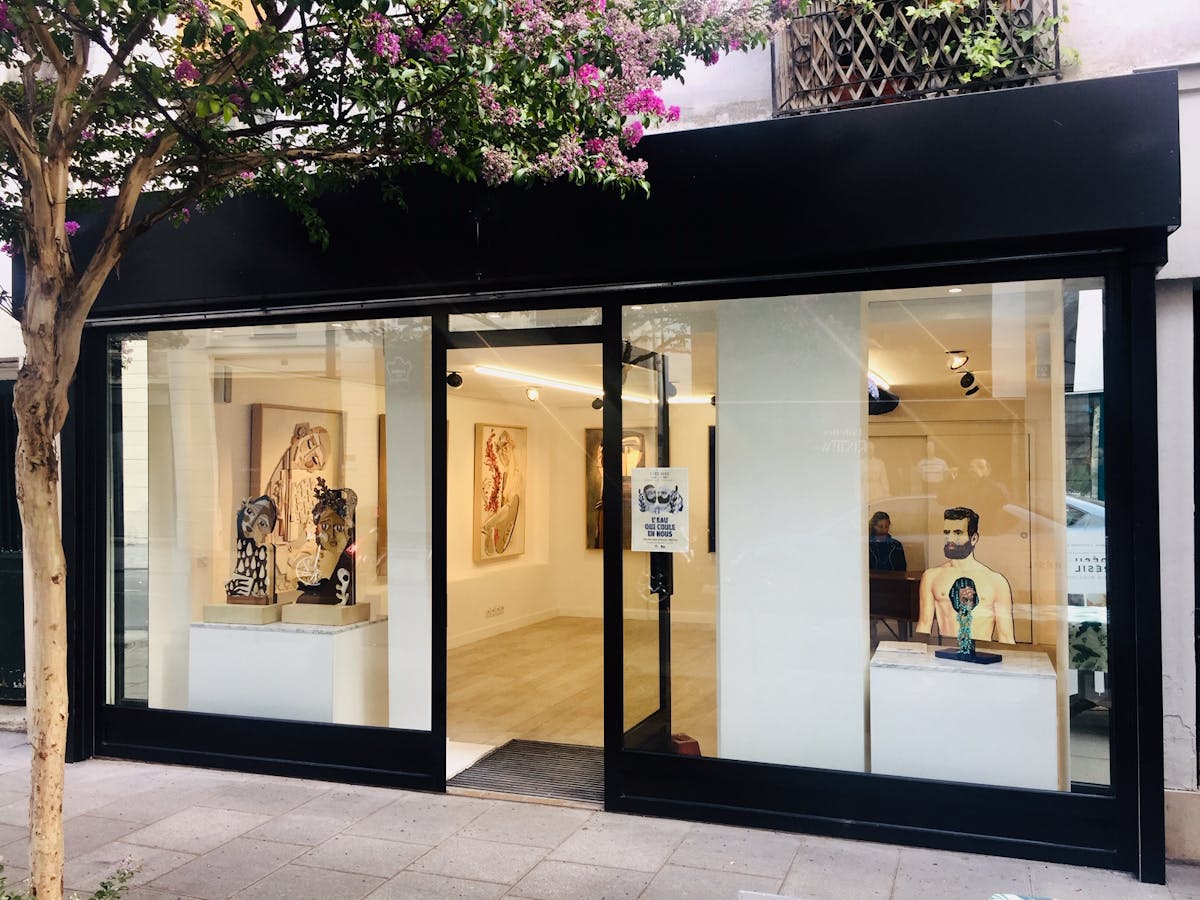
Gallery and exhibition space suits the area well. A Class E building can switch to gallery or exhibition use for a continuous period without a planning application, which gives a longer runway for brand exhibitions or art shows.
-
Market-adjacent pitches on Portobello Road itself give direct access to the Saturday crowd; stall and short-let programmes run alongside the permanent tenants.
-
Showroom hire on Westbourne Grove and Ledbury Road targets the design-led resident catchment, small units taken by independent labels and homeware brands looking for a quieter trading environment than the market street itself.
The road changes character along its length: antiques at the southern end, produce and general market trade in the middle, and a Moroccan and Portuguese food and antiques trade around Golborne Road at the northern end, where rents are noticeably lower. A brand whose budget is tightest should look north; a brand that needs the Saturday antiques crowd should look south.
When does Portobello Road trade hardest?
Saturday is the dominant trading day, and the gap between it and the rest of the week is wider here than almost anywhere else in London. The full antiques market draws crowds along the whole run of the street; midweek the same stretch is a quiet residential parade. A short let that does not include Saturdays is a materially different proposition.
Demand for short-term space in London peaks around the fashion weeks in February and September, through the Christmas run-up, and around the autumn design and art festivals. Frieze London and Frieze Masters, held in The Regent's Park in October, bring collector and gallery activity across the city and lift demand in the neighbourhoods around them. The London Design Festival, a city-wide programme in September, brings further showroom and studio activity. Note that Notting Hill Carnival, held over the August bank holiday weekend, closes streets across the area completely: for spaces on the route it is either the highest-footfall weekend of the year or a weekend to plan around, there is no middle option.
Practical notes for short-term occupiers
In England, shops, offices, cafes and most town-centre uses share a single planning category, Class E. Moving between uses inside that class requires no planning permission, which is why a former bank or office unit on Portobello Road can be taken for pop-up retail without a planning application. That flexibility is wider than it looks in most other countries and is one reason the range of space available here extends well beyond the traditional shopfront stock.
If you plan to sell or handle food, registration with the local authority is required at least 28 days before trading, including temporary premises. That lead time is worth building into any timeline. Serving alcohol at a temporary event needs a Temporary Event Notice, which covers events under 500 people lasting up to seven days. External signage on a listed or conservation-area building may need consent beyond the standard advertisement rules; on Portobello Road most frontages are in a conservation area, so the existing fascia is usually what you work with.
For retail space for rent across London more broadly, or to compare with loft spaces available across the city, the listings cover a wide range of formats and budgets. Pop-up insurance requirements for London are worth reviewing before you book, particularly for market-adjacent or outdoor activations.
FAQ
What is Portobello Road known for?
Portobello Road holds the best-known antiques and street market in London. The market shapes the rhythm and character of the whole street: antiques at the southern end trade hardest on Saturdays, while the middle section runs a general produce market on other days, and Golborne Road at the northern end holds a Moroccan and Portuguese food and antiques trade on lower rents.
When is foot traffic highest on Portobello Road?
Saturday is by far the busiest day, when the full antiques market runs and the street draws its largest crowds. The difference between a Saturday and a midweek day is wider here than almost anywhere else in London. Summer months and the autumn art and design season also lift visitor numbers across Notting Hill as a whole.
Is Portobello Road cheaper than Soho or Covent Garden for a pop-up?
Generally yes. Units here are smaller and set in Victorian terraces rather than managed retail estates, which keeps occupancy costs down. The trade-off is that conservation area rules limit what you can do with the frontage, and the best foot traffic is concentrated on Saturdays rather than spread across the week.
Can I trade during the Portobello Road Market?
A unit with frontage onto Portobello Road will benefit from market-day crowds, though the stalls set up directly in front of permanent shops on the busiest day, which can affect sightlines to your frontage. A short let that includes Saturdays is a different commercial proposition from one that does not, and it is worth specifying the days you need when enquiring.
What types of business suit this location?
Vintage and antique dealers, independent fashion and homeware labels, gallery and art activations, and brand pop-ups that want a neighbourhood setting rather than a flagship-street finish. The affluent Notting Hill residential catchment and the weekend market crowd arrive together on Saturdays, making the area particularly suited to brands whose customer responds to that combination.


