What counts as a large store or boutique space in Montreal
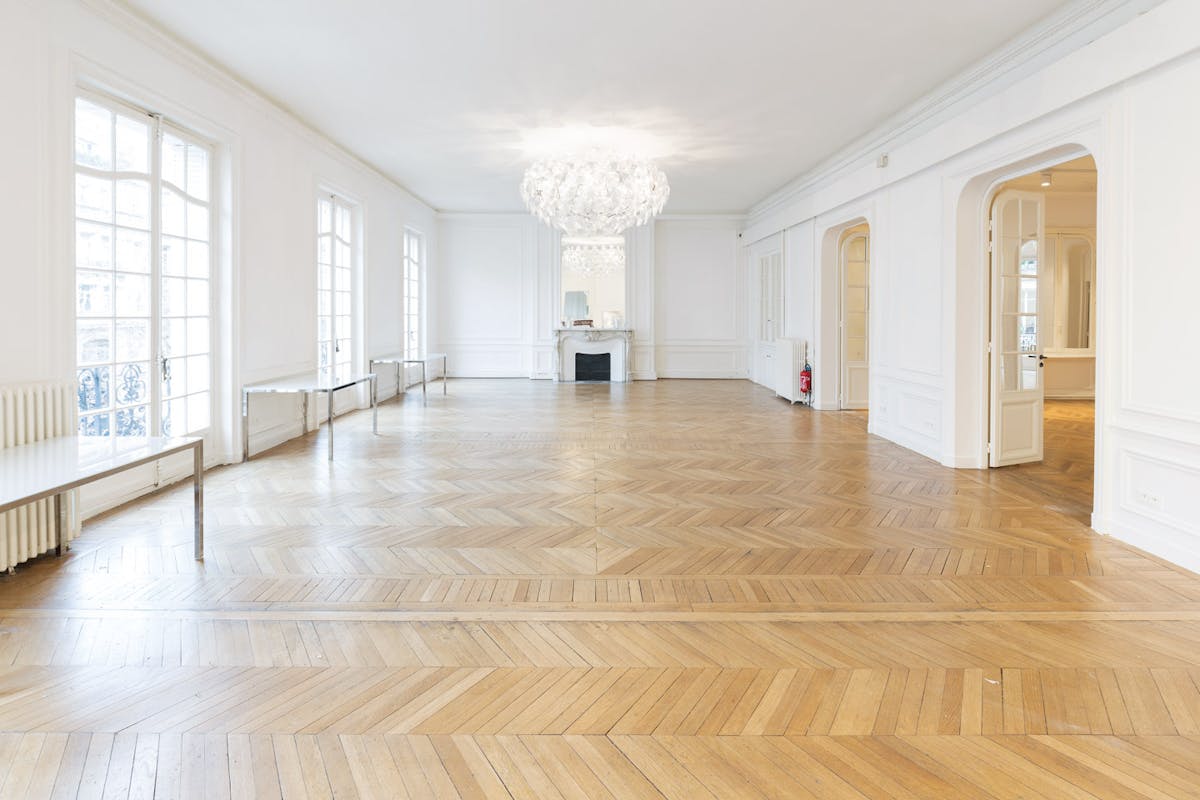
Montreal's typical commercial building is a two or three storey walk-up built in long terraces, with retail sitting at grade under residential floors above. That building stock shapes what "large" means here: a large store or boutique space is one that takes a full ground-floor commercial unit or spans more than one adjacent bay, giving a brand enough room to build a proper retail environment rather than a compact pop-up counter. Formats range from boutique-sized single units to full-floor retail spaces that accommodate installations, fitting rooms and back-of-house in one open plan.
Because rents in Montreal sit well below what Toronto, Vancouver or any US gateway city asks, a brand testing a larger format can afford to take more space here than it would elsewhere. That cost advantage is the single biggest reason Montreal's independent retail scene survives at the scale it does, and it is the same reason international brands use the city as a proving ground for North American concepts.
Who books large stores and boutique spaces here
Large stores and boutique spaces for rent in Montreal serve brands that need room to tell a story. Fashion labels launching a seasonal collection, concept stores assembling a curated edit, homeware brands building an immersive showroom, and food brands staging a tasting room all book at this scale. The city's French-speaking, design-literate audience responds well to physical retail done with care, and the lower cost of entry means the budget stretches further into build, staffing and programming.
For brands arriving from outside Quebec, the space itself is only part of the equation. Montreal is a French-speaking city with a large bilingual population, and the Charter of the French Language governs signage, packaging, receipts and staff language from the day a door opens. Plan for a French-first storefront from the outset rather than retrofitting after signing.
Timing and seasonality for large retail rental in Montreal
Montreal's commercial calendar has a pronounced shape. Summer is the peak, when festivals draw large audiences and sidewalk life is at its densest. The run-up to Christmas brings a second wave, with markets running through December in the old city and central sites. Between late November and April, heavy snow and sustained cold move footfall indoors, and any format that depends on street-level passing trade needs to account for narrowed, salted sidewalks and shorter weekend trading hours.
Several levers bring the cost of a large stores and boutique spaces rental in Montreal down. Off-peak months and midweek dates ask less than peak season. A longer booking earns a better daily rate, because a host values continuity over a single let. A side street a few doors off the main run keeps much of the passing trade at a materially lower asking rate. And a raw, unfurnished unit costs less than a finished one, so a brand bringing its own build-out gets the better deal.
Quebec sets retail trading hours by law: 8am to 9pm Monday to Friday, 8am to 5pm on Saturday and Sunday. That Saturday afternoon close at five is not a choice the retailer makes, and it catches operators arriving from other provinces.
Booking a large space in Montreal
Brands browse retail space in Montreal on Storefront, enquire with their dates, and agree the details directly with the space owner. Deposits, insurance and cleaning terms are set by each host and vary by space, duration and activity. The rate shown on the listing is the rate the renter pays; Storefront's fee comes from that amount and is not added on top.
For a deeper look at the broader pop-up store rental category, or to explore pop-up fashion store options in Montreal specifically, those pages cover the full range of formats and sizes. And once the activation is live, the guide to measuring pop-up shop success walks through the KPIs that matter.
FAQ
What is typically included in a large store or boutique space rental?
What is included varies by listing. Some spaces come furnished with fixtures, lighting and wifi; others are raw shells where the brand builds everything. Each listing states exactly what the host provides, so check before enquiring and factor fit-out into the budget if the space is unfurnished.
How far in advance should I book a large retail space in Montreal?
It depends on timing. Summer and the run-up to Christmas are the busiest periods, and the best spaces fill early. For a peak-season activation, start enquiring several weeks ahead. Off-peak bookings can often be arranged at shorter notice, especially if the brand is flexible on exact dates.
What deposit and cancellation terms apply?
Deposit amounts and cancellation windows are set by each host individually. They are confirmed during the booking conversation on the platform, and the terms are set out before any payment is made. Ask the host directly during your enquiry.
Can I alter or brand the space during my rental?
That depends on the host and the lease terms agreed. Many hosts allow temporary signage, wall treatments and fixture installation provided the space is returned to its original condition. Confirm what is permitted before booking, especially in heritage or architecturally sensitive buildings where additional approvals may apply.
How does payment work on Storefront?
Storefront's fee is included in the agreed rate and is paid by the host, so nothing is added on top of the quoted amount. Payment is handled through the platform once the booking is confirmed.