Large Stores vs Boutique Spaces
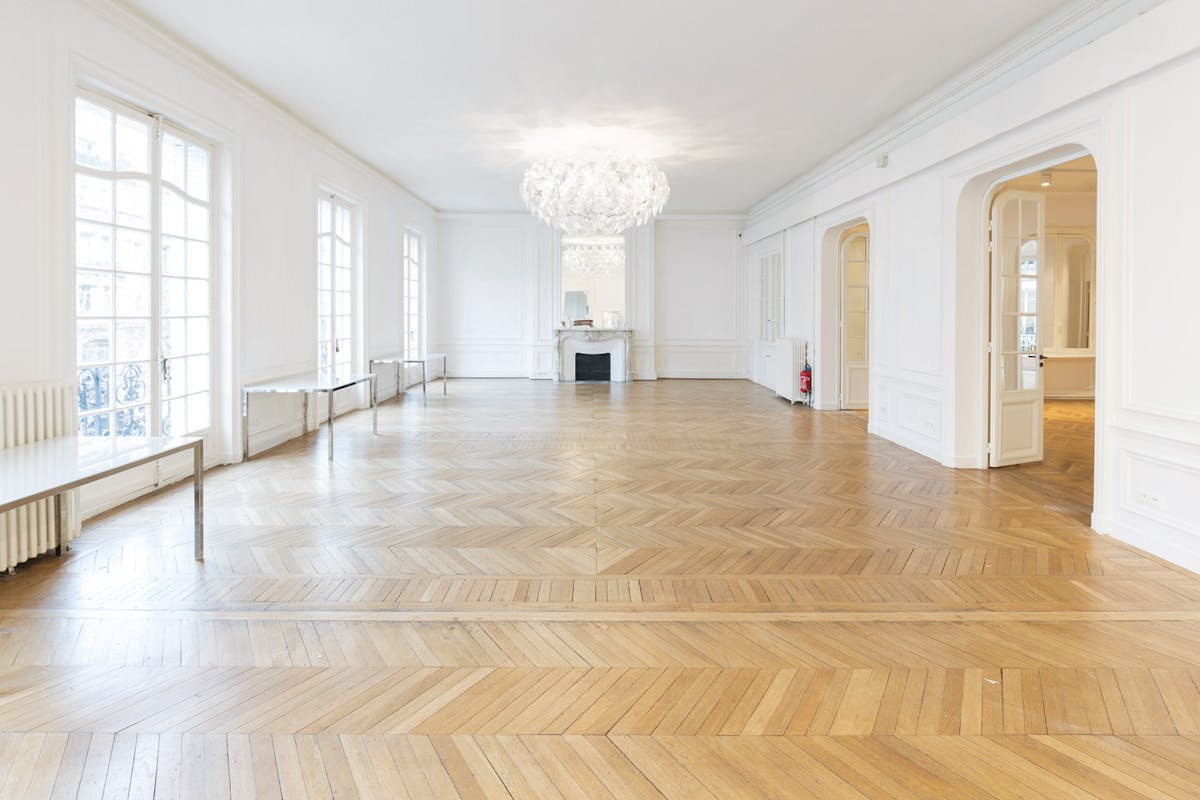
The distinction shapes how you plan. Large stores carry multiple fixtures, dressing areas, and the floor depth to hold inventory. They suit brands running sample sales, seasonal flagships, or multi-week activations. Boutique spaces trade floor depth for street presence: a front window, a tight edit of product, and the visual clarity that a curated retail experience needs. SoHo and Tribeca skew toward large-format loft space. The Lower East Side and Nolita concentrate small units. Flatiron and NoMad sit in the middle.
Seasonal Retail Demand in New York
Booking windows cluster around three peaks. Fashion weeks in February and September drive showroom and sample-sale activity across the Garment District, SoHo and Chelsea, where the largest floors available for short-term hire sit. The holiday retail window from October through December suits both formats: large stores for inventory-heavy gifting seasons, boutiques for concept activations and limited-edition drops. Spring (March to May) brings a secondary wave of launches, sample sales and Art Basel NY in May, which fills gallery and retail space across Chelsea and downtown.
August is the quietest month. Rent negotiation is at its strongest, but foot traffic is lowest and much of the industry has left the city. Late November through early January, the post-holiday stretch, is the second-weakest period, combining spending fatigue with cold weather and minimal street activity.
Neighborhood Clusters for Retail
Each neighborhood carries a distinct retail character and customer profile.
SoHo is the highest-demand short-term retail district in New York. Cast-iron loft buildings give wide ground-floor frontage and high ceilings, which is why it holds more flagship and pop-up activity than any other Manhattan neighborhood. Brands take space here for visibility rather than for a resident catchment. Large stores and boutiques both perform here, but prices reflect the foot traffic and the brand attention the street commands.
Tribeca is residential and affluent, with wide streets and large loft floorplates left from its warehouse past. Retail is sparser and more deliberate than in SoHo, and the area suits showrooms and private events more than walk-in trade. Boutique spaces here attract emerging labels seeking a quieter, more curated setting.
Flatiron and NoMad sit between SoHo's flagships and the Lower East Side's basement boutiques. The Flatiron District is an office and showroom district with wide avenues and a heavy weekday population. NoMad, north of Madison Square Park, has shifted from wholesale to hotels, restaurants and showrooms. Mid-market retailers and tech-backed DTC brands take space in both. Large floor plates are available, and the neighborhood draws a mix of office tenants and weekend visitors.
Lower East Side has the highest concentration of small independent storefronts in downtown Manhattan, along with a dense bar and music scene that gives it strong evening footfall. It is where new labels tend to test New York at street level. Boutique spaces dominate here; large-format retail is rare and prices are a fraction of SoHo's.
Nolita is a small-unit neighborhood: narrow shopfronts on short blocks, occupied by independent and emerging labels. It reads as the low-rise, boutique-scale counterpart to SoHo immediately to its west. Mott Street is the most closely watched retail street, a run of very small independent shopfronts that new labels take because the units are compact and the street reads as discovered rather than obvious.
Chelsea is the center of the New York contemporary gallery scene, concentrated in the West 20s between Tenth and Eleventh Avenues. Tenth Avenue through Chelsea is the spine of the gallery district. The blocks either side of it in the West 20s hold the largest column-free exhibition floors available for short-term hire in Manhattan, which is why brand activations and showroom weeks land here rather than on a conventional shopping street. Large-format retail and galleries overlap substantially here.
Space Size and Layout
Large stores typically run 2000 to 5000 sqft, with open-plan layouts, multiple fixture lines, and stockroom or back-of-house space. They suit brands moving inventory, running extended sample sales, or testing a neighborhood with a full assortment. Ceilings and clear floorplates matter: a loft building with tall ceilings and minimal columns gives you the flexibility that a conventional retail box does not.
Boutique spaces run 500 to 1500 sqft, and the front window is the critical asset. A narrow shopfront on a tight block can carry as much brand impact as a larger unit with a weaker location. Back-of-house space is minimal or absent, so inventory lives on the floor. These spaces suit concept-driven retail, limited-edition drops, and brands testing a neighborhood without the overhead of a large footprint.
Booking Terms and Flexibility
Storefront's listings range from one day to several months. A large store might support a two-week holiday activation or a month-long sample sale. A boutique space might open for a single weekend pop-up, a season-long residency, or a gallery show. Match your lease length to your actual trading window rather than assuming you need twelve months. The largest cost savings come from short-term rentals in the August trough or the post-holiday stretch, when landlords have empty space and prices move.
How to Find the Right Space
Start with neighborhood. SoHo, Tribeca and Chelsea command premium rents and attract established or well-funded brands. Lower East Side and Nolita are cheaper and suit emerging labels. Flatiron and NoMad are mid-market. Within each neighborhood, corner units carry two frontages and higher rents; in-line units mid-block are a different proposition. An avenue carries more through-traffic than a numbered cross-street one block over.
Then consider timing. A space booked during peak season (September through December, or around a fashion week) carries premium rates. The same space in August or January may rent at half the price. If your concept or inventory suits an off-season window, you can negotiate hard.
Finally, check the basics. Read the certificate of occupancy to confirm what the space is legally permitted to be used for. If you are planning any public event, a food or drink component, or external signage, confirm that the space and its district permit what you need. These details are set out in the listing and in conversation with the owner.
Related Searches
Explore retail space in New York for the full range of commercial space across the city, or search by neighborhood: SoHo, Lower East Side, or Tribeca.
FAQ
What size is considered a large store?
Large stores typically start at 2000 sqft. They have room for multiple fixture lines, dressing areas, and stockroom space. Boutique spaces are anything smaller, often 500 to 1500 sqft, where the front window and curated product selection are the primary assets.
Which neighborhoods are best for retail in New York?
SoHo and Chelsea carry the highest foot traffic and attract flagship and gallery retail. Tribeca suits showrooms and curated activations. Flatiron and NoMad are mid-market, with a mix of office and retail traffic. Lower East Side and Nolita are the emerging-brand and streetwear centers, with smaller spaces and lower rents.
Can I book a space short-term?
Yes. Storefront listings range from one day to several months. A space might be available for a weekend pop-up, a week-long sample sale, or a month-long seasonal activation. Match your lease length to your trading window.
When is demand highest for retail space in New York?
Demand peaks around fashion weeks in February and September, through the October-December holiday retail window, and again in spring (March-May) around Art Basel NY and sample-sale season. August is the quietest month. Late November through early January is the second-softest period.
What permits do I need to open a temporary retail space?
Requirements vary by location and by what the space is used for. Always confirm the certificate of occupancy first, it states what the space is legally permitted to be used for. If you plan events, food service, drink service, or external signage, discuss those with the landlord before booking. Most temporary retail does not require separate permitting beyond confirming legal use of the space.
How much does a retail space cost in New York?
Pricing varies by size, location, season and lease length. SoHo and Chelsea command premium rates. Lower East Side and Nolita are cheaper. The same space rents at a fraction of the price in August or January versus September and December. Boutique spaces are typically lower daily rates than large stores. Talk directly to the space owner through Storefront to discuss your dates and budget.