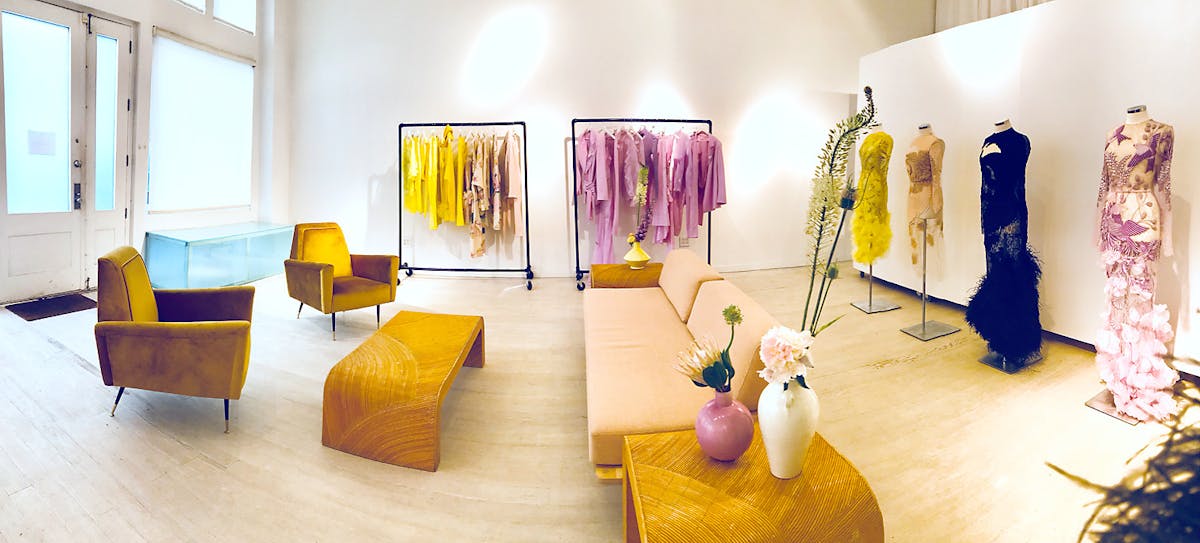
Why Montreal for a pop-up fashion store
Montreal's combination of low rents, a deep creative talent pool and a French-speaking market that is genuinely distinct from the rest of North America makes it one of the most practical cities on the continent to test a fashion concept. The city has a substantial fashion and industrial design base, with programming running through the year rather than clustering around a single dominant fashion week, which means demand for temporary fashion retail is spread across seasons rather than crammed into one window. Rents sit materially below Toronto, Vancouver or any US gateway city, so the cost of being wrong is lower here than almost anywhere else.
For international brands, that affordability is the mechanism that keeps a young, creative population in the city rather than exporting it to more expensive markets. The result is a dense audience of early adopters who discover new labels on foot, in the boroughs where they live, rather than through a single downtown corridor.
Browse pop-up store rental options across our full marketplace, or narrow your search to retail space in Montreal specifically.
What to consider before booking
A pop-up fashion store in Montreal operates inside a set of local rules that differ from most other North American cities. French is the official language of Quebec, and commercial signage, packaging, labels and receipts must be available in French. Staff must be able to serve customers in French. These are enforced requirements, not cultural preferences, and they apply from the day a brand opens.
The city is divided into boroughs with devolved powers over permits and zoning, so which authority governs a given address is a genuine question rather than an administrative footnote. Requirements depend on the space and the local authority, so confirm what is needed before booking.
Quebec is also a civil-law jurisdiction, which means lease terminology and remedies differ from the rest of Canada. Advice imported from Toronto is frequently wrong here. Deposits, insurance and cleaning terms are agreed directly with each space owner and vary by listing.
Choosing a location
Montreal's typical building is a two- or three-storey walk-up with an exterior staircase, built in long terraces. Most retail sits at grade beneath residential floors, in narrow units on a fine-grained street grid. That shape suits fashion pop-ups well: compact footprints with street-facing windows, at a scale a single brand can fill without needing to build partitions.
The central boroughs carry large-scale public murals from a sustained public art programme and an annual festival, giving the streetscape a visual energy that works as a backdrop for fashion. The city's back alleys, many converted into planted green alleys by residents, occasionally host markets and small events, offering an unusual and very local venue option.
Montreal sits on an island in the St Lawrence, so every approach crosses a bridge or a tunnel. Deliveries and staff commutes inherit that geometry, and the boroughs at the eastern and western tips of the island are genuinely remote from the centre. Choose a location that your audience can reach on foot or by metro without crossing the island.
Keeping costs down
Rates for a pop-up fashion store in Montreal vary by size, location, floor and season. There is no single price, but there are real levers a renter controls.
-
Timing. Off-peak months and midweek dates cost less than peak season and weekends. Summer festival season and the December holiday markets are the busiest windows.
-
Duration. A longer booking usually earns a better daily rate. Hosts price continuity.
-
Position. A side street a few doors off the main commercial run asks materially less while keeping much of the passing trade.
-
Floor. Ground floor with a window commands the most. Basement or first-floor space in the same building asks less.
-
Fit-out. A finished, furnished space costs more per day than a raw one. If the brand is bringing its own build, the raw space is the better buy.
-
Flexibility. Being open on dates or able to take a space at short notice when a host has a gap is the single biggest lever a renter controls.
For a deeper look at tracking what your pop-up fashion store actually returns, read how to measure pop-up shop success.
Seasonal demand and the fashion calendar
Montreal's fashion calendar does not revolve around a single headline week. Design and fashion programming runs through the year, and the city holds UNESCO City of Design status, which shapes its cultural positioning. For a pop-up fashion store, that means there is no single make-or-break window and no single week where every available space is already taken.
Summer is when footfall peaks. The festival season from June through August draws substantial visitor numbers, and the streets fill. Winter is the opposite: from late November into April, heavy snow, sustained sub-zero temperatures and salted, narrowed sidewalks push foot traffic indoors and underground. An entrance vestibule, somewhere for wet boots and coats, and heating that survives a door opening every thirty seconds are practical requirements through those months. A glass-box format that works in Los Angeles does not work here.
Christmas markets run through December in Old Montreal and other central sites, with chalets let to small vendors for the season. They are one of the few genuinely temporary retail formats the city itself organises, and they book well in advance.
Need a space that doubles as living quarters while you run your activation? Browse storefronts with apartments across the marketplace.
FAQ
Do I need to operate my pop-up fashion store in French?
Yes. French is the official language of Quebec, and commercial signage, packaging, labels, receipts and customer service must be available in French. Staff must be able to serve customers in the language. These rules are enforced by the Office québécois de la langue française and apply from the first day of trading.
What makes Montreal cheap for a fashion pop-up compared with other cities?
Rents are materially lower than Toronto, Vancouver or any US gateway city. The cost of living is lower too, which holds wages down and keeps a creative population in the city. For a brand testing a North American format, Montreal is one of the most affordable serious markets to run a temporary fashion concept.
How does winter affect a pop-up fashion store in Montreal?
Winter lasts roughly five months, from late November into April. Outdoor formats are not viable, footfall moves indoors, and snow removal operations can close streets with little notice. A winter pop-up needs a proper entrance vestibule, coat storage and reliable heating. Planning around the cold is not optional.
Are opening hours restricted in Montreal?
Quebec regulates when a shop may admit the public. Normal hours are 8am to 9pm Monday to Friday and 8am to 5pm on Saturday and Sunday. Exemptions exist and Montreal has its own specific rules, so the answer for a given address must be confirmed with the borough.
Can I sell alcohol at a fashion pop-up launch event?
Alcohol retail in Quebec is controlled by a provincial monopoly. Serving alcohol at an event requires a permit from the Régie des alcools, des courses et des jeux, and the permit type depends on whether you are offering drinks free of charge or selling them. Budget lead time for the application.