What large stores and boutique spaces offer in San Francisco
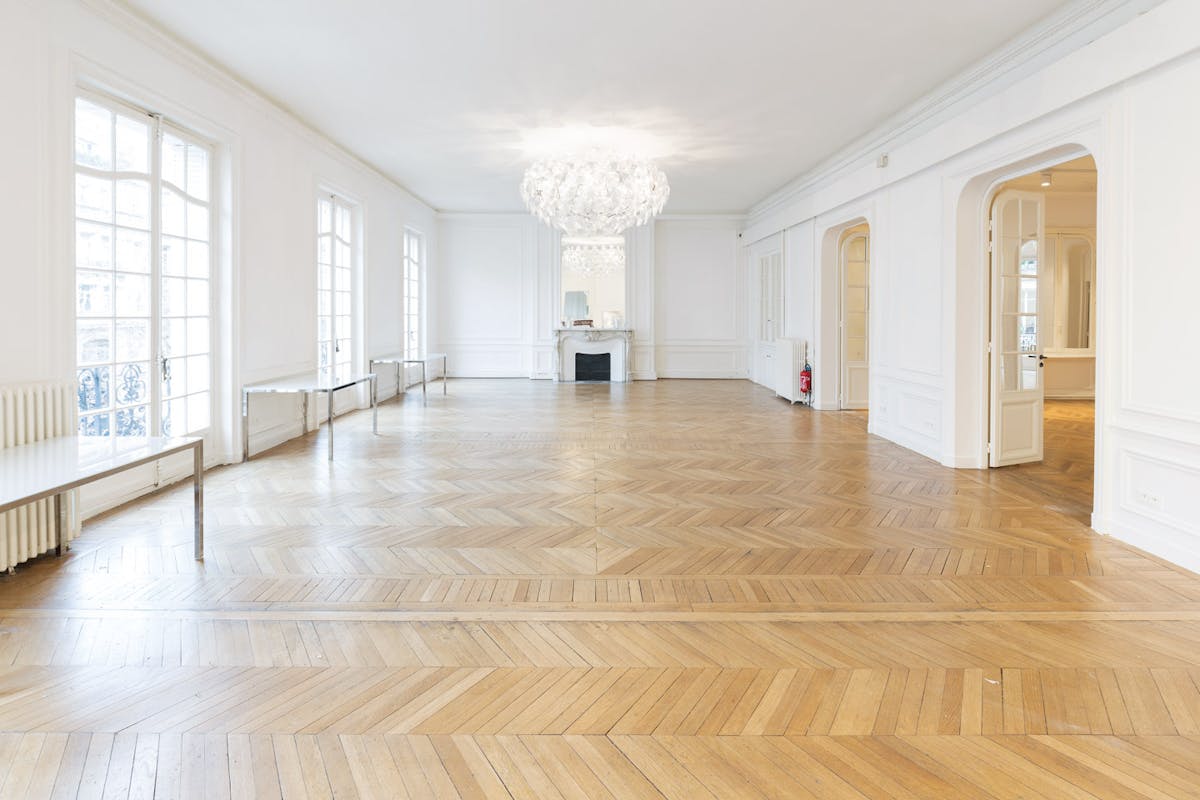
Large stores and boutique spaces sit between the compact pop-up unit and the long-term commercial lease. They give a brand room to build an environment, stage a collection across multiple zones, or run a multi-week activation without the constraints of a narrow Victorian storefront. In San Francisco, where most neighborhood retail is small by design, a space with genuine depth and clear span is the exception rather than the rule, and knowing where to look for one saves weeks.
The word "boutique" here means retail-forward: a finished or semi-finished interior with street-level access, display-ready walls and enough natural light or ceiling height to present product properly. Combined with a large footprint, that produces a space suited to seasonal launches, trunk shows, multi-brand collaborations and flagship-style activations that need both square footage and visual control.
Where large retail space clusters in San Francisco
San Francisco's building stock splits neatly by district, and the split decides where large-format retail is available.
SoMa holds the city's supply of large-floorplate space. Brick and concrete warehouses with high ceilings, roll-up doors and street-level loading are common here and almost absent from the neighborhood corridors. A launch, a showroom or an event needing depth and clear span usually ends up in SoMa by default. The Yerba Buena Gardens area around Third and Mission trades at the weekend as well as on weekdays, which broadens the audience beyond the office crowd.
Hayes Valley carries the most concentrated independent fashion and design tenancy in the city, but its units are small ground floors in Victorian buildings. A brand looking for a large boutique space here is looking at the rare exception rather than the norm, and availability is scarce. The corridor reads as curated and design-led, which sets a high bar for fit-out.
Union Square and Stockton Street hold the city's main department-store and flagship frontages, and Stockton Street is often closed to traffic for seasonal programming.
Cow Hollow is the exception on this list: converted Victorian houses with rooms rather than open floors, so it suits appointment-based retail rather than the clear-span format described above.
Use cases that suit a large boutique rental
-
Seasonal collection launches that need separate zones for display, fitting and hospitality
-
Multi-brand collaborations where each label occupies its own section of the floor
-
Trunk shows and appointment-based selling over several weeks
-
Product showcases tied to conferences or city-wide events such as Dreamforce
-
Holiday retail activations running through December
Timing and duration
San Francisco's best weather is in September and October, not in summer. The city's fog sits heaviest from June through August, so early autumn is the peak for street-level trading and outdoor visibility. Holiday retail builds through the autumn, with Union Square busy earlier in the season and the neighborhood corridors busiest in the final days before Christmas.
A longer booking usually earns a better daily rate than a single day, because a host is pricing continuity rather than a one-off let. Being flexible on dates, or able to take a space at short notice when a host has a gap, is what turns an awkward gap into a lower rate.
Browse all retail space in San Francisco to compare across sizes, or narrow to small retail space in San Francisco if a compact footprint fits the project better.
FAQ
What is typically included in a large boutique space rental?
Deposits, insurance and cleaning are agreed directly with the host and vary by space, by duration and by the kind of activity. Each listing states what is included, whether that is furniture, wifi, utilities or bare walls. Check the listing details and confirm with the host before booking.
Can I book a large retail space for just one week?
Many spaces accept weekly bookings and some accept daily ones. Minimum duration is set by each host, so it varies from listing to listing. Enquire with your dates and the host will confirm availability and terms.
How does booking through Storefront work?
A renter enquires on the platform with their dates, then talks directly to the space owner to agree the details. The booking is confirmed on the platform.
What should I look for when choosing between SoMa and a neighborhood corridor?
SoMa offers large floorplates, high ceilings and loading access, which suits installations, events and anything needing clear span. The neighborhood corridors offer street-level foot traffic and a curated retail context, but units are smaller. The choice usually comes down to whether the project needs physical scale or passing trade.
Can I alter or brand the interior of a rented space?
That depends on the host and the lease terms. Some spaces welcome a full brand takeover with custom signage and fit-out, while others require the interior to be returned to its original state. Agree what is permitted and what reinstatement looks like before the booking starts.