Where to Find Small Showrooms in New York
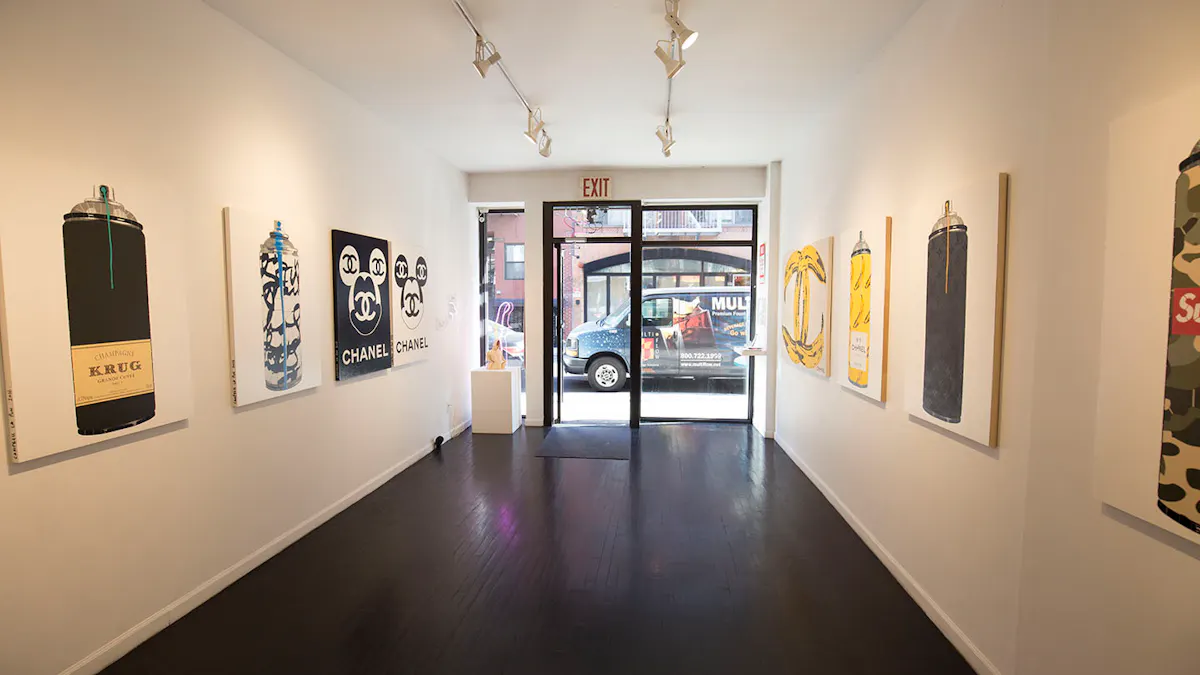
Small showrooms cluster across Manhattan and Brooklyn, each neighborhood offering distinct advantages for different use cases.
SoHo is the highest-demand small showroom district in the city. Cast-iron loft buildings deliver tall ceilings and column-free floors perfect for brand activations, sample sales, and pop-up retail. Ground-floor frontage is wide and foot traffic is steady, which is why brands book here for visibility. Rents reflect the demand: SoHo spaces command premium rates but return strong walk-in traffic.
Tribeca suits corporate launches, showroom weeks, and events. Loft buildings offer large, flexible floorplates with good ceiling height, and the neighborhood draws an affluent, design-conscious audience. It reads as more deliberate and less walk-in retail than SoHo, which makes it ideal for appointment-based showroom bookings.
NoLita is the independent retail counterpart to SoHo. Narrow shopfronts on short blocks, occupied by emerging labels and boutique brands, give it a discovered, curated feel. It attracts a younger, trend-focused crowd and commands lower rents than SoHo while maintaining strong foot traffic.
Williamsburg has emerged as a hub for emerging retail and brand launches. The neighborhood mixes industrial loft space with ground-floor retail, younger foot traffic, and competitive pricing. It suits brands testing new markets or building audience loyalty outside Manhattan's premium corridors.
Each neighborhood works differently for retail versus events, and booking 4-6 weeks in advance secures better availability and rate negotiation.
Typical Cost and Duration
Small showrooms in New York typically rent for $606 to $1,000 per day or $2,750 to $5,000 per week, depending on location, square footage, and neighborhood. Prime neighborhoods like SoHo and Tribeca command higher rates; emerging areas like NoLita and Williamsburg offer competitive pricing. Most small showrooms accommodate 1–5 day bookings, seasonal pop-ups running 2–4 weeks, and occasional monthly lets for established retailers.
Final rates depend on duration, exclusivity, and event timing. Pricing shown reflects typical asking ranges for spaces in the area; final booking terms are negotiated directly with the host.
Common Use Cases for Small Showrooms
Pop-up retail and brand launches are the primary use for small showrooms in New York. A brand takes a 500–1,500 sq ft ground-floor space for 3–14 days to introduce a new collection, test a market, or create scarcity around a seasonal release. SoHo and NoLita absorb most of this activity because the foot traffic and retail identity are already established.
Trunk shows and sample sales fill the space in between retail and wholesale. A brand or designer books a raw or semi-finished loft for 2–5 days to sell through inventory directly to customers. The Garment District, SoHo, and Tribeca are traditional sample-sale locations because their loft buildings offer large, open, unfinished floors that suit this format.
Corporate events and showroom weeks use small showrooms for appointment-based networking, product launches, and market presentations. These typically book in the weeks surrounding fashion week (February and September) and run 3–7 days. Tribeca and Flatiron are preferred because they signal business rather than retail and offer the quiet, professional setting that wholesale and corporate events need.
Seasonal retail and holiday pop-ups run longer, typically 4–8 weeks around the November–December holiday period. Brands book for the full season rather than short spells, which is why rates are negotiable and availability tightest in October. All neighborhoods participate, but SoHo and the Upper East Side see the highest holiday volume.
FAQ
How much does a small showroom cost in New York?
Small showrooms in New York rent for $606 to $1,000 per day or $2,750 to $5,000 per week. Location is the largest cost driver: SoHo and Tribeca sit at the higher end; NoLita, Williamsburg, and the Lower East Side offer competitive pricing. Monthly rates are available but less common; most brands book by the week or day.
Can I rent a small showroom for just one day?
Yes. Most small showrooms accept 1–5 day bookings, and many landlords offer daily rates for short events, launches, and trunk shows. Daily rates typically range from $606 to $1,000 depending on neighborhood and space size. Book 2–4 weeks in advance for prime neighborhoods and peak seasons (September and February around fashion week).
What's the difference between a showroom and a pop-up shop?
A showroom is typically a semi-permanent or appointment-based space where wholesale buyers, press, and invited guests meet the brand. A pop-up is a short-term retail space open to the public. Both rent by the day or week, but showrooms often emphasize privacy and professional setting (Tribeca, Garment District), while pop-up shops prioritize foot traffic (SoHo, NoLita). The space itself may be the same; the booking intent differs.
Which neighborhoods are best for a retail showroom or pop-up in NYC?
SoHo is the top choice for walk-in retail and pop-ups because of foot traffic and retail heritage. NoLita suits emerging and independent labels. Williamsburg attracts younger brands and offers lower rates. The Lower East Side is ideal for the first-time testers. Tribeca and the Garment District work best for wholesale showrooms and corporate events rather than consumer retail.
How far in advance should I book a small showroom?
Book 4–6 weeks in advance for standard availability and to negotiate rates. During peak seasons (September and February for fashion week, October for holiday prep, May for summer launches), book 8–12 weeks ahead. Last-minute availability exists but is limited and rarely discounted. Off-peak months (July and August) see faster availability and more negotiable terms.
Do I need a permit to open a pop-up showroom in New York?
Requirements depend on the space and the local authority, and it's worth confirming before booking. Most landlords carry certificates of occupancy that allow retail or showroom use. If you're serving food, hosting a large event, or adding external signage, additional approvals may apply. The landlord or a local attorney can clarify what's needed for your specific dates and format.
Explore more: Showroom Space For Rent · showroom space in New York