What Makes a Showroom Small?
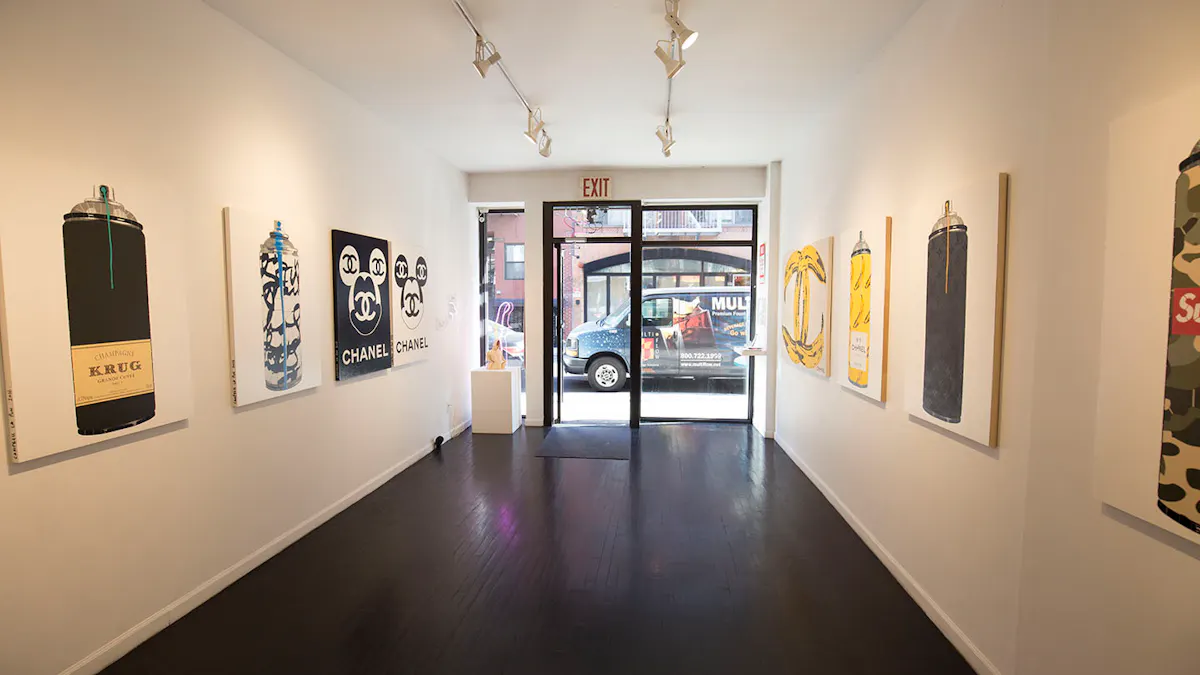
A small showroom is typically a compact, dedicated display space: enough room to present a curated product range, host buyers or press in an intimate setting, and control the brand environment without the overhead of a full retail floor. In Dubai, small showrooms range from boutique suites in design districts to clean-lined units in commercial towers, suited to brands that prioritise quality of engagement over volume of footfall.
If your activation needs one strong focal wall, a seating area for appointments, and room for guests comfortably, a small showroom rental in Dubai covers that brief.
Small vs. Large: Which Size Fits Your Brief?
The choice between a small showroom and a larger one is less about ambition and more about how the brand encounter is meant to feel.
-
Small showroom: appointment-led, curated, brand-controlled. Works for wholesale previews, press days, and product launches where the story matters more than volume.
-
Large showroom: high-throughput, multi-zone, suited to trade shows, multi-brand events, or formats where simultaneous visitor flow is part of the experience.
For most first-time Dubai activations, a smaller footprint in the right district outperforms a larger one in a peripheral location, and costs less per day.
Where Small Showrooms Concentrate in Dubai
Dubai's showroom market is spread across distinct commercial districts, each with a different character and catchment.
-
Sheikh Zayed Road: the city's main commercial spine, with tower-based showroom suites used heavily by fashion, automotive and luxury brands. Well connected by metro and a reference address for a trade or wholesale audience.
-
Al Badaa: the quieter residential side of the Badaa and Satwa stretch, with smaller commercial units suited to beauty, lifestyle and design brands seeking an appointment-only feel away from the corporate core.
-
Alserkal Avenue, Al Quoz: a converted warehouse complex that is the region's most significant concentration of contemporary art galleries, alongside independent design, food and performance space. For a brand positioning in culture or design, this is the most credible address in the emirate.
-
Dubai Design District (d3): a free-zone community built specifically for the fashion, luxury, design and creative industries. For a brand that wants trade visits and press attention, this is the most useful audience in the emirate.
Use Cases for a Small Showroom in Dubai
A small showroom for rent in Dubai suits a wider range of formats than the name suggests.
-
Wholesale and buyer previews ahead of a season
-
Press and media days for product or collection launches
-
Brand pop-up concepts with an appointment or walk-in model
-
Beauty, fragrance and wellness brand activations
-
Small showroom for events: intimate dinners, panel discussions or brand evenings where the product is the backdrop
-
Concession or shop-in-shop trials before committing to a longer lease
The format works precisely because it is contained: every element of the space is within the brand's control, and the guest-to-space ratio keeps the experience focused.
Timing and Cost: How to Pay Less
Small showroom rental in Dubai varies by district, building quality, fit-out standard and time of year. Rates sit well below what prime mall units or large format showroom floors ask.
The practical levers that bring the cost down:
-
Season: Dubai's retail year peaks from October to April, when the weather is pleasant and the city is full. Summer months are quieter and space owners are more flexible on rate.
-
Duration: a booking of several days or weeks typically earns a better daily rate than a single-day enquiry. Hosts price continuity.
-
Position: a unit a few floors up or away from a main entrance asks less than street-level or lobby-facing space in the same building.
-
Fit-out: a finished, furnished showroom costs more than a raw shell. If the brand is bringing its own build and props, a bare unit is the better buy.
-
Flexibility: being open on dates, or able to take a space at short notice when a host has a gap, is the single biggest lever a renter controls.
For a deeper look at how Dubai's showroom market works, Showroom Space For Rent covers the broader category.
The Dubai Design District design week draws a regional creative and buying audience in the cooler months, making that window one of the strongest for showroom activations in the city.
FAQ
What is a small showroom in Dubai?
A small showroom is a compact, dedicated display space used to present products, host buyers or press, and control a brand environment without a full retail floor. In Dubai, these range from boutique suites in design districts to furnished units in commercial towers, typically suited to appointment-led formats.
Where are the best areas to rent a small showroom in Dubai?
Key districts include Sheikh Zayed Road for a central commercial address, Dubai Design District for a creative and fashion-industry audience, Al Quoz and Alserkal Avenue for a culture and design positioning, and Al Badaa for a quieter, appointment-focused setting.
Can I rent a small showroom in Dubai by the day?
Yes. Many hosts on Storefront offer daily and weekly rental terms alongside longer arrangements. The booking terms and minimum duration are set by each host and shown on the individual listing.
What is a small showroom for events in Dubai?
A small showroom for events typically means using the display space as the venue for an intimate brand moment: a press day, a product reveal, a buyer dinner or a panel with a small invited audience. The product or collection becomes the backdrop, which works well in a controlled, curated space.
When is the best time to book a showroom in Dubai?
The cooler months from October to April are peak season, when visitor numbers are highest and commercial activity is strongest. The Dubai Shopping Festival, which runs from around mid-December into late January, is the single strongest trading window of the year. Summer bookings are quieter but often available at more flexible rates.
How is a small showroom different from a pop-up shop?
A pop-up shop is typically open to passing public trade and focuses on direct-to-consumer sales. A small showroom is usually appointment-led and oriented toward trade buyers, press or brand partners rather than walk-in retail. In practice many activations combine both: a showroom layout with selective public-facing hours.