Why a Small Showroom Works in Toronto
Toronto is Canada's largest city and its commercial capital. Brands entering the Canadian market usually enter here first, and a small showroom rental in Toronto is one of the most direct ways to do it. The city's consumer market is one of the most diverse anywhere: roughly half its residents were born outside Canada, so there is no single default customer. A compact showroom lets a brand test that market without committing to a large footprint or a long lease.
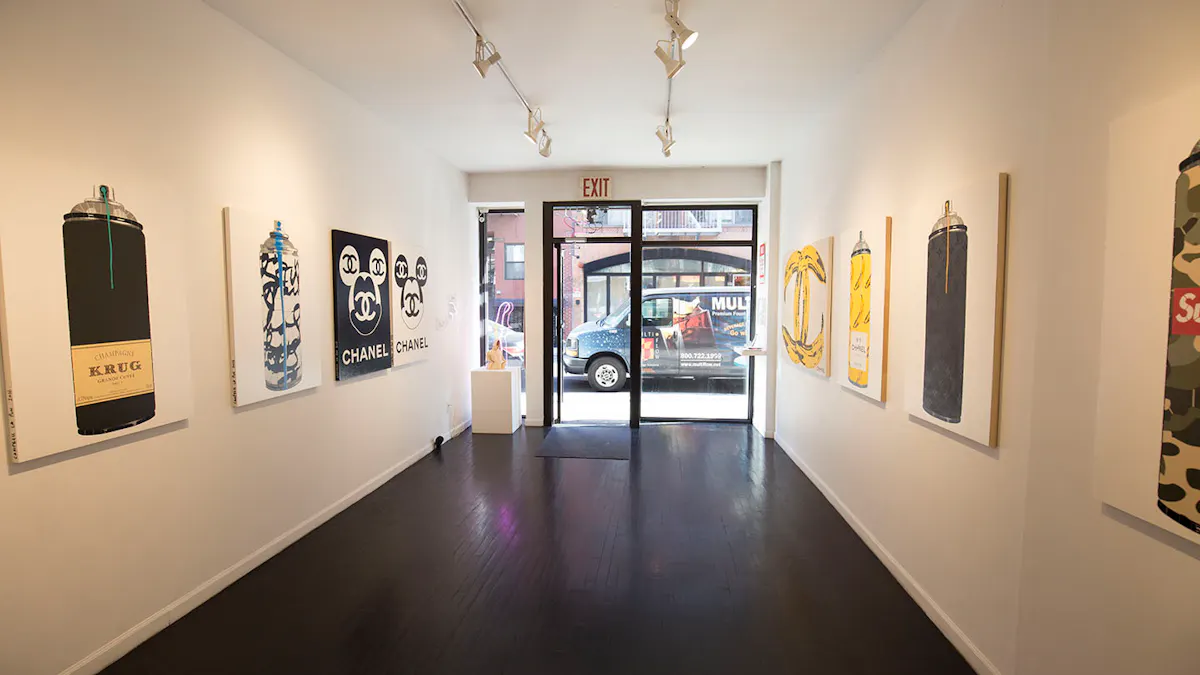
Size works in a small showroom's favor: a tighter space focuses attention on the product, controls the atmosphere and keeps the brand's build costs down. For an emerging label showing a first collection or an established brand running a capsule preview, the format delivers a professional setting at a fraction of what a large venue asks.
For a broader view of the format, browse all showroom space in Toronto or see the full Showroom Space For Rent project page.
Toronto's Showroom Geography
Toronto is organized around long commercial main streets that follow the old streetcar routes. Choosing a location means choosing a street and then a stretch of it, because the character changes completely within a few blocks. That structure works well for showrooms: a brand can place itself on exactly the stretch that matches its audience.
The city's Business Improvement Areas are the practical route into a street. Toronto invented the BIA model and most commercial strips have one today, funded by a levy on local businesses and running programming and vacancy initiatives. For a temporary showroom the local BIA is usually the fastest way to a site and to local goodwill.
Several central main streets carry visible retail vacancy, worsened by remote work and rising costs. For a small showroom rental that is leverage: available space and motivated landlords willing to negotiate on short terms.
What Makes a Small Showroom the Right Fit
A small showroom is the format that matches the appointment. A buyer meeting, a press preview, a one-to-one client presentation or a curated product display all work better in a contained room than in a cavernous hall. The visitor's eye stays on the product, and the host controls every detail of the experience.
The practical advantages are real:
-
A smaller footprint on a good street often costs less than a larger one further out, and keeps the passing trade
-
A finished, furnished space is ready faster than a raw one, which matters on a short booking
-
A side street a few doors off the main run asks materially less while keeping much of the foot traffic
-
A longer booking usually earns a better daily rate, because the host is pricing continuity rather than a single let
Brands that need to show a product to a specific audience rather than draw foot traffic off the street will find that a small showroom in Toronto delivers exactly that.
Timing a Toronto Showroom
Toronto's year has two halves, and the shift between them matters for a showroom booking. From roughly May to October the city lives outdoors, patios take over sidewalks and curb lanes, and street festivals run most weekends. Foot traffic on the main streets transforms, and a ground-floor showroom with a window catches all of it.
Winter runs roughly December to March and moves trade indoors. The city's PATH network, tens of kilometers of climate-controlled underground walkway linking the downtown office towers and stations, carries a very large share of downtown footfall in deep winter. A street-level unit competes with the level below it during those months, so timing a showroom for the warmer half of the year is a real advantage.
The strongest commercial weeks align with the city's major cultural calendar. The film festival in September is the biggest commercial week of the year, filling central corridors with international press and brand activations. The autumn art fair brings gallery programming across the city. The Christmas market in the Distillery District defines the festive retail season. Booking a small showroom to coincide with one of these draws a ready-made audience.
For ideas on how automotive and consumer brands have used temporary showroom formats, read Automotive Pop-Up Shops: How Car Brands Use Temporary Showrooms to Launch, Test and Sell. And for layout thinking that applies directly to a compact space, see How to Design a Physical Store That Appeals to Both Webrooming and Showrooming.
FAQ
What is typically included in a small showroom rental in Toronto?
Inclusions vary by space and by host. Some listings come furnished with lighting, shelving and wifi; others are raw shells. Every listing states what is and is not included, so check before enquiring. If the brand is bringing its own build, a raw space is usually the better buy.
How far ahead should a small showroom be booked in Toronto?
It depends on timing. During peak weeks, particularly the film festival in September and the run-up to Christmas, space on central streets books well in advance. In quieter months, hosts with gaps are more flexible on dates and on rate. Being open on timing shapes the quote more than the fit-out does.
How does the booking work?
A renter enquires on the platform with their dates, then talks directly to the space owner to agree the details. The booking is confirmed on the platform. The renter pays the rate shown on the listing or the rate they agree with the host.
Can a small showroom host a fashion week presentation?
A compact showroom is a natural fit for a buyer appointment or a press preview during a fashion week showroom booking. The contained format keeps attention on the collection rather than on the room. Timing the booking to coincide with the city's cultural calendar puts a ready audience within reach.
What happens to fixtures and fit-out at the end of the booking?
Deposits, reinstatement and end-of-booking terms are agreed directly with the host and vary by space. Some hosts expect the space returned exactly as found; others are flexible. Confirm the terms before booking so the brand can budget for any takedown.