

Why Rent a Storefront With Kitchen in Dallas
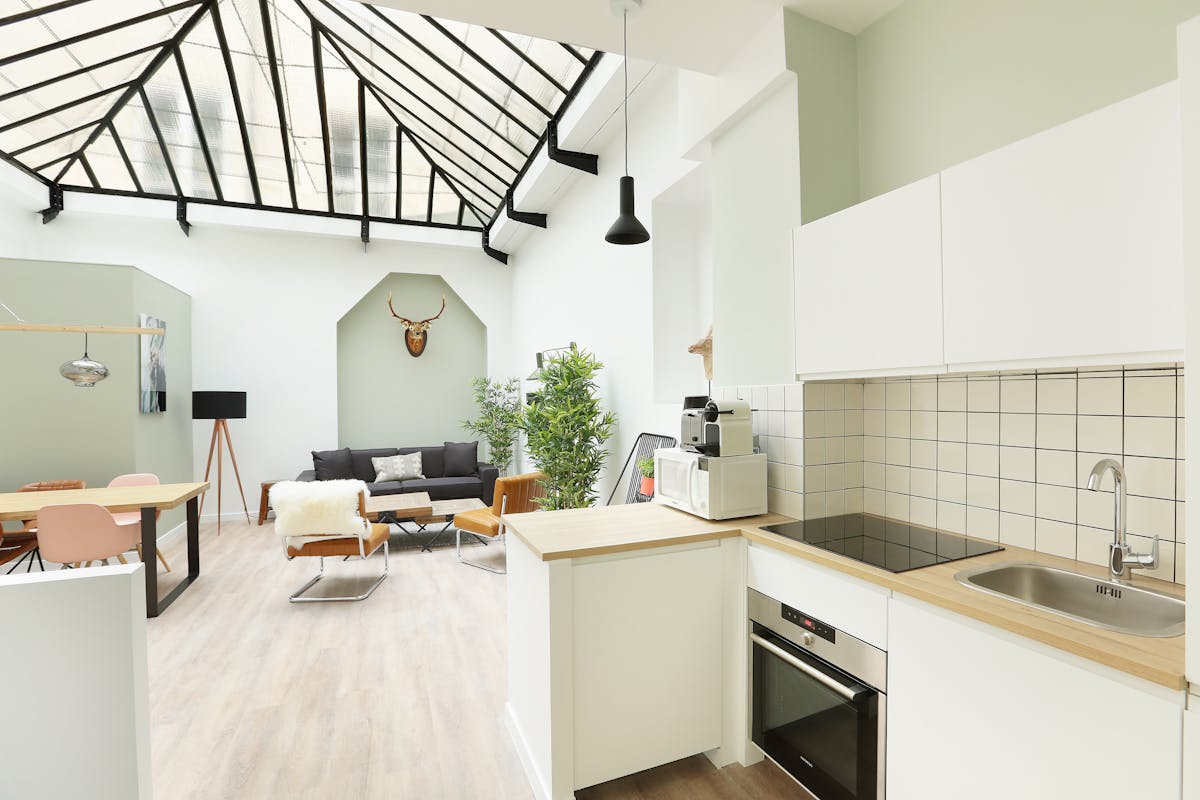
Dallas has become a major hub for culinary entrepreneurs, independent food brands, and food-focused experiential retail. A storefront with kitchen for rent in Dallas gives you access to ready-to-use facilities that support both food production and customer-facing service without the overhead of a permanent restaurant or café.
These spaces are ideal for:
-
Pop-up restaurants, supper clubs, and tasting menus
-
Food truck brand extensions and test-kitchen concepts
-
Small-batch food production or recipe development
-
Private dining events and chef-hosted experiences
-
Cooking classes, workshops, and community food events
-
Hybrid retail and food-sampling activations
A rented storefront with kitchen allows you to operate legally and efficiently while testing or scaling your concept. You retain full creative control over menu, service style, and branding, with zero long-term commitment.
Health Permits and Licensing in Dallas
Operating a food service business in a rented kitchen requires compliance with Dallas Health Department regulations. Most kitchen-equipped storefronts on Storefront are pre-vetted for food service licensing, but you should verify the following before booking:
Food Service License requirements. The Dallas Health Department requires a Food Service License for any operation serving food to the public. The application typically takes 3–7 business days and involves a brief facility inspection.
Commissary and prep space exemptions. If you are exclusively preparing food for off-site catering or meal-kit distribution (not serving on-site), some Dallas storefronts may qualify under a reduced-permit pathway. Confirm this with your landlord and the Health Department.
Liability insurance. Most commercial kitchen rentals require proof of general liability coverage ($1M–$2M). Event-specific policies often cost $200–$500 per booking.
Alcohol service. If your concept includes wine, beer, or cocktails, you will need a Beverage License from the Texas Alcoholic Beverage Commission (TABC). This is separate from food licensing and typically takes 7–10 business days.
Contact the Dallas Health Department Food Service Section or ask your Storefront space owner to confirm pre-approval status before finalizing your booking.
Storefront With Kitchen Pricing in Dallas
Pricing depends on location, size, kitchen readiness, and neighborhood foot traffic. Here is a typical breakdown:
-
Small kitchen-enabled units (chef demos, small pop-ups, test tastings): $75–$150 per hour
-
Mid-size storefront kitchens (seated dining for 20–50 guests, food production): $400–$900 per day
-
Larger, fully equipped commercial kitchens (50+ capacity, full service output, premium locations): $1,500–$4,500+ per day
Weekly and monthly rentals often offer 15–25% discounts compared to daily rates. For a detailed comparison of options across neighborhoods, browse food-ready spaces in Dallas to see current availability and pricing.
Kitchen Equipment: What to Verify
Before booking, confirm that the storefront kitchen matches your service model. Key equipment to ask about:
-
Hood system and ventilation type (critical for any cooking; lack of hood often disqualifies a space from food service licensing)
-
Oven and cooktop (gas vs. electric; number of burners; oven capacity)
-
Refrigeration (walk-in cooler, reach-in fridges, freezer space for your prep cycle)
-
Hand-wash and prep sinks (separate from dish-washing sinks; required by health codes)
-
Pass-through or service window (if you need separation between kitchen and customer area)
-
Storage (dry goods, smallwares, linens)
-
Seating and front-of-house layout (counter service vs. table service capacity)
Mismatch between your menu and available equipment is the #1 reason pop-ups underperform in rented kitchens. If you plan to serve plated dishes, you need a full stovetop and oven. If you're doing cold assembly or baking, you can operate in a leaner space. Always request a walk-through or video tour before committing.
Prime Neighborhoods for Storefront Kitchen Rentals in Dallas
Dallas offers several food-forward neighborhoods where kitchen-equipped storefronts attract both walk-in customers and event bookings.
Bishop Arts District
Home to independent galleries, boutique retail, and chef-driven restaurants like Oak and established culinary institutions. High foot traffic from art openings and weekend browsers. Ideal for chef residencies, artisanal food concepts, and premium private dining events. Rents in this district typically fall into the mid-to-premium range ($600–$1,500/day).
Deep Ellum
Known for bold creative experiences, late-night dining, and street-food culture. This neighborhood attracts younger, adventure-seeking crowds willing to try experimental menus. Perfect for bold pop-ups, street-food concepts, and high-energy supper clubs. Pricing is often competitive ($400–$900/day), and foot traffic peaks Thursday through Sunday.
Downtown Dallas
Home to office towers, convention centers, and corporate headquarters. Ideal for professional lunch-hour concepts, private corporate food activations, and upscale tasting events. Foot traffic is strong weekdays, quieter weekends. Mid-range pricing ($500–$1,200/day) reflects high daytime volume.
Design District
A curated shopping and gallery destination attracting affluent, design-conscious visitors. Premium backdrop for upscale private dining, chef collaborations, and luxury food concepts. Rents are higher ($1,200–$2,500+/day) but foot traffic quality is strong for high-margin events.
Lower Greenville
Emerging as Dallas's indie food and dining neighborhood, with 20+ independent restaurants, bars, and food-focused retail. Strong evening and weekend foot traffic. Ideal for neighborhood pop-ups, experimental menus, and casual supper clubs. Pricing is moderate ($400–$900/day), and repeat foot traffic is high due to dense dining culture.
Booking Duration and Use-Case Matching
Choose your rental length based on your business model:
-
Hourly rentals (2–4 hours): Demo events, pop-up tastings, private chef dinners, cooking classes
-
Daily rentals (8 hours): Pop-up restaurants, one-off supper clubs, food-truck brand extensions
-
Weekly rentals (7 consecutive days): Chef residencies, test-kitchen product launches, recurring pop-up series
-
Monthly or longer: Semi-permanent food concepts, incubator kitchen partnerships
Weekly and longer bookings typically unlock volume discounts. For large event spaces in Dallas, you can also explore non-kitchen-specific venues if you need additional seating or back-of-house production space.
Tips to Make Your Dallas Storefront Kitchen Pop-Up a Success
To maximize your rental experience:
-
Match your menu to the equipment. Review oven capacity, cooktop power, and storage before finalizing your menu. Dishes that require 45 minutes in a convection oven may not work if the kitchen only has a standard home-style oven.
-
Plan customer flow. Map the route from entry to ordering, to service, to seating (if applicable). Tight kitchens can bottleneck service if you do not account for staff movement.
-
Pre-promote your pop-up. Dallas diners actively seek limited-time food events. Use Instagram, email lists, and local food media to announce your dates and secure reservations.
-
Verify health permit approval before opening day. Confirm your license is posted and active. Surprise inspections happen, and operating without a license can result in immediate closure and fines.
-
Use exterior visibility. Branded signage, window displays, and lighting drive walk-in traffic. Even a single A-frame sign can increase day-of bookings by 30%.
-
Conduct a dry run or soft opening. Use a test service with friends or staff to validate your timeline, plating speed, and equipment performance before opening to paying customers.
-
Build a 20% time buffer into your timeline. Rented kitchens have quirks (slow ovens, unfamiliar stove power, unclear equipment placement). Give yourself extra prep time on day one.
Planning Your Menu and Prep Workflow
Before your booking date, create a detailed prep plan:
-
Equipment audit. Walk through the kitchen and photograph each appliance. Test ovens, burners, and refrigerators if possible.
-
Menu sequencing. List every dish and the order in which you'll execute it. Cold items first, hot items last. Identify the bottleneck stations (usually the oven or stovetop).
-
Staffing and timing. How many cooks, servers, and support staff do you need to execute your menu at the volume you expect? Understaff and you will hit a ceiling fast.
-
Ingredient pre-prep. Determine what you can prep in a home kitchen or commercial commissary before arriving at the rental space. This reduces on-site time and stress.
-
Cleanup and breakdown. Dallas rental spaces often charge per-hour overages for late checkout. Build 30 minutes into your timeline for cleanup.
For more on designing scalable pop-up menus, browse event spaces with kitchen in Dallas to compare space layouts and see how other operators have configured their service flow.
FAQ
Can I run a food truck pop-up out of a rented kitchen storefront?
Yes. Many food truck operators use rented kitchen storefronts to prep batch items, test new menu concepts, or extend capacity during peak seasons. Confirm the space has a commercial hood system and sufficient refrigeration for your volume. You will still need a valid Food Service License for the kitchen.
Do I need a health permit if I'm only serving alcohol and snacks?
It depends on what counts as "snacks." Alcohol service requires a Texas TABC License. Pre-packaged or unheated snacks (chips, nuts, cheese boards) may fall outside food service licensing. Hot foods, prepared items, or anything requiring refrigeration does require a Food Service License. Clarify with the Dallas Health Department or your space owner before booking.
How quickly can I book a storefront with kitchen in Dallas?
Most Storefront spaces offer availability within 1–14 days of booking, depending on the neighborhood and season. Popular times (weekends, holidays, festival weekends) fill 2–4 weeks in advance. Book early if you have a specific date or neighborhood preference.
Can I serve alcohol at my pop-up in a rented kitchen?
Yes, but you must obtain a Texas Alcoholic Beverage Commission (TABC) Beverage License and a Dallas Food Service License. The TABC process takes 7–10 business days and costs roughly $100–$300. Your space owner may also require proof of liability insurance. Plan at least 2 weeks for approvals.
What's the difference between a storefront with kitchen and an event space with kitchen?
A storefront with kitchen emphasizes customer-facing retail or dining, with foot traffic from the street. An event space with kitchen is typically a private, bookable venue without street frontage. Choose a storefront if you want walk-in traffic; choose an event space if you prefer controlled attendance and privacy.
Do I need liability insurance to rent a Dallas kitchen space?
Most commercial kitchen rentals require proof of general liability insurance ($1M–$2M minimum). Event-specific policies are available for $200–$500 per booking and can be purchased through your insurance broker or a specialized event platform. Ask your space owner before finalizing your booking.


