Why Rent a Storefront With Kitchen in Chicago
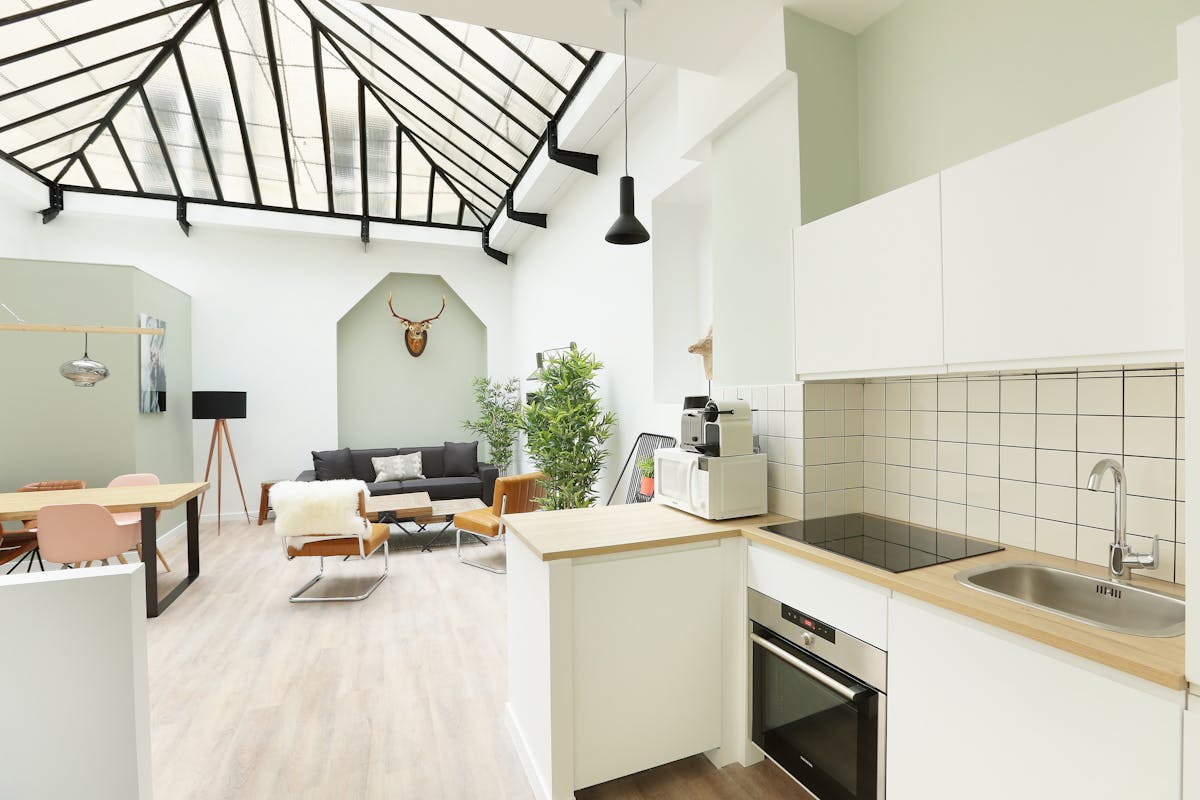
Chicago is a city built on food culture, and a storefront with kitchen gives food entrepreneurs a ready-to-use space without the commitment of a long-term lease. Pop-up restaurant operators, CPG brands testing new products, caterers preparing for large events and chefs hosting ticketed dinners all need a space where cooking and selling happen under one roof. A kitchen-equipped storefront in Chicago puts a brand in front of a walking customer while keeping prep, plating and service in the same unit.
The city's commercial stock is unusually well suited to this format. High ceilings, wide frontages, rear service access through back alleys and robust utility infrastructure mean many Chicago storefronts can support ventilation hoods, prep stations and commercial refrigeration without a full buildout. That makes the path from lease signing to first service shorter and cheaper than in most comparable US cities.
Where to Look for Kitchen Storefronts in Chicago
Chicago's food and hospitality trade concentrates on named corridors, and each one draws a different customer.
-
West Loop and Fulton Market. The city's restaurant capital. Fulton Market around Fulton and Lake Streets is luxury-facing and nationally recognized. The West Loop proper runs south along Randolph and Madison with more office traffic and a large residential population. A storefront with kitchen rental here puts a food brand among the best-known restaurant operators in the Midwest, though rents reflect that standing.
-
River North. The densest concentration of restaurants, bars and hotels in Chicago, trading to hotel guests, conventioneers and suburban visitors from early evening until late. Hubbard Street and the Ontario and Ohio blocks are the busiest strip. A kitchen storefront here works best with evening hours, and the audience skews out-of-town rather than local.
-
Logan Square. Milwaukee Avenue is one of the strongest independent corridors in Chicago, running diagonally through the neighborhood with a near-continuous stretch of bars, restaurants, vintage shops and independent retail. The Sunday farmers market on the boulevard draws well beyond the neighborhood, and for a food brand it is a cheap, credible route to a local audience.
-
Lincoln Park. An affluent North Side neighborhood with several distinct retail corridors. Armitage Avenue between Halsted and Racine is the premium shopping street, with restored Victorian storefronts that have a long history of seasonal and temporary occupation. The walking customer here is wealthy and local.
-
Greektown. One of Chicago's oldest surviving ethnic food corridors, along Halsted at the West Loop's eastern edge. Restaurants, bakeries and grocers predate the surrounding development by decades, and frontage here costs a fraction of Randolph Street pricing. For a food or cultural brand, it offers real character at an accessible price point.
Who Books a Storefront With Kitchen in Chicago
Kitchen-equipped storefronts serve a specific set of food and hospitality use cases that standard retail space cannot.
-
Pop-up restaurants. Chefs and restaurant groups testing a concept, building a following or trialing a new neighborhood before committing to a permanent site.
-
Catering prep. Caterers servicing corporate events, weddings or private gatherings who need a temporary production base close to the venue.
-
Test kitchens for CPG brands. Food and beverage companies sampling a new product with real customers, collecting feedback and building brand awareness in a retail setting.
-
Ticketed food events. Multi-course dinners, cooking classes, chef collaborations and tasting menus run as experiences rather than ongoing restaurant service.
-
Brand activations with a food component. Lifestyle, spirits and wellness brands that want to serve food or drink as part of a broader activation.
What to Check Before Booking
A storefront with kitchen rental in Chicago carries a few considerations that standard retail space does not. Each listing states what equipment is included and what the renter brings, so review the details before enquiring.
Chicago has a license designed for pop-up retail, and separate licensing applies to food. Check with the city what covers your activity. Broadly, food operations are tiered by what they do: lighter setups need less infrastructure, while operations involving cooking on site need ventilation, temperature control equipment and a certified food service manager. The tier is confirmed through a consultation with the city, and the host premises may be inspected.
Deposits, insurance and cancellation terms are set by each host and differ from one listing to the next. Confirm the arrangement directly with the space owner before booking.
Timing and Seasonality
Chicago's climate reshapes its food and retail calendar completely. Summer is the peak season: the city moves outdoors, patios open on every corridor, and street festivals run most weekends. A kitchen storefront with outdoor seating or a sidewalk component trades at its strongest during these months.
The holiday season is the second major window. Michigan Avenue takes on its holiday lighting and entertaining and hospitality demand all spike. Kitchen storefronts that serve holiday catering, seasonal food products or branded dining experiences book early for this period.
January and February are the quietest months: cold, dark and post-holiday. The one counter is the downtown convention calendar at McCormick Place, which fills hotels with out-of-town visitors on a published schedule. A kitchen storefront near downtown can catch that audience when neighborhood corridors are empty.
For a broader look at pop-up shops in Chicago, the practical advantages of testing in this city extend well beyond food.
How to Spend Less on a Kitchen Storefront in Chicago
Rates vary by neighborhood, size, equipment level and season. Chicago has more available retail space at lower rents than any other US city of its size, so the starting position is already favorable. Several levers bring the cost down further.
-
Timing. Off-peak months and midweek dates ask less than summer weekends or the holiday run. Flexibility on dates is the single biggest lever a renter controls.
-
Duration. A longer booking usually earns a better daily rate. A host carries no void between your dates, which is why continuity is worth something to them.
-
Position. A side street a few doors off a main corridor asks materially less while keeping much of the passing trade. For the lowest-priced options across the city, see cheap commercial property in Chicago.
-
Fit-out level. A fully equipped kitchen costs more than a space with basic infrastructure. Brands bringing their own equipment can look for a raw or semi-equipped space and save accordingly.
-
Floor. Ground-floor space with a window commands the highest rate. Basement or upper-floor kitchens in the same building ask less.
FAQ
What is a storefront with kitchen rental?
A storefront with kitchen is a street-facing commercial space that includes cooking or food-preparation facilities. It combines a retail or event front-of-house with a functional kitchen, so food businesses can prepare, cook and sell from a single location without fitting out a separate production space.
What types of events suit a kitchen storefront in Chicago?
Pop-up restaurants, catering prep, product tastings, cooking classes, ticketed dinners and brand activations with a food or drink component. The key distinction is that the space supports both customer-facing activity and food production.
How far ahead should I book a kitchen storefront in Chicago?
Demand peaks across the summer months and again through the holiday weeks. Booking a few weeks ahead during those windows gives a wider choice. Off-peak months offer more last-minute availability.
Can I serve alcohol at a kitchen storefront pop-up?
Alcohol service requirements depend on the space and the local authority, so confirm the position before booking. For a short project, the realistic route is hiring a licensed caterer who extends their own license to the event. Agree it with the space owner and the caterer in advance.
Mall kiosks and corner units work well for packaged food products, samples and grab-and-go concepts. They do not typically include cooking facilities, so they suit brands selling pre-made or shelf-stable items rather than those needing on-site food preparation.