
Pop-up retail has evolved far beyond the “temporary store” concept it started as. Today, brands use pop-ups to launch products, test new cities, create immersive experiences, and bridge online and offline sales.
If you’re new to short-term retail, start with our complete explainer: What is a pop-up shop?
And if you’re already planning your activation, our step-by-step guide on how to open a pop-up store walks you through the full process.
In this article, we break down the five main types of pop-up shops, share real-world pop-up shop examples, and explain how to choose the format that aligns with your brand, budget, and goals.
The 5 Main Types of Pop-Up Shops
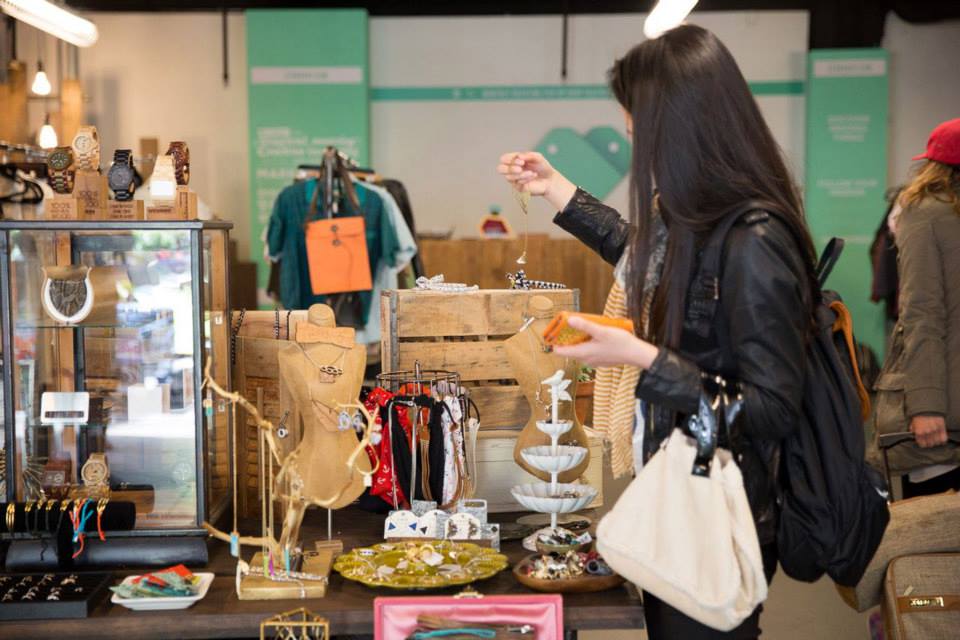
There are many pop-up shop formats, but most activations fall into one of these five categories.
Understanding these types of pop up shop models will help you narrow your search and avoid choosing a space that doesn’t fit your strategy.
1. Store-Within-a-Store
A store-within-a-store pop-up involves temporarily setting up inside an existing retailer — such as a boutique, concept store, or café.
This is one of the most accessible types of pop-up shop for first-time brands.
Why brands choose it:
- Move-in ready
- Lower cost than standalone retail
- Built-in customer traffic
- Fast launch timeline
What to consider:
Your brand must complement the host retailer’s audience and aesthetic. Alignment is key.
For brands interested in shared activations, our guide to pop-up store collaborations explores how partnerships can amplify results.
2. Kiosks & Booth Spaces
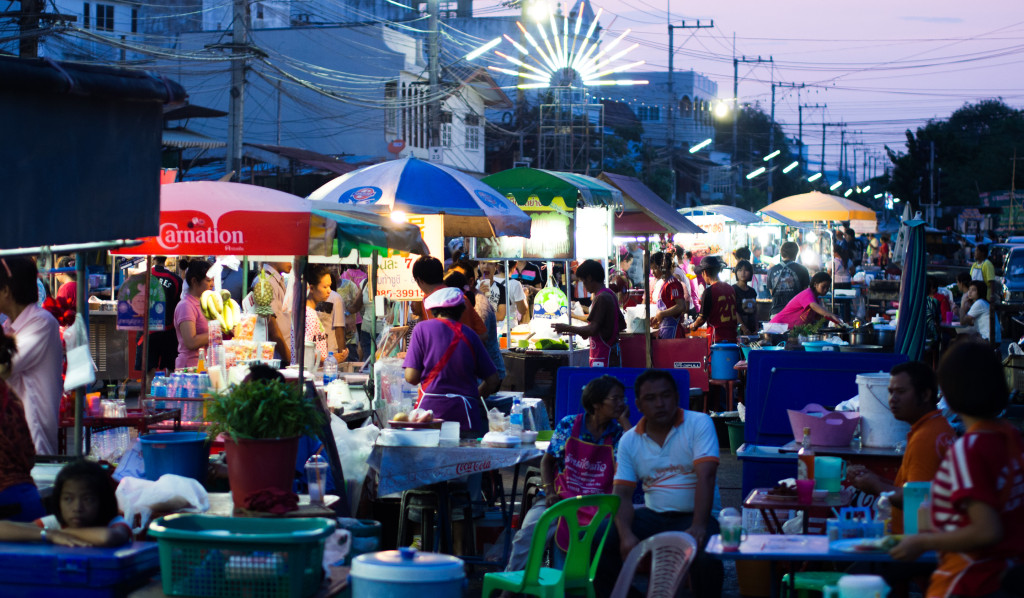
Kiosks are commonly found in malls, markets, and high-footfall shopping centres. They are especially popular among ecommerce brands entering physical retail for the first time.
This is often the easiest pop-up shop format for brands focused primarily on sales.
Why brands choose it:
- Lower build-out costs
- High pedestrian traffic
- Ideal for product sampling
- Minimal operational complexity
What to consider:
You’ll have limited branding control compared to a full storefront. Neighbouring tenants matter — proximity to complementary brands can boost performance.
3. Gallery, Event & Creative Spaces
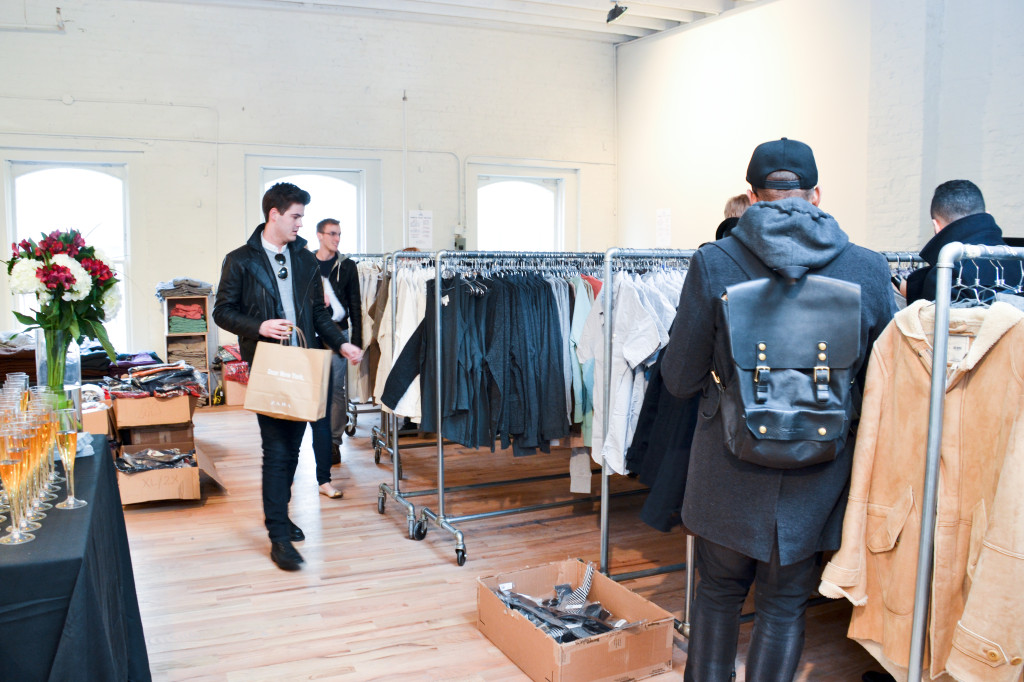
Gallery spaces, studios, and event venues are widely used for experiential pop-ups. These are common in creative districts and urban hubs.
If your activation includes installations, media, art, or community events, this format offers flexibility.
This is also the preferred format for brands launching art-led or culture-driven pop-ups. If that’s your focus, see our detailed guide on how to set up a pop-up art gallery.
Why brands choose it:
- Open layouts
- High design flexibility
- Strong PR and event potential
- Ideal for immersive experiences
What to consider:
Prime dates — especially during fashion weeks, holidays, or citywide events — book early.
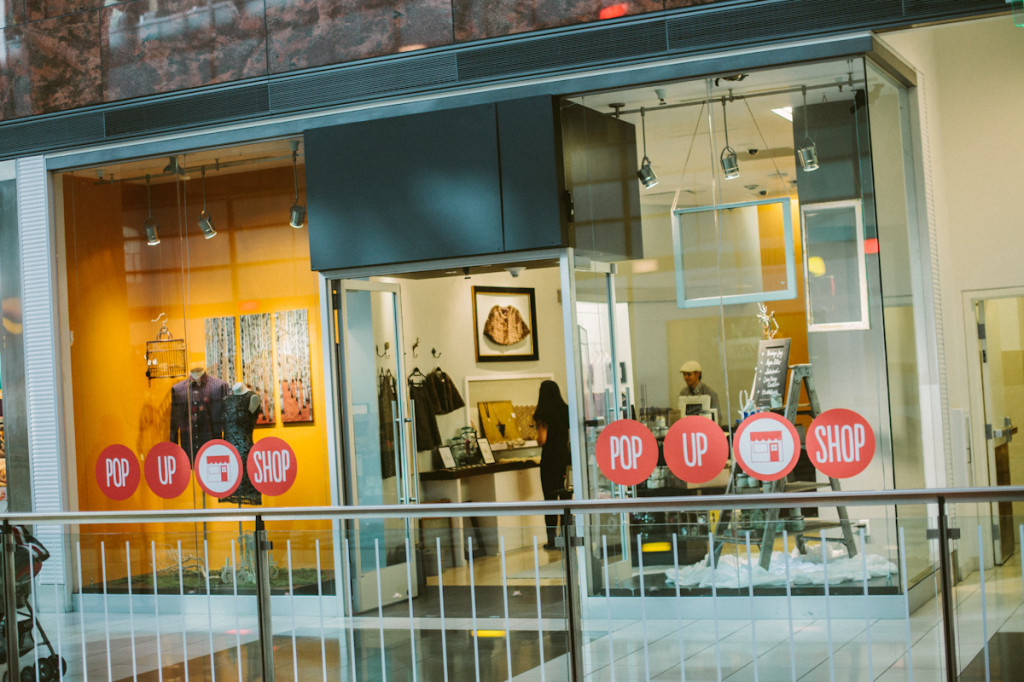
4. In-Line Shopping Centre Stores
These are traditional retail units located within shopping centres, positioned between anchor tenants.
They offer more space and branding control than kiosks, but typically at a lower cost than prime street-level storefronts.
Why brands choose it:
- Reliable mall foot traffic
- Controlled retail environment
- Short-term leasing options
- Predictable customer flow
What to consider:
Ask about foot traffic patterns, anchor stores, and corridor visibility. Placement inside a mall can significantly impact performance..
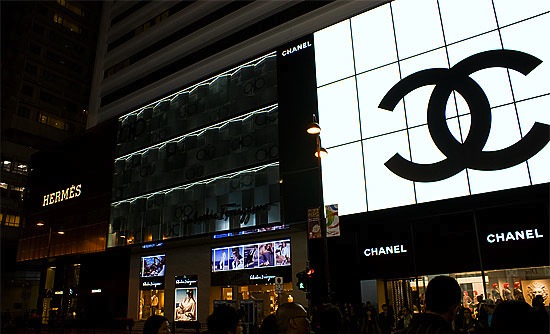
5. Vacant Street-Level Retail Space
This is the most recognisable and high-impact pop-up format: a standalone storefront on a major retail street.
It offers full creative control and maximum visibility — making it ideal for immersive brand storytelling, product launches, and high-profile pop-up shop examples.
Why brands choose it:
- Complete branding control
- Maximum design flexibility
- Strong street visibility
- Ideal for press and social amplification
What to consider:
Prime locations can command higher rents and require earlier planning.
Cities like
New York pop-up spaces
Paris pop-up spaces
London pop-up spaces
are global hotspots for standout pop-up shop examples and high-performing temporary retail activations.
How to Choose the Right Type of Pop-Up Shop
When deciding between types of pop up shop formats, start with strategy — not aesthetics.
1. Define Your Goal
Are you focused on:
- Brand awareness?
- Direct sales?
- Market testing?
- Product launch?
- Community engagement?
Your objective determines your format.
2. Consider Your Budget
If cost is your primary constraint, review our full breakdown of pop-up shop budgets.
Kiosks and shared spaces generally cost less than street-level storefronts.
3. Match Duration to Format
- Weekend activations → gallery/event space
- 1–4 weeks → kiosks or in-line stores
- Multi-month → street-level retail
If you’re unsure how long your activation should last, our guide on generating foot traffic can help you align timeline with marketing strategy: How to generate footfall to your pop-up store
4. Choose Location Based on Audience
Always start with where your audience already shops.
Global cities like New York, Paris, and London consistently deliver high-performance pop-up environments due to density, tourism, and media visibility.
Pop-Up Shops to Build Awareness & Enter New Markets
One reason pop-ups have grown so rapidly is their flexibility.
Brands use different types of pop-up shops to:
- Test international expansion
- Launch new product lines
- Create limited-time exclusivity
- Build community presence
- Reintroduce heritage collections
- Validate demand before opening permanent stores
If you’re exploring whether a pop-up makes strategic sense, read our breakdown of the business benefits of pop-up shops.
The right format reduces risk while maximizing impact.
Conclusion
There isn’t one “best” type of pop-up shop — only the one that best fits your goal.
Store-within-a-store formats reduce friction.
Kiosks maximize efficiency.
Gallery spaces enable creativity.
In-line stores offer stability.
Street-level storefronts create impact.
Pop-ups succeed when the format matches the objective.
If you’re ready to explore spaces, start by browsing available retail units in your target city and narrow by size, neighborhood, and duration.
FAQ: Types of Pop-Up Shops
What are the main types of pop-up shops?
The five most common types are store-within-a-store, kiosks, gallery/event spaces, in-line shopping centre stores, and vacant street-level retail spaces.
What is the easiest pop-up shop format for beginners?
Store-within-a-store setups and kiosks are typically the easiest and most cost-efficient formats for first-time brands.
How do I choose the right type of pop-up shop?
Start with your goal (sales, awareness, testing), then match your format to your budget, timeline, and audience location.
What are some successful pop-up shop examples?
High-performing examples often include immersive brand launches, limited-edition drops, collaborative activations, and experiential retail concepts in cities like New York, Paris, and London.
Do pop-ups work for online-only brands?
Yes. Pop-ups are frequently used by ecommerce brands to test physical retail, meet customers face-to-face, and gather real-world feedback.

- How Pandora Hosted a Press Day in Paris to Showcase Its New Collection - March 14, 2026
- How Bulletin Uses Pop-Up Stores to Build Its Brand in New York - March 13, 2026
- How MM.LaFleur Uses Pop-Up Stores to Grow Its Retail Strategy - March 12, 2026
Related posts:
 What is a pop-up shop? Everything you need to know to try short-term retail
 How to Set Up a Pop-Up Art Gallery: 8 Steps to Renting and Launching Your Exhibition
 10 Best Tips For Offline Retail Campaign Ideas
 How to set up a pop-up shop in 6 stages. Set yourself up for success with this handy checklist
 3 Ways Pop-Up Shops Raise Your Brand Profile