

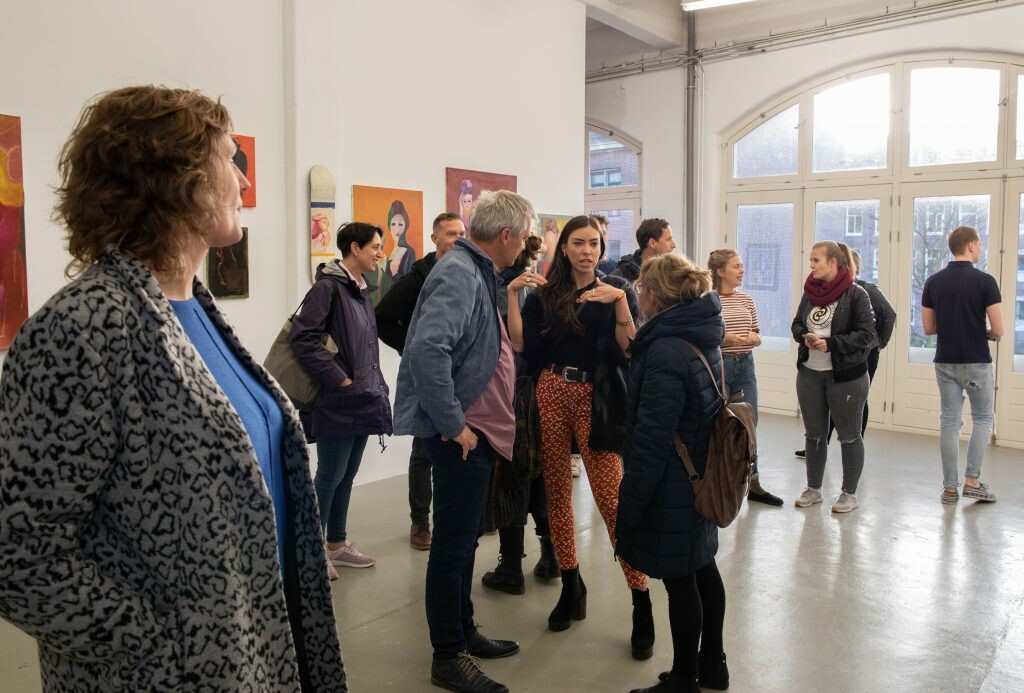
Pop-up art galleries are becoming an increasingly popular way for brands, artists, and organizations to bring creative projects directly into city communities. Through a traveling exhibition developed with the #DoSomethingForNothing campaign, TOMS launched a series of temporary art shows across Europe to highlight the stories of people experiencing homelessness.
The multi-city exhibition formed part of the Light + Noise platform created by Joshua Coombes, a UK hairdresser and founder of the #DoSomethingForNothing movement. The tour included events in several major cities including Manchester, Paris, Amsterdam, and Berlin. The pop-up art galleries in Paris and Amsterdam were hosted through Storefront, allowing the team to transform temporary spaces into exhibition venues for a day-long public event.
Today, pop-up art galleries are widely used by artists, brands, and cultural organizations to host exhibitions without the long-term commitment of a permanent gallery. Those looking for similar spaces can explore options for art galleries and exhibition spaces for rent.
The Concept Behind the Traveling Art Exhibition
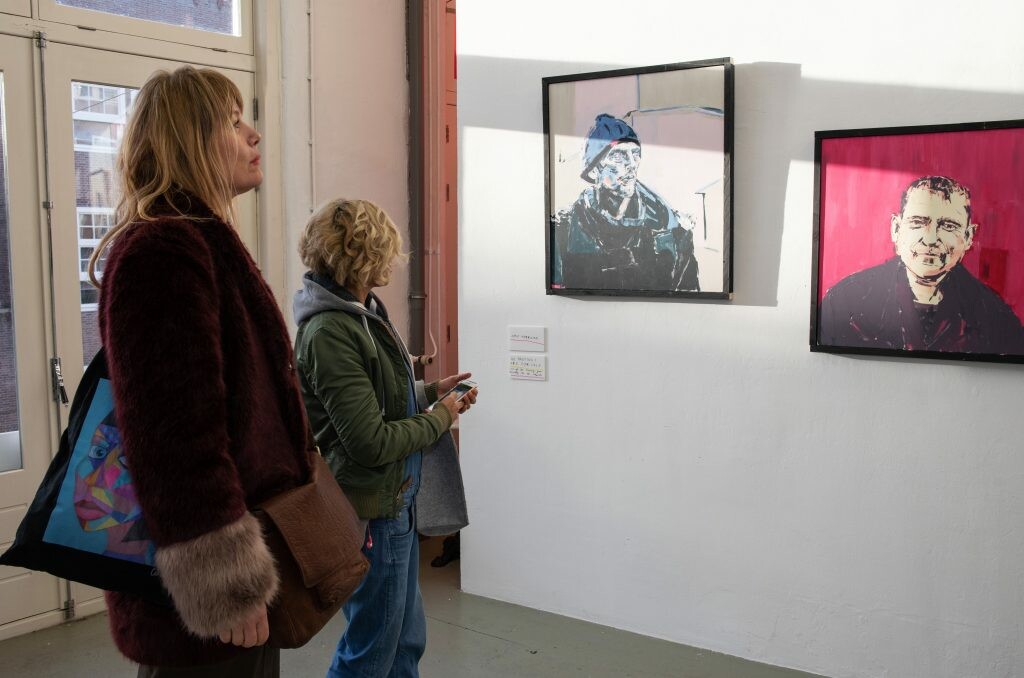
The exhibition was designed to amplify stories of homelessness through visual art and multimedia installations. By collaborating with local artists and community organizations, the project aimed to spark conversations and encourage greater awareness about homelessness in European cities.
Each pop-up exhibition presented artwork and multimedia content highlighting personal stories from people experiencing homelessness. The installations were designed to be accessible to the public and to encourage dialogue within the community.
Pop-up art galleries provided an ideal format for this kind of exhibition. Temporary spaces allow organizers to bring art directly into neighborhoods where people live, work, and gather, creating opportunities for wider public engagement.
Why Paris Was a Key Location for the Exhibition
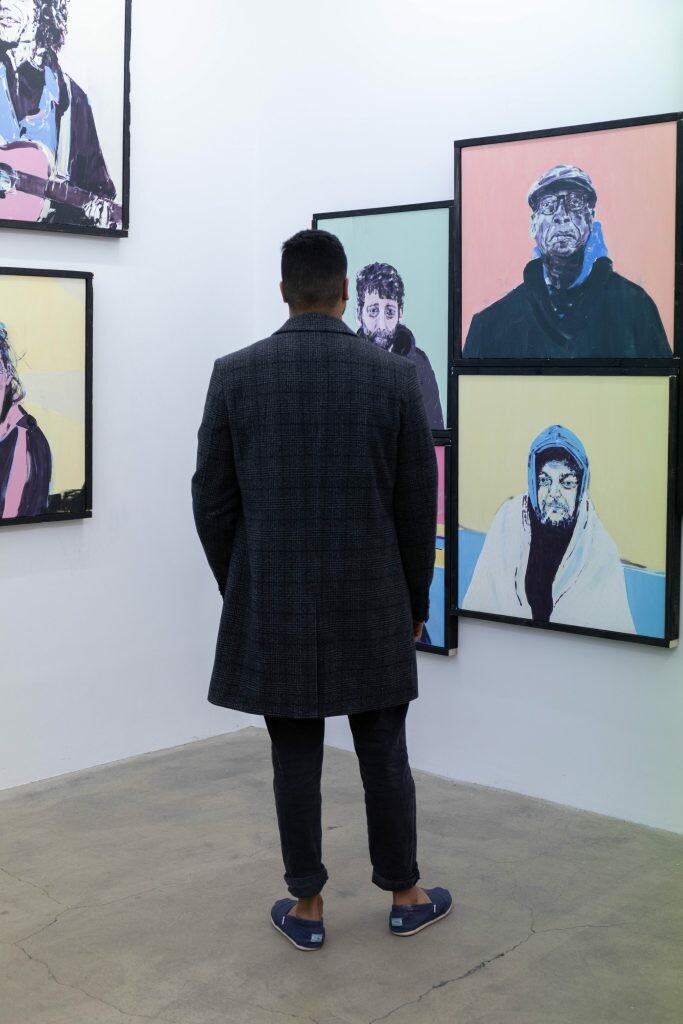
Paris played a central role in the exhibition tour. The event took place in Le Marais, one of the city’s most well-known cultural districts and a neighborhood famous for its concentration of contemporary art galleries.
The organizers specifically searched for gallery-style spaces that would allow them to display multiple artists’ work while accommodating visitors and community partners. The chosen venue offered two separate rooms, providing enough wall space for the installations and allowing the exhibition to flow naturally between sections.
For artists and curators looking to host similar projects, spaces such as art galleries in Le Marais offer ideal environments for pop-up exhibitions in the heart of Paris’s art scene. More broadly, a wide range of Paris art gallery spaces can be used for temporary exhibitions and cultural events.
Bringing the Exhibition to London and Other European Cities
While the exhibition tour included Manchester and Berlin, the project was heavily connected to the London-based #DoSomethingForNothing movement founded by Joshua Coombes.
London has become one of the most active cities in Europe for pop-up art galleries and temporary exhibitions. Artists, curators, and organizations frequently use short-term gallery spaces to host installations, community art projects, and experimental shows that might not fit within traditional gallery systems.
By moving between cities, the Light + Noise exhibition was able to reach different audiences and highlight the shared challenges faced across European urban centers.
Amsterdam also hosted one of the events during the tour. The team selected a gallery space located in a historic building that offered bright natural light and a strong visual atmosphere for the exhibition. Spaces such as Amsterdam art galleries for rent are often used for similar temporary exhibitions and creative projects.
How Pop-Up Art Galleries Help Build Community Engagement
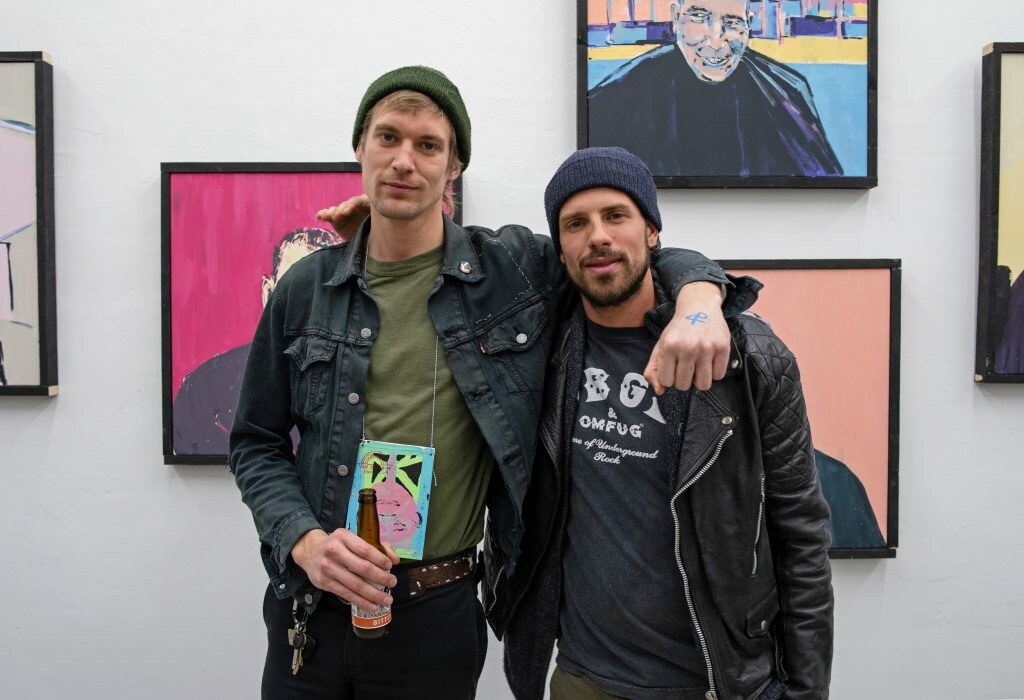
One of the main goals of the exhibition was to bring communities together around an important social issue. Each city partnered with a local organization working with people experiencing homelessness.
These partnerships ensured that the exhibitions reflected local experiences while supporting existing community initiatives. During the events, visitors could also purchase limited-edition prints of the artwork, with proceeds donated to the partner organizations to support their art programs.
Pop-up art galleries are particularly effective for this kind of initiative because they allow events to remain open and accessible to the public. Passersby could see the exhibition from the street and were encouraged to step inside and engage with the artwork.
Promoting the Exhibition and Reaching Local Audiences
Community engagement was central to the promotion of the exhibition. Organizers relied on a combination of social media, event listings, and local press to invite visitors to attend.
The events were also promoted through the networks of TOMS, Joshua Coombes, and the participating local organizations. This helped bring together different communities that were already engaged with the cause.
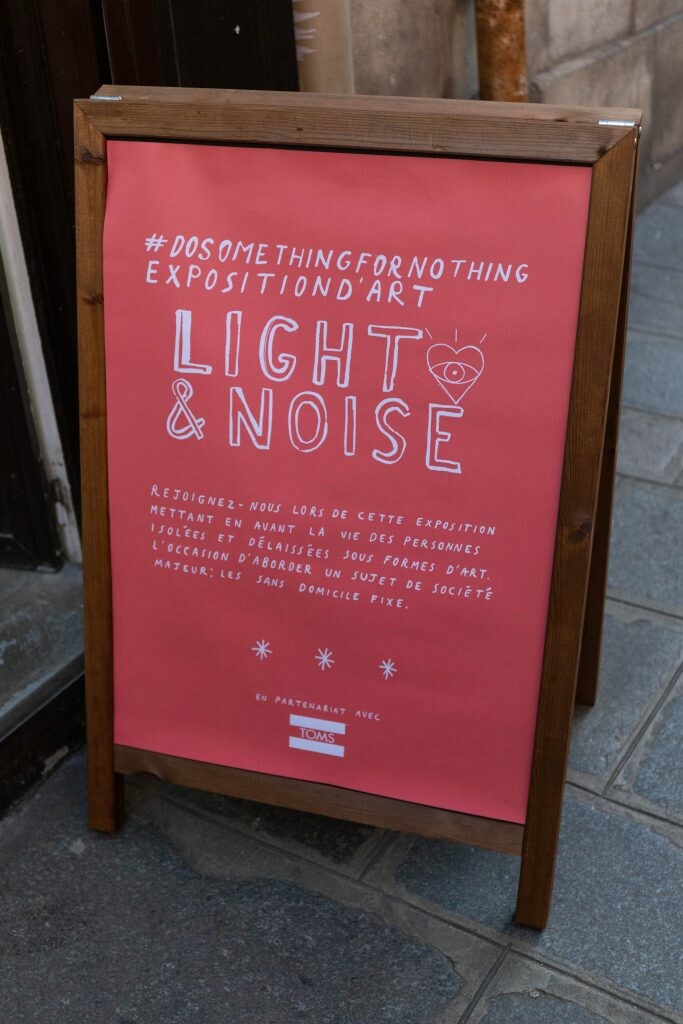
Outside the exhibition spaces, simple signage invited people walking by to visit the gallery. This approach ensured the exhibition remained open and welcoming to the broader public.
Measuring the Success of the Pop-Up Exhibition
Unlike commercial pop-up shops, the exhibition was not focused on sales metrics or traditional performance indicators.
Instead, the success of the project was measured by its ability to raise awareness and spark conversations about homelessness. The organizers hoped the exhibition would encourage visitors to engage with the issue, support community organizations, or take action in their own communities.
Even small moments of awareness or inspiration were considered meaningful outcomes of the project.
Why Pop-Up Art Galleries Are Growing Across Europe
Temporary gallery spaces have become an increasingly important tool for artists and organizations looking to host exhibitions in major cities like Paris, London, and Amsterdam.
Pop-up galleries allow curators to experiment with new formats, bring art into different neighborhoods, and reach audiences beyond traditional gallery visitors. They also provide flexibility for traveling exhibitions that move between cities.
For artists, curators, and brands interested in launching their own exhibition, temporary art gallery and exhibition spaces for rent offer a flexible way to host pop-up art shows, installations, and cultural events.
Pop-up galleries allow curators to experiment with new formats, bring art into different neighborhoods, and reach audiences beyond traditional gallery visitors. They also provide flexibility for traveling exhibitions that move between cities.
For artists and curators planning their own exhibition, this guide explains how to set up a pop-up art gallery and the key steps involved in launching a temporary gallery space.

Written by
Nicholas Roberts-Moore is Chief Marketing Officer at Storefront, based in London. He specializes in AI-powered marketing and the UK retail and real estate markets, helping brands turn short-term retail into measurable growth. A former journalist, he writes on pop-up strategy, retail trends, and the future of physical retail.
More from Nicholas Roberts-Moore →Related posts:
 How HEMA Used Pop-Up Stores in Paris and Amsterdam to Launch a Seasonal Campaign
 How L’Oréal Paris Used a Pop-Up Store During Fashion Week to Create a Beauty Experience in Paris
 How Sony Used a Pop-Up Experience in Paris to Showcase PlayStation VR
 Sharing is Caring: The Success of Shared Pop-Up Stores
 How Mugler Used a Pop-Up Store in Paris to Launch the Angel Muse Fragrance