

French online marketplace leboncoin created an immersive pop-up showroom in Paris to showcase how second-hand furniture and home goods can transform real living spaces. The temporary installation, known as “L’Appartement by leboncoin,” turned products from the digital marketplace into a fully designed apartment that visitors could explore in person.
The project demonstrated how pop-up spaces can bridge the gap between digital platforms and real-world experiences. Today, many companies combine online discovery with physical environments as part of their go-to-market strategy. Platforms like Storefront allow brands to quickly find locations for these activations, including pop-up shops in Paris and curated showrooms in Paris.
Turning a Marketplace Into a Physical Experience
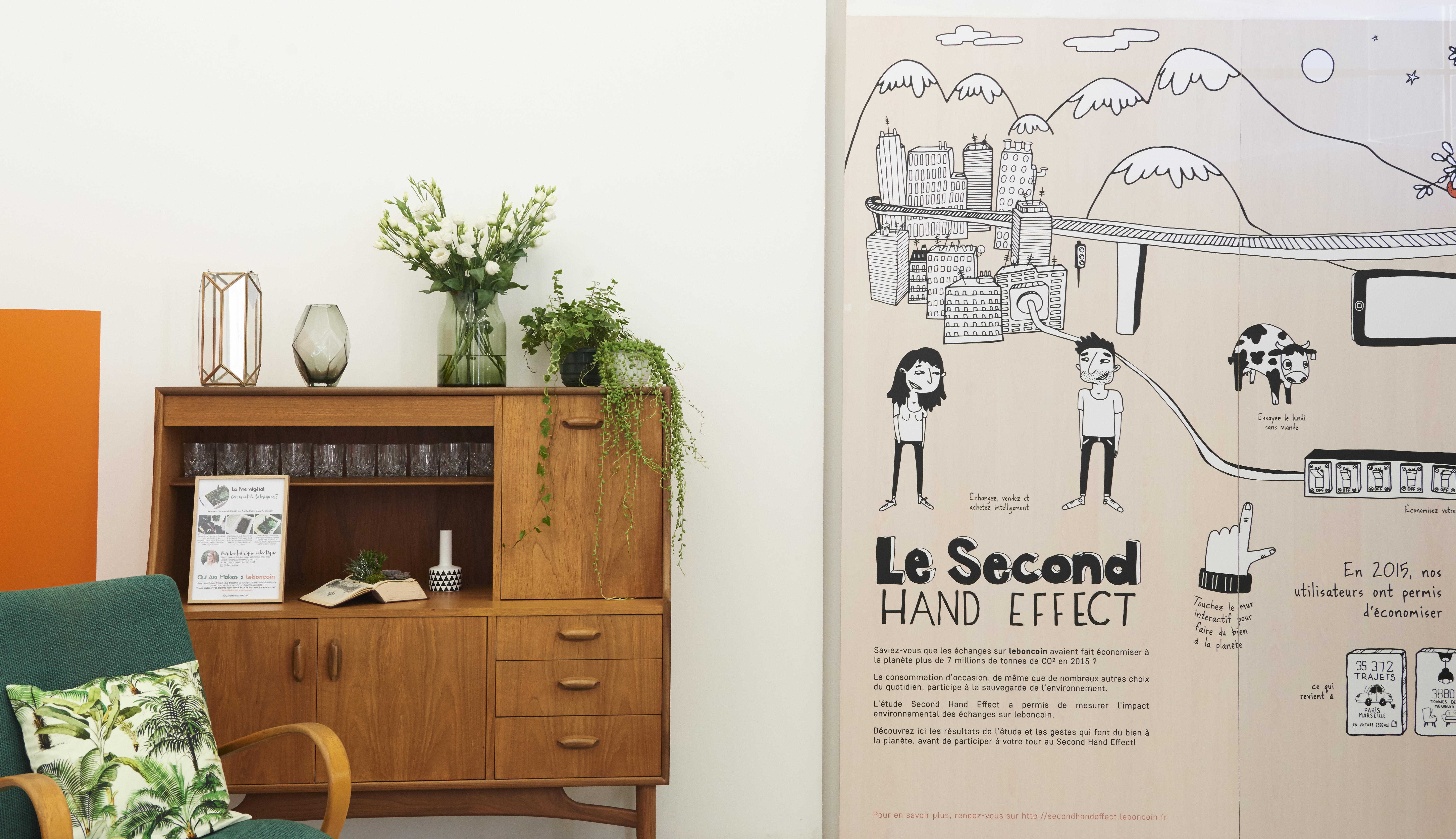
Leboncoin is one of France’s most widely used online marketplaces, where individuals and businesses buy and sell everything from furniture and electronics to cars and property.
With millions of listings available online, the platform already connects buyers and sellers across the country. The goal of the Paris pop-up showroom was to show how those products could come together in a real environment.
Rather than presenting items individually, the concept recreated an apartment furnished entirely with products sourced from the Leboncoin marketplace. Each room represented a different style or living space, allowing visitors to walk through the apartment and see how second-hand pieces could be used in everyday interiors.
The result was a physical translation of the online platform’s offering.
Brand + Space + Design: Building a Successful Pop-Up
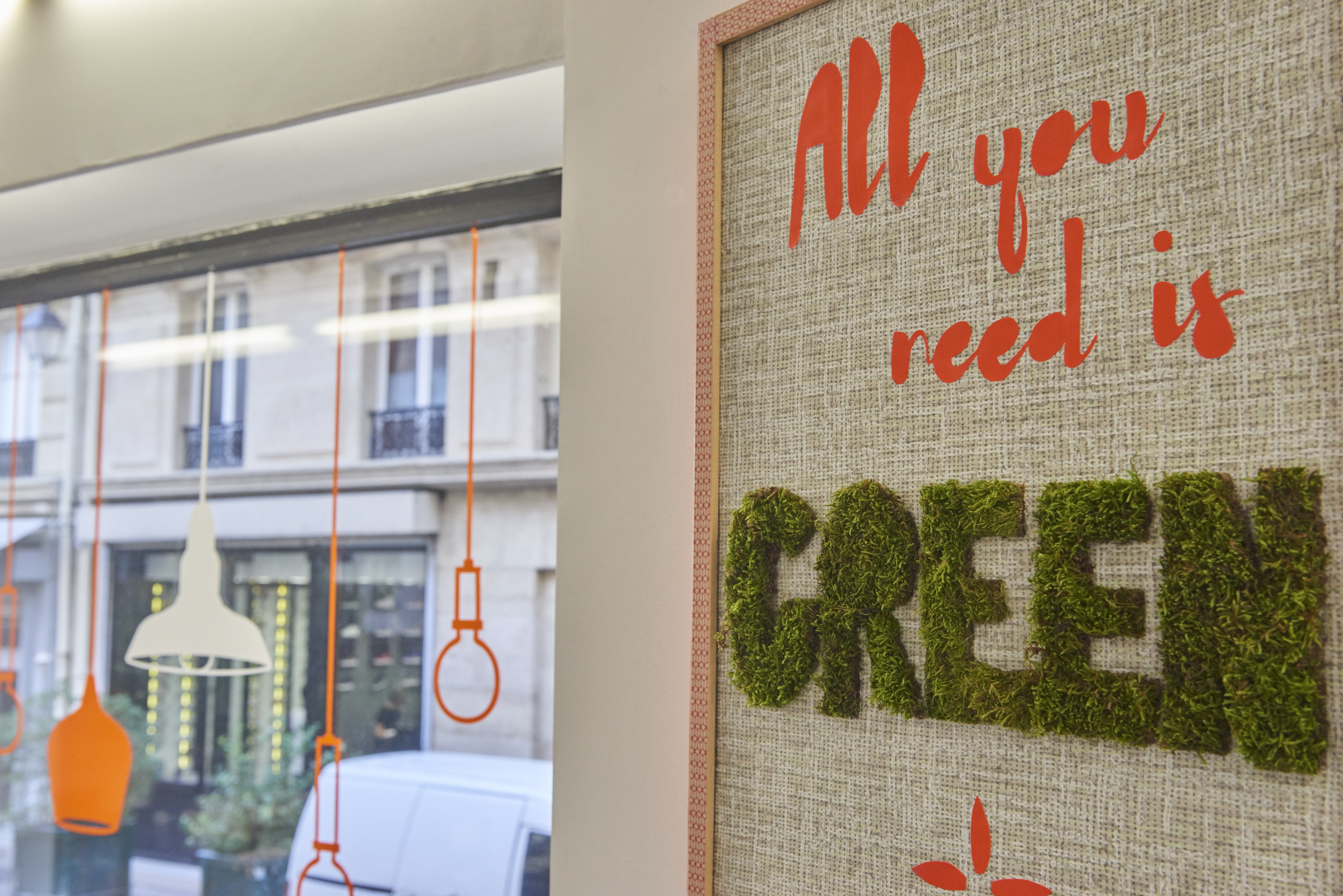
To bring the project to life, Leboncoin collaborated with creative agency Label Experience, which specialises in designing immersive brand environments.
Storefront helped secure the venue for the installation, ensuring the space matched the concept and could accommodate the apartment-style layout.
The showroom demonstrated how a well-designed pop-up can combine three key elements:
- A strong brand concept
- The right location and space
- A carefully designed customer experience
When these elements come together, temporary retail spaces become powerful storytelling tools.
A Showroom Built Around the Sharing Economy
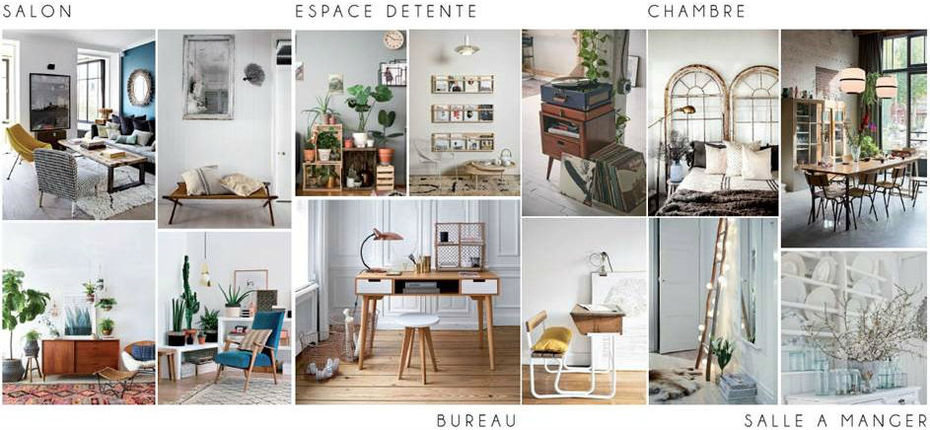
The concept of “L’Appartement” also reflected Leboncoin’s role in promoting second-hand consumption.
Growing awareness of environmental impact has increased interest in resale and reuse. Buying second-hand products helps extend the life of objects while reducing demand for new production.
Leboncoin highlighted this idea through a study exploring the “Second Hand Effect,” which looks at the positive environmental impact of purchasing pre-owned items.
By presenting these objects in a thoughtfully designed apartment setting, the showroom helped visitors imagine how second-hand furniture and decor can become part of a stylish modern home.
More Than a Showroom: Events and Community
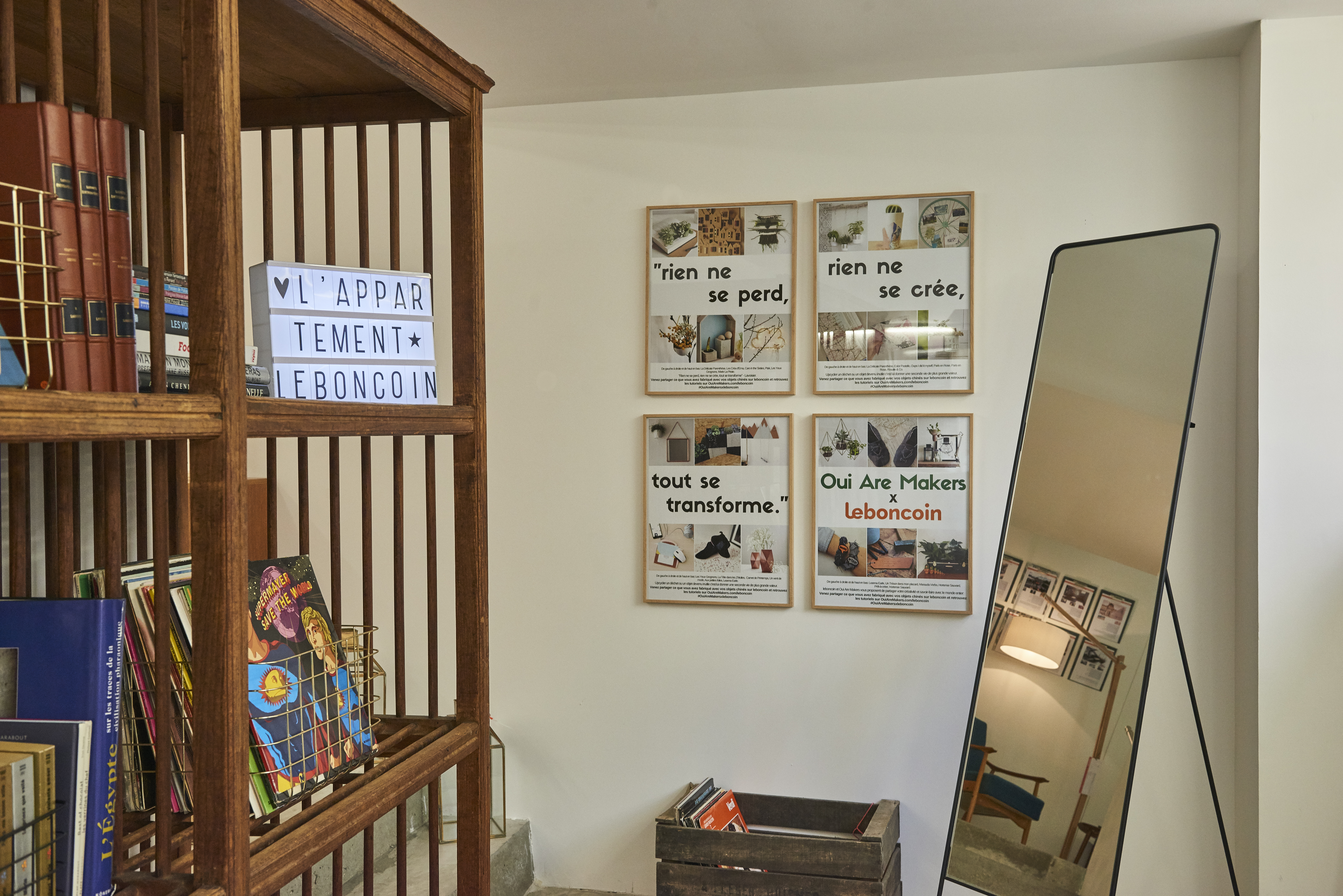
The pop-up space also hosted a series of events and interactive experiences.
Visitors could attend workshops, meet creators, and participate in community-focused activities organised throughout the activation.
Highlights included:
- DIY workshops organised by creative community Oui Are Makers
- Talks and advice sessions with industry professionals
- Spaces curated by influencers and cultural figures
These experiences turned the showroom into a lively destination where visitors could discover new ideas, meet others, and explore the Leboncoin community.
A unique twist was introduced at the end of the activation: while visitors could admire the furniture and decoration throughout the event, the items were only available for purchase on the final day.
Connecting Digital Platforms With Physical Spaces
The success of “L’Appartement by leboncoin” shows how online marketplaces can use pop-up showrooms to create tangible experiences for their audiences.
By transforming a digital platform into a physical environment, the brand allowed visitors to engage with its marketplace in a new way.
Leboncoin has explored several creative retail activations. Another example is this experiential retail concept: Leboncoin Launches an Experiential Pop-Up Store in Paris to Celebrate Second-Hand Toys.
Together, these projects demonstrate how temporary spaces can help digital platforms showcase their ecosystem, build community, and turn online discovery into real-world experiences.

Written by
Adrien Kerbrat is Chief Revenue Officer and co-founder of Storefront. With more than 10 years in commercial real estate, he is an expert on the French market and short-term retail across Europe. Based in Bordeaux and often in Paris, he writes on pop-up strategy, retail location, and the French retail landscape.
More from Adrien Kerbrat →Related posts:
 How Mugler Used a Pop-Up Store in Paris to Launch the Angel Muse Fragrance
 How L’Oréal Paris Used a Pop-Up Store During Fashion Week to Create a Beauty Experience in Paris
 How Sony Used a Pop-Up Experience in Paris to Showcase PlayStation VR
 Sharing is Caring: The Success of Shared Pop-Up Stores
 Rihanna and Puma Launch a Fashion Week Showroom in Paris