

Swiss fashion-tech startup SELFNATION set out to change the way people buy jeans. By combining fashion design with engineering, the brand produced custom-fit denim tailored to each customer using an automated and transparent manufacturing process.
To introduce this concept to a new audience, SELFNATION launched a pop-up shop in London. Located in the upscale Marylebone district, the temporary retail space allowed the online-first brand to connect with customers in person while showcasing its innovative approach to made-to-measure fashion.
Pop-up stores have become a common strategy for fashion brands looking to test new markets and create direct engagement with shoppers. Companies planning similar activations often explore available pop-up shops in London or browse retail locations in neighborhoods like Marylebone pop-up shops.
A Fashion-Tech Approach to Denim
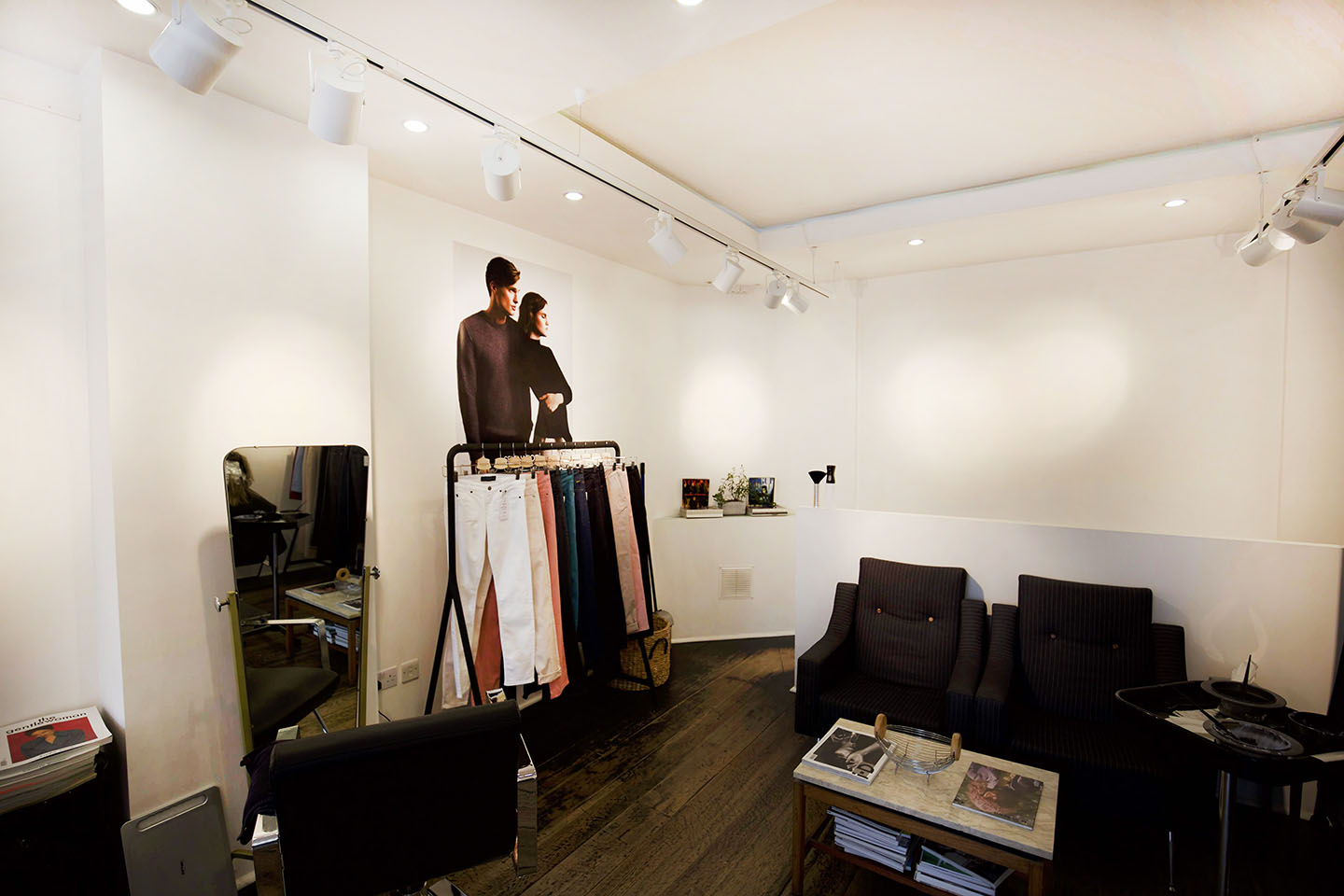
SELFNATION was founded around a simple idea: most people struggle to find jeans that fit properly.
According to the brand’s research, women often try on many pairs of jeans before finding one that works. SELFNATION developed a digital solution to simplify this process.
Customers entered a series of body measurements on the brand’s website and received a 3D visualization showing how each style would fit their body. Premium denim sourced from Milan was then manufactured into a custom pair of jeans and delivered directly to the customer.
This approach allowed the company to combine technology with traditional craftsmanship while reducing the inefficiencies often associated with mass-produced fashion.
Why an Online Brand Opened a Physical Store
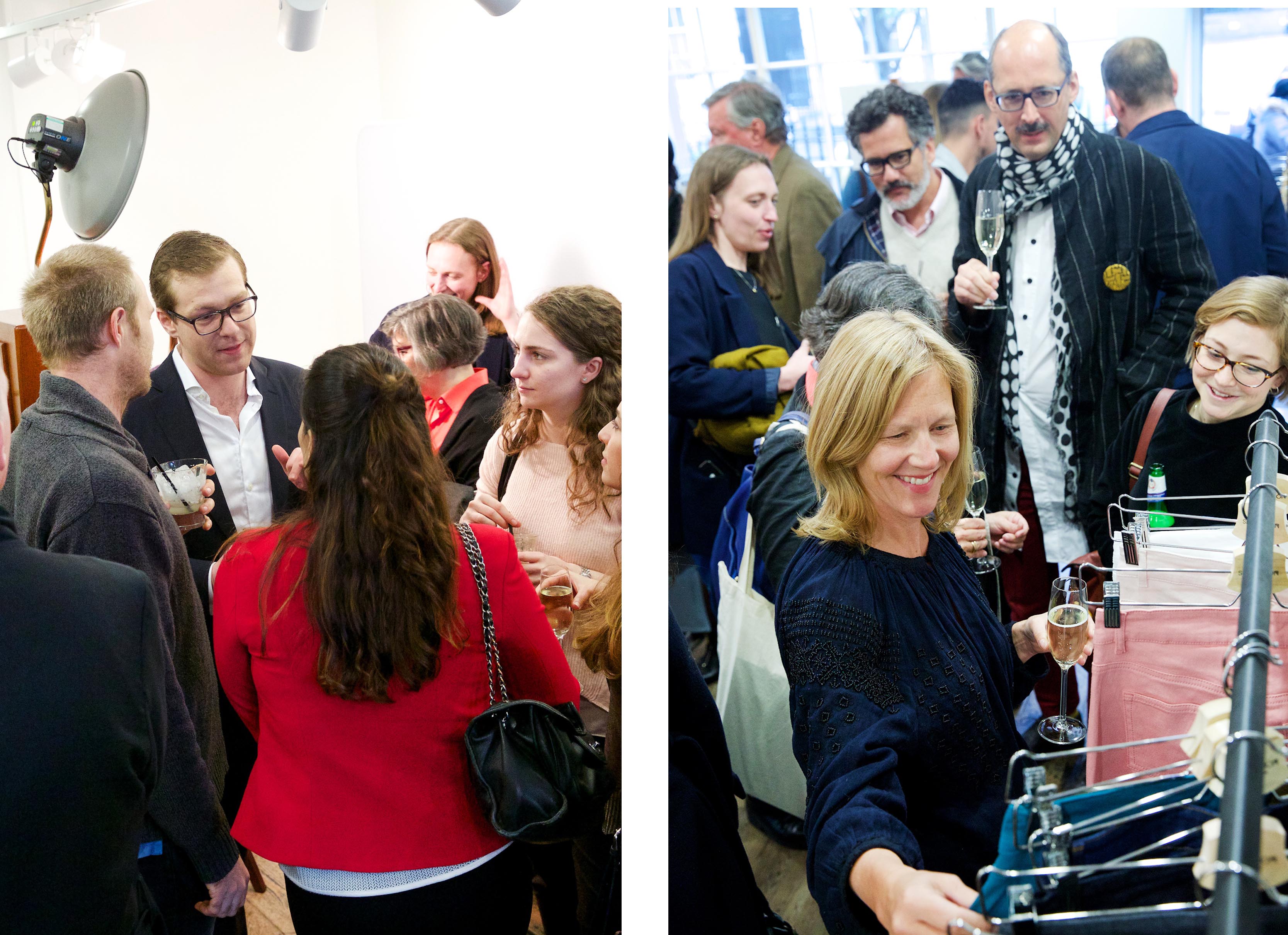
Although SELFNATION operated primarily online, launching a physical pop-up store helped bridge the gap between digital retail and real-world experience.
Founder Andrea Schuetz explained:
“I think it’s always important that customers have the option to see some samples, feel the fabric and get an idea of what it actually looks like in real life.”
For many shoppers, touching the fabric and seeing the product firsthand helped build confidence before placing a custom order online.
“I think having that physical connection as well as the online platform is really important because once they see it and they are convinced, they are less scared to order something solely online.”
Pop-up retail allows digital-first brands to offer this experience without committing to permanent stores.
Entrepreneurs exploring temporary retail strategies can learn more in this guide on how to start a pop-up shop in London.
How Customers Experienced the Product In-Store
Inside the SELFNATION pop-up store, visitors were able to explore the collection and learn about the brand’s custom-fit concept.
Staff members guided customers through the process while demonstrating the online platform using tablets and computers inside the store.
Andrea Schuetz explained:
“They interacted with the product very well. We always had someone there to explain the collections and the company. We also had an iPad or computer because we’re online based.”
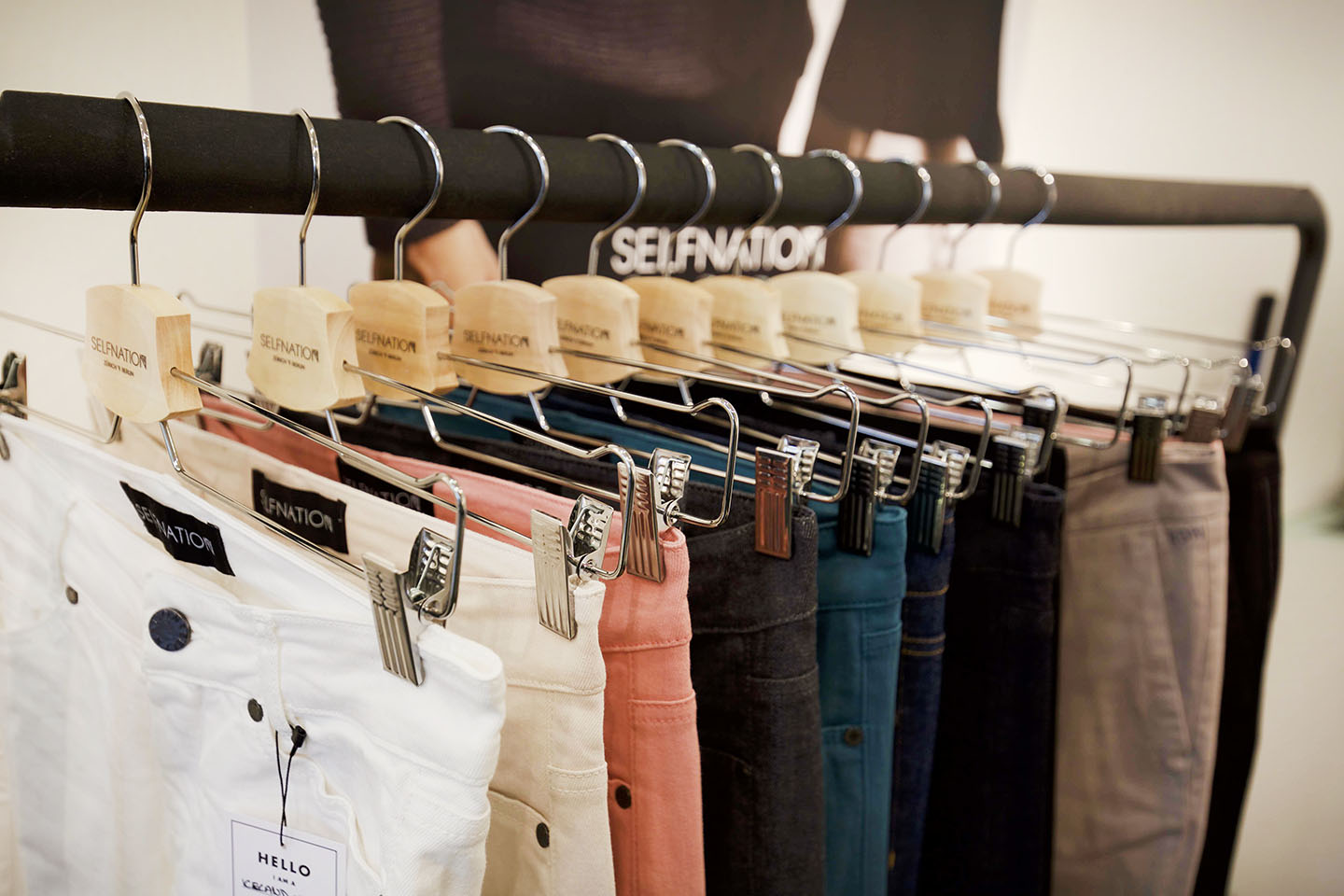
Customers could browse samples, examine the denim fabrics, and have their measurements taken in-store before placing their order online.
This hybrid approach allowed the brand to combine the efficiency of digital retail with the reassurance of an in-person shopping experience.
Why London Was the Ideal Locatio
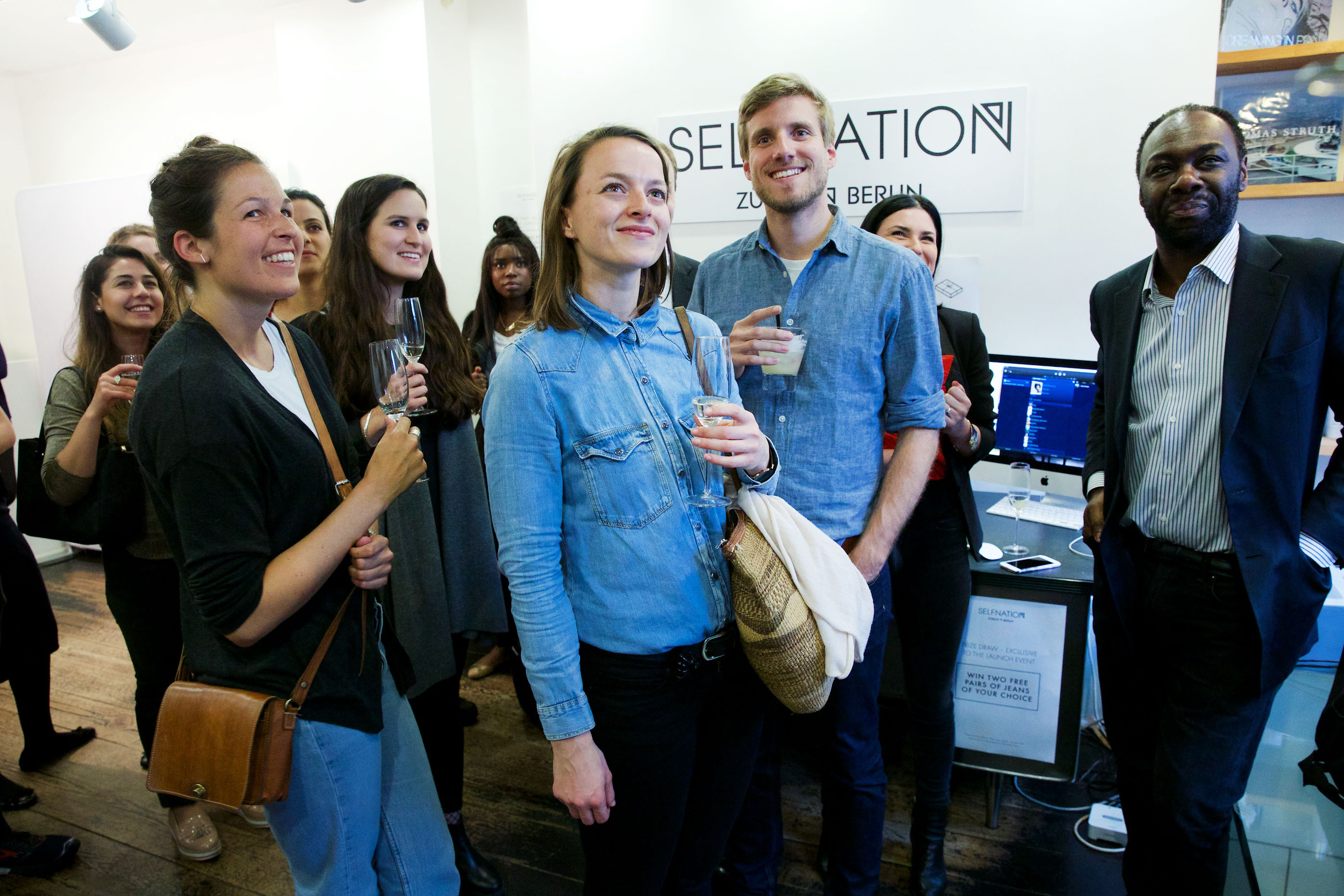
For SELFNATION, launching a pop-up in London provided access to an international and fashion-forward audience.
Marylebone is known for its independent boutiques and design-focused retail environment, making it an ideal location for introducing a new fashion concept.
Andrea Schuetz highlighted another advantage of opening a temporary store in the city:
“Especially in London you have so many tourists and people that go out exploring and they like to shop.”
Pop-up stores benefit from this steady flow of visitors, allowing brands to reach both local customers and international shoppers discovering the concept for the first time.
Testing Markets Through Temporary Retail
Temporary retail spaces also give brands the flexibility to test how their products resonate in different markets.
Andrea Schuetz noted that consumer preferences vary widely between countries:
“People are more open, more fashion forward and trend driven. Cultures differ and tastes differ, some things work in some countries and don’t in others so you just have to try and test the market.”
Pop-up stores provide an ideal platform for this type of experimentation, allowing brands to gather insights and refine their approach before expanding further.
The fashion industry has increasingly embraced temporary retail as a tool for launching collections, testing concepts, and creating immersive brand experiences. Many examples are explored in this overview of how the fashion industry is using pop-up stores.
A Concept That Contributed to the Custom-Fashion Movement
SELFNATION was part of a new generation of fashion-tech companies exploring how digital tools and automation could transform apparel production. By combining AI-powered pattern generation with sustainable manufacturing methods, the brand helped demonstrate how custom-fit clothing could be produced at scale.
Over time, the company partnered with a larger player in the custom-fashion space, allowing its technology and approach to continue evolving within a broader made-to-measure ecosystem. The collaboration enabled the concept behind SELFNATION to reach new audiences while contributing to the growing movement toward personalized and more sustainable fashion production.
Working with Storefront
The SELFNATION team worked with Storefront to secure the Marylebone location and manage the logistics of the pop-up store.
Andrea Schuetz described the experience positively:
“Great. You’ve been an absolutely perfect and amazing advisor and supporter and I really appreciate that. It went very smoothly and there were no problems with any of the logistics.”
With the right location, a strong team, and clear branding, the brand was able to create a retail experience that successfully introduced its concept to the London market.
For fashion startups and digital brands alike, temporary retail spaces continue to offer a powerful way to test new cities while connecting with customers face-to-face.

Written by
Adrien Kerbrat is Chief Revenue Officer and co-founder of Storefront. With more than 10 years in commercial real estate, he is an expert on the French market and short-term retail across Europe. Based in Bordeaux and often in Paris, he writes on pop-up strategy, retail location, and the French retail landscape.
More from Adrien Kerbrat →Related posts:
 How Carlo Felice Introduced Its Luxury Womenswear With a Pop-Up Shop in Chelsea
 How London Designer Lulu Sophia Is Scaling Her Pop-Up Showrooms
 Kodak Launches Experiential Pop-Up Store in London’s Soho
 How Button & Wilde Used a Pop-Up Shop in Soho to Showcase Personalised Products
 How Dr. Hauschka Celebrated Its 50th Anniversary With a Pop-Up Shop in London