Color can influence buying decisions before a customer ever speaks to a staff member.
In pop-up retail, where impressions are immediate, strategic color choices can increase attention, guide movement, and influence conversion. If you want the broader framework first, start with pop up store color psychology. This article focuses on practical ways to apply color to increase sales in your pop-up shop.
Why Color Affects Buying Behavior
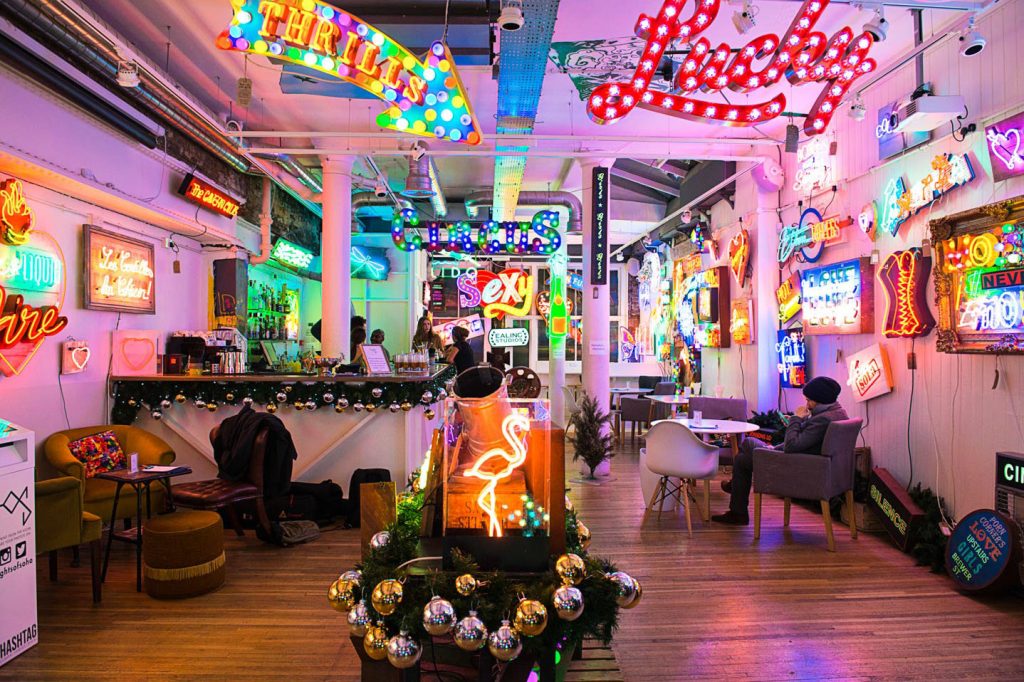
Store color is not just aesthetic — it changes how shoppers feel in the space, and that can affect purchase likelihood. In retail experiments, environmental color has been shown to influence consumer feelings and purchase-related outcomes (including differences between red- and blue-dominant environments). See the study “Environmental color, consumer feelings, and purchase likelihood” in Psychology & Marketing (Bellizzi & Hite, 1992). Environmental color, consumer feelings, and purchase likelihood.
At a practical level, this is why color can be used to:
- pull attention to key products
- make areas feel more energetic or more calm
- shape perceived value (premium vs approachable)
1. Use Accent Colors to Spotlight High-Margin Products
Contrast drives attention.
Instead of repainting everything, introduce accent color via:
- display back panels
- plinths or risers
- tabletop surfaces
- signage frames
Use your accent color where you want eyes to go first: new arrivals, bestsellers, bundles, or higher-margin items.
2. Create Visual Sales Zones With Color Blocking
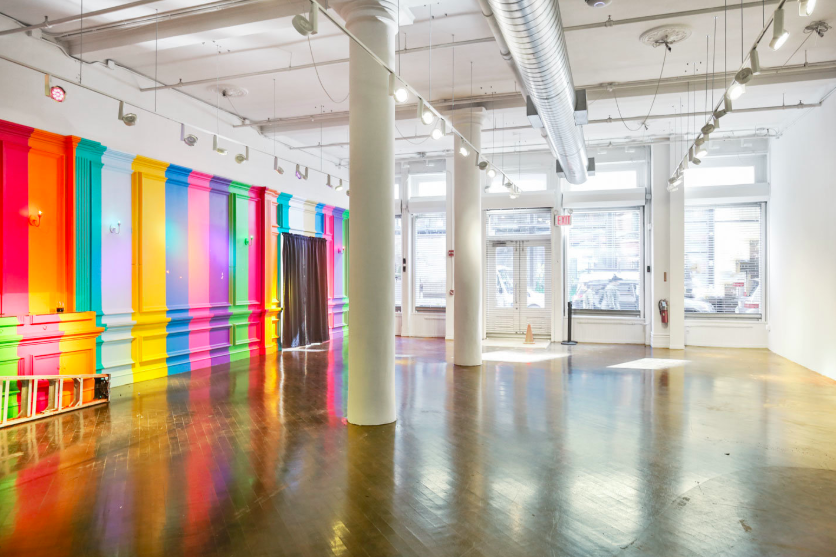
Color blocking defines zones without physical walls.
Examples:
- a bold “hero” wall behind limited drops
- a calmer palette around consultation areas
- a high-contrast zone around promos
This helps customers understand the store quickly, which matters in short-term retail.
3. Use Warm Colors Near Checkout for Impulse Triggers
Warm hues (reds/oranges) can add energy and urgency — useful near:
- checkout
- add-on items
- limited-time promos
The key is restraint. A small warm “burst” is usually more effective than saturating the whole space.
4. Use Cool Colors to Support Considered Purchases
Cool tones (blues/greens) tend to feel calmer and more stable.
They can work well for:
For brands
Ready to launch your pop-up?
Find and book your short-term retail space with Storefront.
Find a space- premium lines
- showroom-style browsing
- categories where customers need time to decide
5. Match Color Strategy to the Outcome You Want
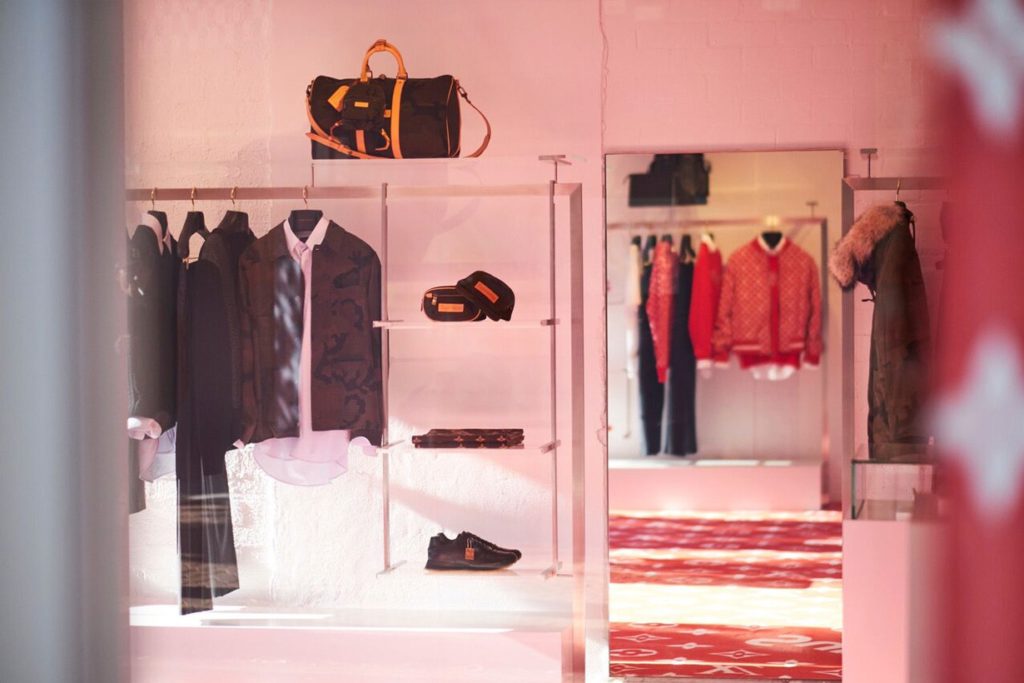
Color can support different commercial goals.
A useful way to think about it:
- Urgency / momentum: controlled warm accents
- Trust / confidence: cooler tones and clean neutrals
- Premium positioning: darker, restrained palettes + contrast
- Approachability: lighter palettes + softer accents
If you want a research-backed overview of how marketers use color to influence mood, waiting-time perception, and other behaviors, see Singh’s “Impact of color on marketing.” Impact of color on marketing (Singh).
6. Coordinate Color With Lighting
Color and lighting are inseparable.
Warm light can shift neutrals and make reds/oranges feel stronger; cool light can flatten warm palettes. Always test your palette in the actual space at the time of day you expect peak traffic.
If the unit is compact, your color + lighting choices also affect perceived space. You can cross-check your plan against small pop up shop design.
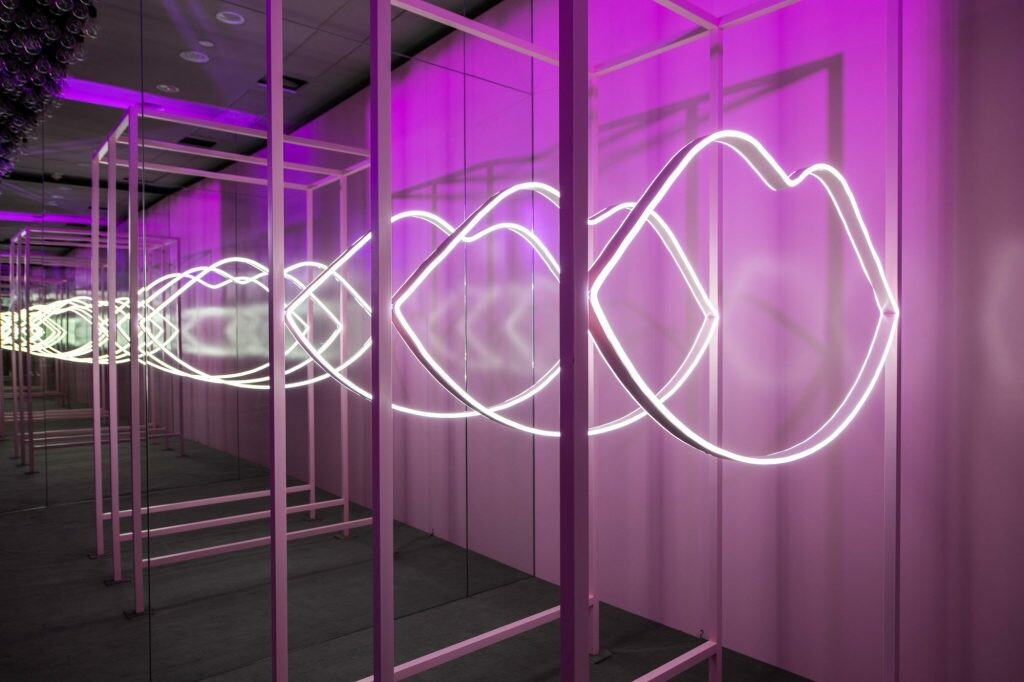
7. Build One “Photo Moment” Around Color
A single intentional color moment (a backdrop, a framed vignette, a feature wall) increases the chance of:
- customer photos
- user-generated content
- organic reach
This can matter as much as signage in high-competition districts.
8. Keep the Palette Simple
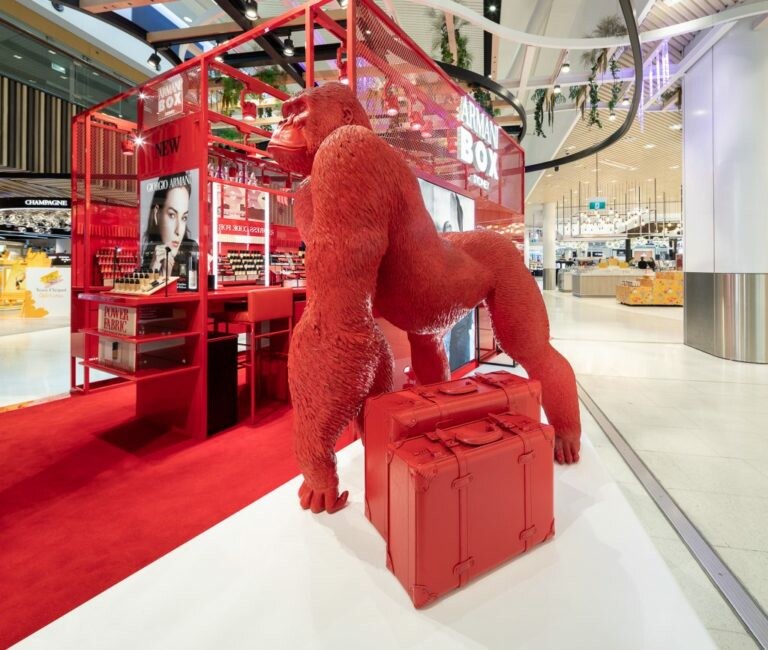
Too many colors create noise.
A strong retail palette is usually:
- one neutral base
- one primary accent
- one secondary supporting tone
This improves clarity and brand recognition.
Final Thoughts: Color as a Conversion Tool
Color isn’t cosmetic — it’s behavioral.
Used intentionally, it can:
- direct attention
- support perceived value
- create urgency at key points
- improve comfort where decisions happen
For the full framework behind these tactics, revisit pop up store color psychology.

Written by
Adrien Kerbrat is Chief Revenue Officer and co-founder of Storefront. With more than 10 years in commercial real estate, he is an expert on the French market and short-term retail across Europe. Based in Bordeaux and often in Paris, he writes on pop-up strategy, retail location, and the French retail landscape.
More from Adrien Kerbrat →