

Creating an Instagrammable pop-up shop is no longer optional. It is one of the most effective ways to drive visibility, encourage social sharing and extend the reach of your pop-up beyond its physical location.
A well-designed pop-up can turn visitors into promoters, generating organic content that amplifies your brand across social media.
This guide explains how to design a pop-up shop that people want to photograph, share and remember.
For a broader design strategy, see our guide to pop-up store design. For promotion tactics, see how to promote a pop-up shop on social media.
What makes a pop-up shop Instagrammable?
An Instagrammable pop-up is not just visually appealing. It is designed to create moments.
These moments:
- encourage interaction
- translate well into photos and video
- reflect your brand identity
- are easy for visitors to capture and share
The goal is simple. If someone walks into your space, they should immediately see something worth posting.
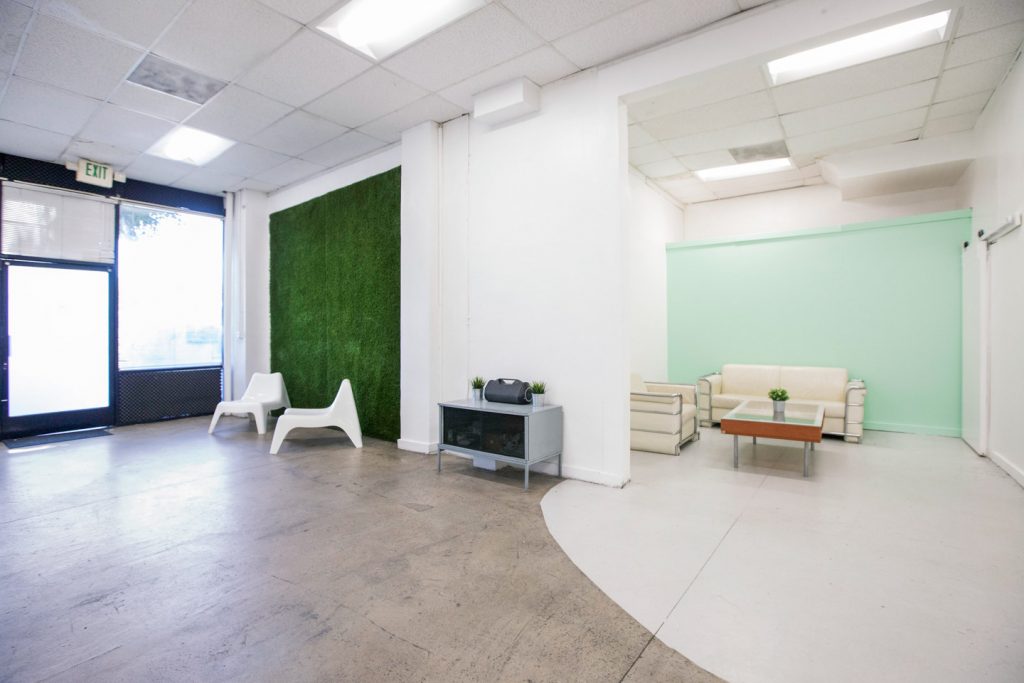
Create visual focal points that drive sharing
Every successful pop-up includes one or more clear focal points.
These are the areas people naturally gravitate towards when taking photos. Without them, visitors may enjoy the space but feel no reason to document it.
Simple but effective approaches include:
- bold signage or phrases
- neon lighting installations
- branded backdrops
- statement walls or colour blocks
Short, memorable phrases work particularly well because they communicate both visually and emotionally. They also make content instantly recognisable when shared online.
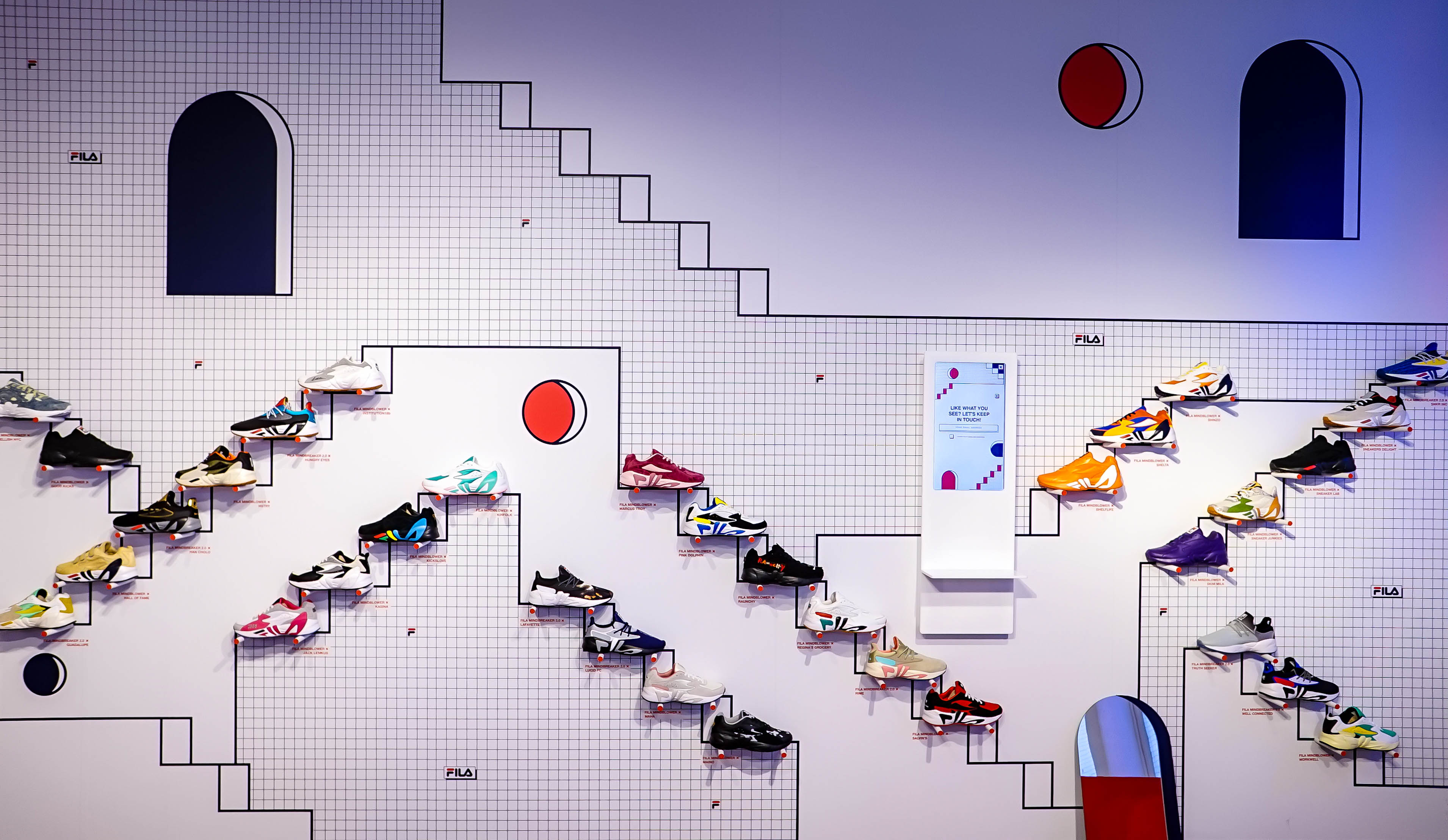
Design immersive and interactive experiences
The most effective pop-ups go beyond static design.
Interactive experiences encourage visitors to engage with the space rather than just observe it. This leads to longer dwell time and more content creation.
This could include:
- product demonstrations
- interactive installations
- workshops or live moments
- sensory experiences
Experiential retail concepts are especially powerful for social sharing. For example, Kodak’s pop-up in London combined product demos and workshops to create an environment where visitors actively engaged and shared their experience.
Design for user-generated content
If you want people to post, you need to design for it.
Think about how visitors will move through the space and where they are most likely to take photos. Then make those moments as easy and appealing as possible.
This includes:
For brands
Ready to launch your pop-up?
Find and book your short-term retail space with Storefront.
Find a space- good lighting
- clear photo spots
- uncluttered backgrounds
- strong visual contrast
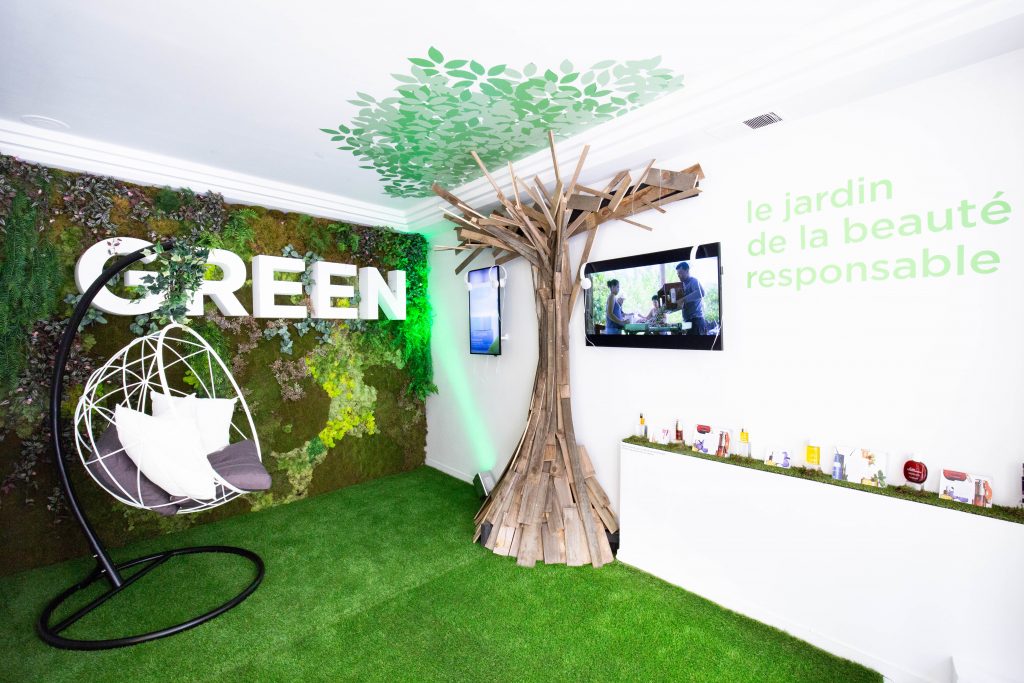
Pop-ups that are built around sharing tend to perform significantly better on social media. For example, Clarins’ “Color Garden” pop-up in Le Marais used multiple visually distinct zones to encourage visitors to explore, photograph and share the experience.
Use design to reflect your audience and culture
Your pop-up should resonate with your audience, not just your brand.
Tapping into cultural trends, aesthetics and behaviours can make your space more relevant and more shareable. This might include references to fashion, music, internet culture or local identity.
When a pop-up aligns with what people already care about, they are far more likely to engage and post about it.
Incorporate art and creative collaborations
Art plays a powerful role in creating Instagrammable environments.
Collaborating with artists or designers can elevate your space and introduce unique visual elements that stand out online. This could include murals, installations or product displays that double as art pieces.
These collaborations not only enhance the design but also expand your reach through shared audiences.
Create moments, not just spaces
The most successful Instagrammable pop-ups are built around moments.
This means thinking beyond layout and focusing on what people will experience, feel and share.
Strong examples of this include:
- playful, themed environments
- unexpected concepts
- emotionally engaging experiences
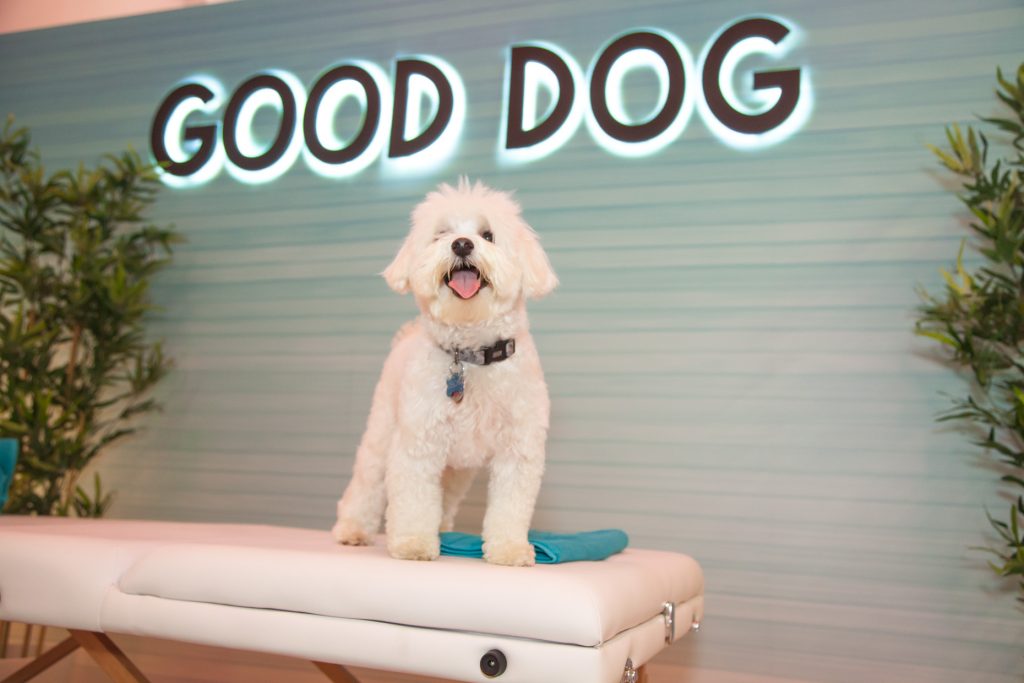
For instance, Dogville’s “Pup-Up” experience in New York created a concept centred around dogs and community, resulting in highly shareable content and strong engagement.
Align your space with your social media strategy
Design and marketing should work together.
An Instagrammable pop-up is most effective when it is supported by a clear social media plan. This includes:
- branded hashtags
- influencer visits
- content planning
- real-time posting
If you want to maximise performance, your design should actively support your social strategy.
Learn more in our guide to pop-up shop marketing.
Choose a space that enhances your concept
The space itself plays a major role in how Instagrammable your pop-up will be.
Features such as natural light, ceiling height, layout and location all affect how content is created and shared.
High-traffic, visually distinctive locations increase both footfall and social visibility.
Explore available spaces in major cities:
Bring your pop-up to life with the right space
The right environment can turn a good concept into a highly shareable experience.
Storefront helps brands find short-term retail spaces that support creative activations and experiential retail concepts.
Explore:

Written by
Nicholas Roberts-Moore is Chief Marketing Officer at Storefront, based in London. He specializes in AI-powered marketing and the UK retail and real estate markets, helping brands turn short-term retail into measurable growth. A former journalist, he writes on pop-up strategy, retail trends, and the future of physical retail.
More from Nicholas Roberts-Moore →Related posts:
 How to Use Color to Increase Sales in Your Pop-Up Shop
 Pop Up Store Layout: Floor Plans and Flow Strategies That Convert
 How to Design a Pop-Up Shop Layout That Creates an Unforgettable Experience
 Pop Up Store Display Ideas: 16 Creative Central Features That Attract Customers
 14 Cost-Effective Visual Merchandising Ideas to Elevate Your Pop-Up Store