

In-store events are one of the most effective ways to attract customers, increase foot traffic, and build long-term loyalty. As retail becomes more experience-driven, brands that invest in retail store events are seeing stronger engagement, higher conversion rates, and deeper customer relationships.
Whether you are planning a store opening event, a product launch, or an ongoing instore activity, events give customers a reason to visit, interact, and return.
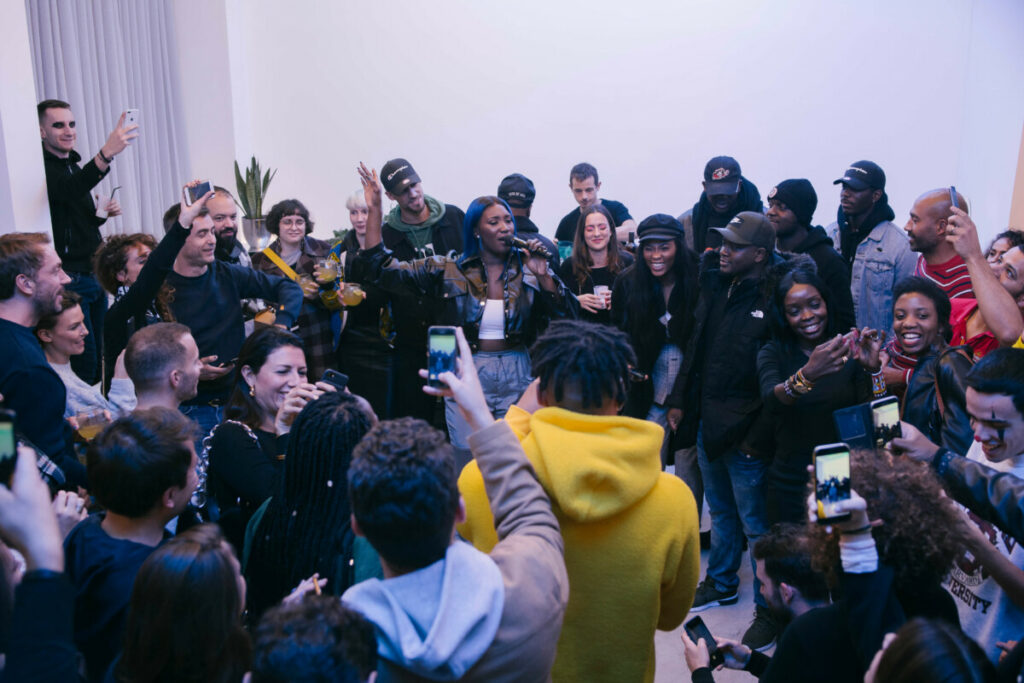
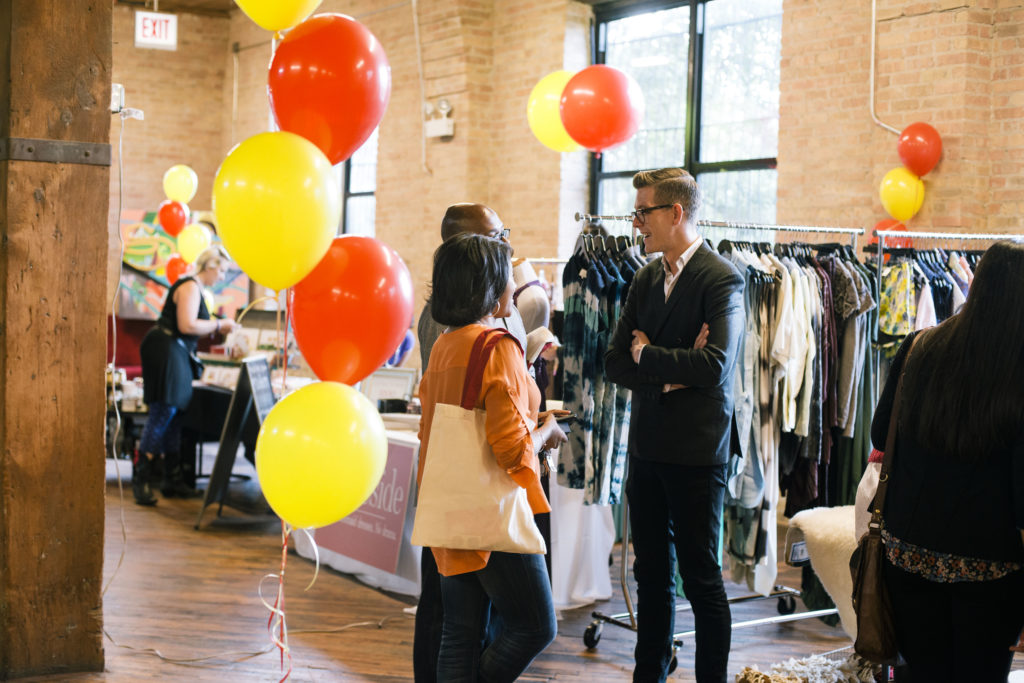
Why in-store events matter in modern retail
Retail has shifted from purely transactional to experiential. Customers are no longer just looking to buy products. They want to engage with brands in meaningful ways.
In-store events create this connection by turning a retail space into a destination rather than just a point of sale.
They help brands:
- Increase foot traffic and dwell time
- Build emotional connections with customers
- Generate word-of-mouth and social sharing
- Create repeat visits and loyal customers
For brands exploring physical retail, events are often a key reason to launch a pop up store. They provide a clear hook that turns online audiences into real-world visitors.
If you are new to this, this guide to what a pop-up shop is explains how brands use physical spaces to create these experiences.
Real example: using retail store events to build a local community
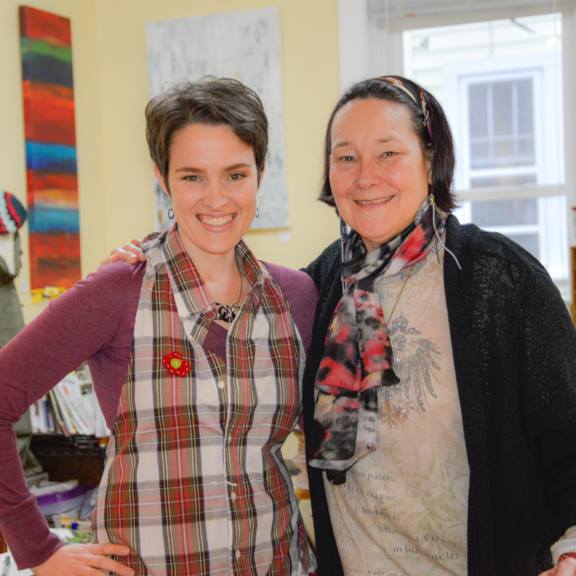
One of the most effective ways to understand the impact of in-store events is through real-world examples.
Salvaged Studio & Gallery in Milwaukee built its customer base through carefully planned retail store events led by founder Rachael Brooke Winkley. Rather than relying on traditional marketing, she focused on creating cultural experiences that brought people into the space and gave them a reason to return.
Launching with a store opening event
Rachael strategically planned her store opening event to coincide with the Westside Artwalk, a well-known local event that attracts large crowds each year.
By aligning her launch with an established community moment, she was able to generate immediate foot traffic and visibility. This approach is highly effective for any new retail space, as it allows you to tap into existing demand rather than building it from scratch.
Hosting niche in-store events
Following the launch, Salvaged Studio continued to grow through curated instore events such as featured artist exhibitions.
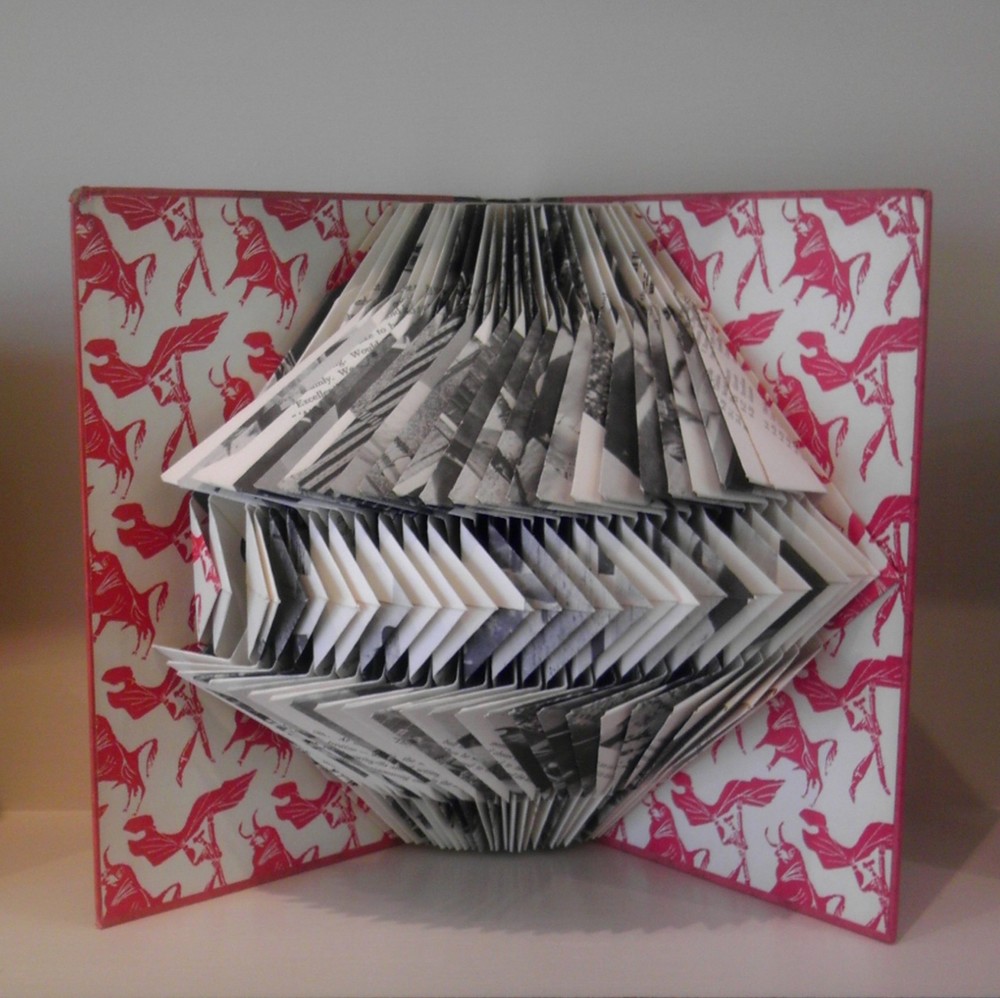
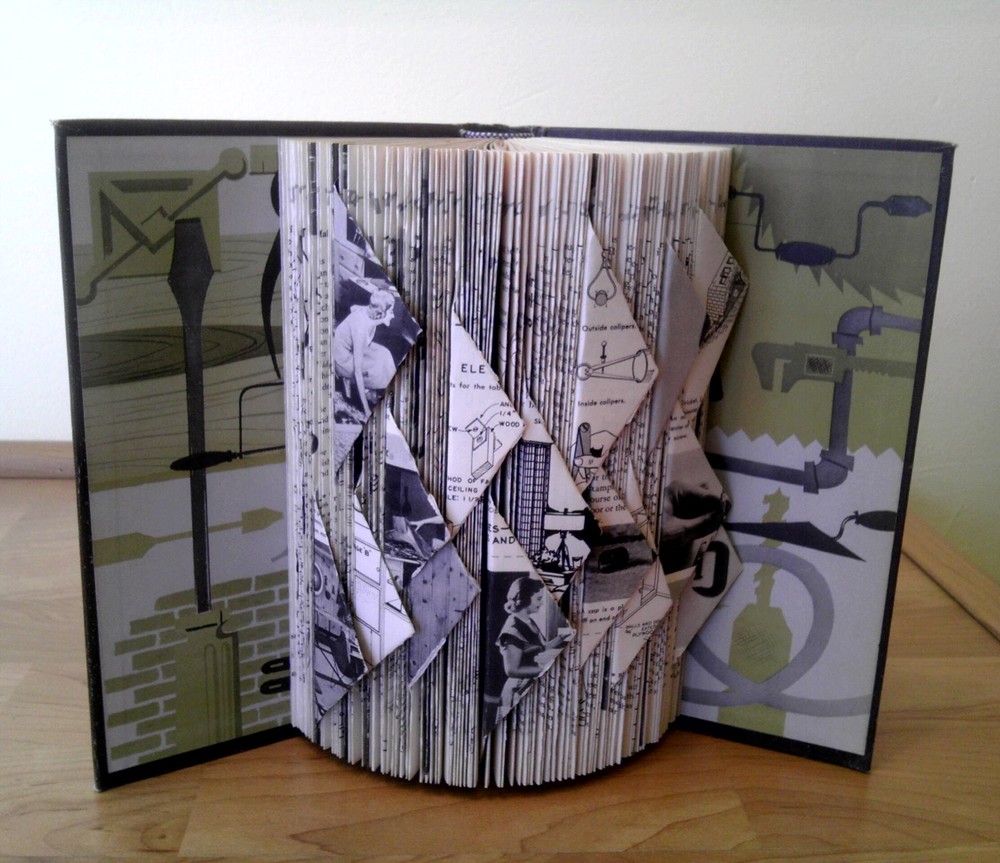
One of the most successful was an exhibition by artist Betsy Birkey, whose intricate book sculpture work drew significant attention. The event generated local media coverage and brought new audiences into the gallery, benefiting both the artist and the retail space.
These types of niche retail store events are particularly effective because they attract a targeted audience and create a strong reason for repeat visits.
Partnering to scale impact
Rachael also partnered with other local organizations to host events during American Craft Week, turning her space into part of a larger cultural experience.
This kind of collaboration allows brands to expand their reach, share audiences, and build stronger community ties. Over time, these recurring events helped establish Salvaged Studio as a destination within the neighborhood.
Types of in-store events that drive results
Not all in-store events are created equal. The most effective ones are aligned with your brand, audience, and goals.
Some of the most successful retail event formats include:
- Store opening events that create initial buzz
- Product launches that generate excitement and exclusivity
- Workshops and demonstrations that provide value
- Community events that build local engagement
- Collaborations with other brands or creators
Many ecommerce brands use these formats when transitioning into physical retail. If you want to explore this further, this guide to ecommerce brands opening pop-up shops explains how events play a key role in that strategy.
How in-store events build loyal customers
In-store events are not just about attracting customers. They are about turning visitors into repeat buyers.
Events create memorable experiences that go beyond transactions. When customers interact with a brand in person, they are more likely to form an emotional connection and return in the future.
This is especially important in an era where online competition is high and switching costs are low.
Events help build loyalty by:
- Creating personal interactions with the brand
- Encouraging community and belonging
- Offering exclusive experiences
- Reinforcing brand identity in a physical space
This is also where online to offline retail strategies come into play. Events allow brands to convert digital audiences into real-world customers and strengthen relationships across both channels.
Using pop-up stores to host retail events
Pop-up stores are one of the most effective formats for hosting in-store events.
They give brands the flexibility to test locations, concepts, and event formats without long-term commitment. This makes them ideal for both emerging brands and established retailers.
Brands can use temporary retail space for rent to launch short-term activations that focus entirely on experience and engagement.
In key cities, this approach allows brands to quickly access high-footfall locations:
These spaces are ideal for hosting events that drive both awareness and sales.
How to plan successful in-store events
A successful in-store event requires more than just opening your doors. It needs a clear strategy and purpose.
The most effective retail store events follow a few key principles.
First, they are designed around the target audience. The event should reflect what your customers care about and give them a reason to attend.
Second, they create a strong moment. Whether it is a launch, collaboration, or seasonal activation, timing matters.
Third, they connect online and offline channels. Promoting your event digitally ensures that your existing audience shows up in person.
Finally, they are repeatable. The best instore events become part of an ongoing calendar that customers anticipate.
If you are planning your first activation, this guide to how to open and run a pop-up store provides a practical framework.
Conclusion
In-store events are one of the most powerful tools in modern retail. They transform spaces into experiences, attract new customers, and build long-term loyalty.
Whether you are launching a store opening event, hosting a workshop, or running a series of retail store events, the goal is the same. Create meaningful interactions that bring customers closer to your brand.
In a retail landscape where experience matters more than ever, in-store events are not optional. They are a competitive advantage.
FAQ: In-Store Events
What are in-store events?
In-store events are activities or experiences hosted داخل a retail space to attract customers, increase engagement, and drive sales. These can include product launches, workshops, or community events.
Why are in-store events important for retail?
In-store events increase foot traffic, improve customer engagement, and help build brand loyalty. They turn a retail space into an experience rather than just a place to shop.
What is a store opening event?
A store opening event is a launch activation designed to introduce a new retail space to customers. It often includes promotions, experiences, or collaborations to attract attention and drive initial traffic.
What types of retail store events work best?
The most effective retail store events include product launches, workshops, collaborations, and community-focused events. The key is aligning the event with your audience and brand.
How do in-store events build customer loyalty?
In-store events create memorable experiences and personal connections with customers. This increases the likelihood of repeat visits and long-term engagement.

Written by
Adrien Kerbrat is Chief Revenue Officer and co-founder of Storefront. With more than 10 years in commercial real estate, he is an expert on the French market and short-term retail across Europe. Based in Bordeaux and often in Paris, he writes on pop-up strategy, retail location, and the French retail landscape.
More from Adrien Kerbrat →Related posts:
 What is a pop-up shop? Everything you need to know to try short-term retail
 How to Set Up a Pop-Up Art Gallery: 8 Steps to Renting and Launching Your Exhibition
 Offline Marketing Ideas for Pop-Up Shops
 The 5 Types of Pop-Up Shops (With Examples) & How to Choose the Right One
 Automotive Pop-Up Shops: How Car Brands Use Temporary Showrooms to Launch, Test and Sell