

Pop-up stores are often used to launch products, promote brands, or host events. But sometimes the most memorable pop-ups challenge expectations altogether. In Amsterdam, theatre-maker and performer Thomas Spijkerman opened a pop-up store that sold… nothing.
The concept was simple yet unusual: a completely empty store where visitors could come in and buy “emptiness.” The temporary space ran for one week in a busy retail district and quickly drew attention from curious passersby, tourists, and locals intrigued by the idea.
Creative projects like this highlight the flexibility of temporary retail spaces. Artists, brands, and entrepreneurs alike use pop-ups to experiment with new ideas and create experiences that capture public interest. Those planning similar activations can explore available Amsterdam pop-up shops to host short-term concepts and installations.
The Idea: Selling Emptiness
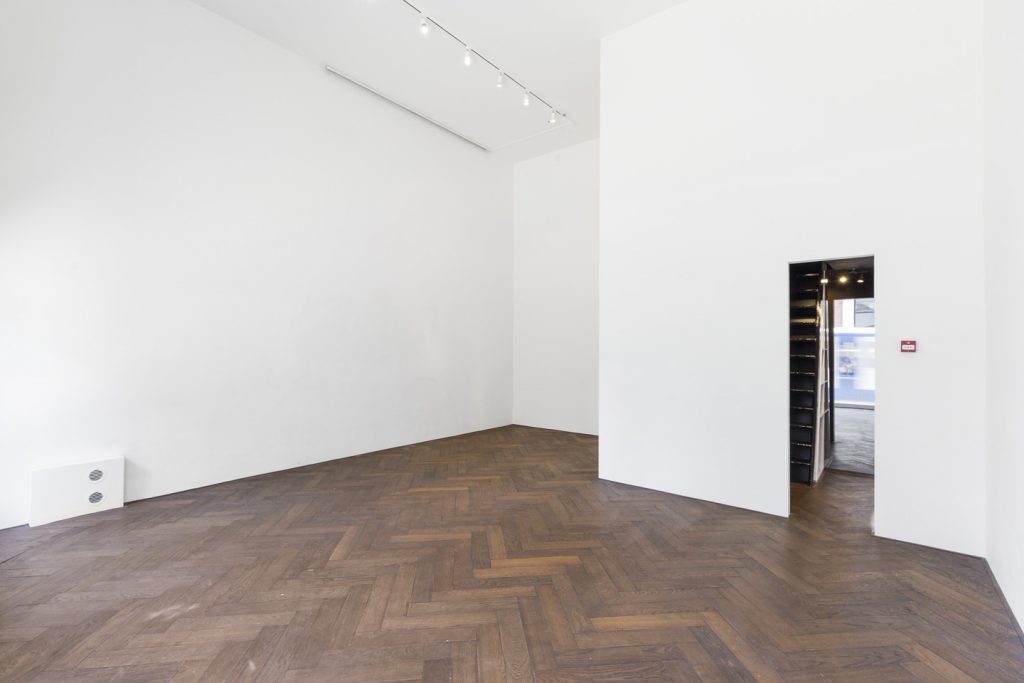
For Spijkerman, the empty shop was more than a marketing stunt. The concept was designed as a genuine exploration of how people relate to space, meaning, and value.
“I’ve always wanted to start a store that provides emptiness to the people as a goal unto itself,” he explained. “It’s important when people come in that they understand it’s not an art project. It’s a sincere attempt to sell emptiness and find the value in emptiness.”
The store itself contained very little. The space was deliberately kept minimal so visitors could bring their own ideas and interpretations to the experience.
In a city full of busy streets and commercial activity, the empty shop created a moment of contrast. A quiet, blank space where visitors could pause, reflect, and interact.
How Visitors Responded
The reactions from visitors varied widely. Some people entered the store curious about the concept and wanted to discuss how the idea worked. Others approached the experience on a more emotional or philosophical level.
“Some people wanted to connect emotionally and tell their whole life story,” Spijkerman said.
“People brought their own stories to the concept.”
The empty store effectively became a stage for conversation. Visitors often projected their own meaning onto the space, transforming the experience into something personal.
For some, emptiness represented calm or self-reflection. Others saw it as a creative experiment or simply a humorous concept.
Interestingly, the project also demonstrated how people respond differently to abstract experiences. Some visitors wanted to analyze the business model, while others engaged with the concept more intuitively.
Designing the Empty Space
Although the concept centered on emptiness, the location itself played an important role in attracting visitors.
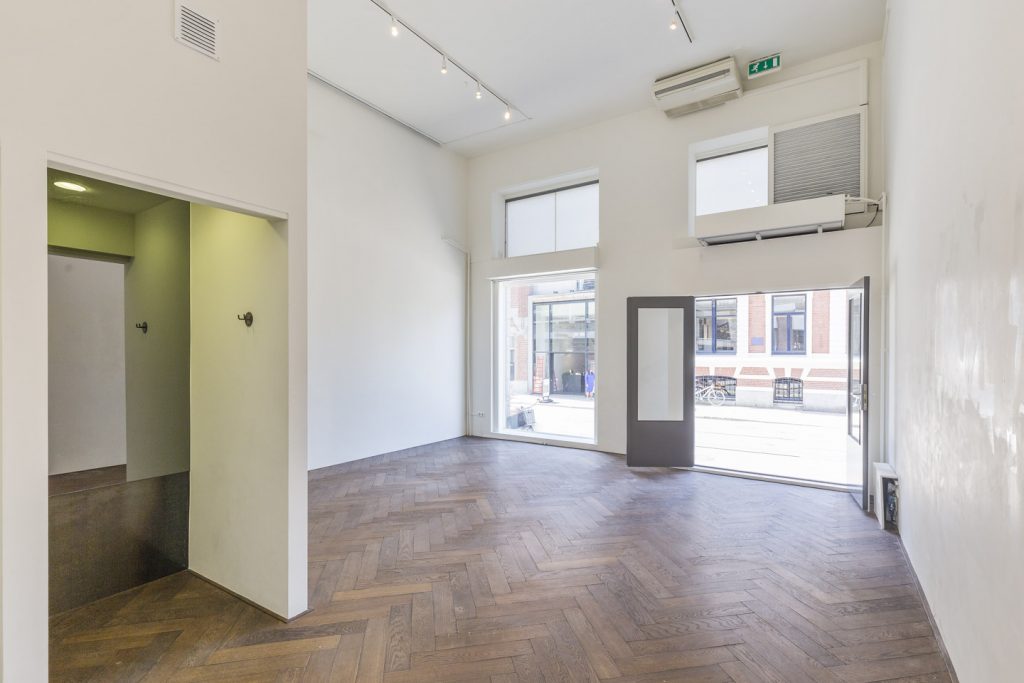
The pop-up store was located near one of Amsterdam’s busiest shopping streets, surrounded by major retail brands and high pedestrian traffic. Spijkerman deliberately chose a commercial environment to create contrast.
“I wanted to disrupt the surroundings because of the big retail names surrounding the space.”
The interior design was intentionally simple: white walls, high ceilings, and a black-and-white visual palette. This minimal environment allowed the focus to remain on the concept and the interactions happening inside the store.
The Experience Inside the Pop-Up
Visitors entering the shop encountered a different kind of retail experience. Instead of browsing products, they were invited to think about what emptiness meant to them.
For some, the space became a place to slow down and have conversations. For others, the experience was more playful.
Interestingly, people were able to purchase emptiness in symbolic quantities. During the week-long activation, the project generated around €180 in sales.
Spijkerman described these transactions as collaborative moments of imagination between seller and visitor.
“We had to imagine together how that person could use the emptiness. It became a game of fantasy.”
Why Unusual Pop-Ups Attract Attention
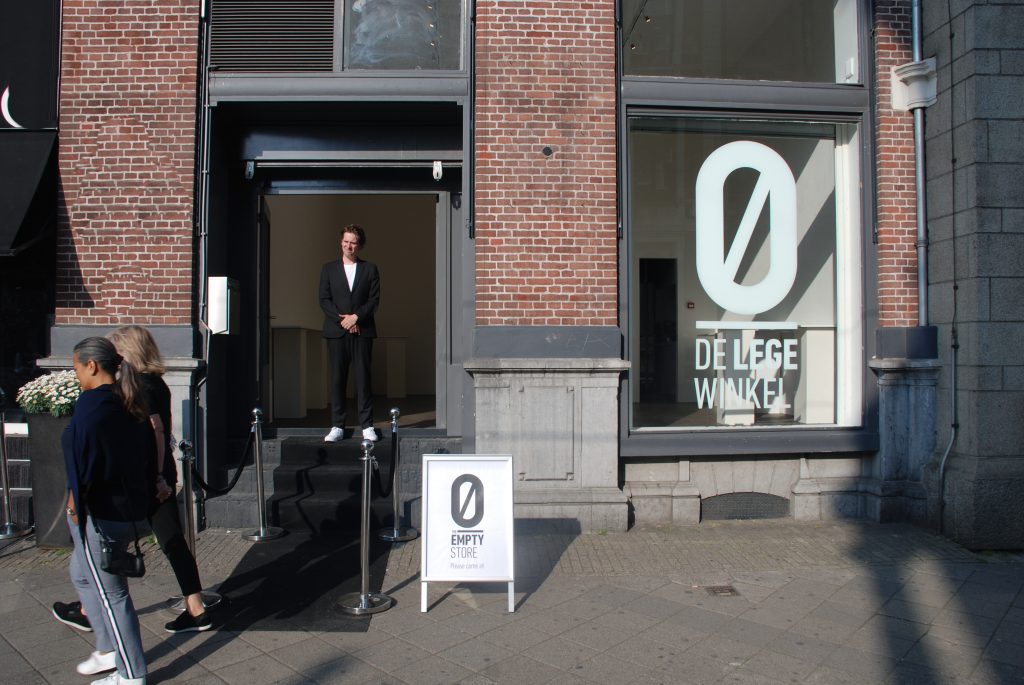
The empty shop demonstrates how creative concepts can draw large numbers of visitors even without traditional retail products.
Pop-up stores provide an ideal format for this kind of experimentation because they are temporary and flexible. Artists and creators can test ideas that might not work in permanent spaces.
Unique concepts also tend to generate curiosity and organic foot traffic. When people encounter something unexpected in a familiar retail setting, they are more likely to stop, explore, and share the experience with others.
Brands and creators looking to increase engagement can learn more about attracting visitors in this guide on how to generate footfall for your pop-up store.
The Future of Experimental Pop-Ups
After the success of the Amsterdam project, Spijkerman imagined expanding the concept further.
“I want to make it a chain,” he said. “The dream is to have a chain of empty stores around the world.”
Whether in major cities or small towns, the idea was that people everywhere could interact with the concept and interpret it in their own way.
The project highlights how pop-up stores can become platforms for creativity, conversation, and experimentation beyond traditional retail.
For brands, artists, and entrepreneurs interested in launching their own concept, temporary retail spaces for rent offer a flexible way to test ideas and create memorable experiences.
If you’re considering your own activation, exploring Amsterdam pop-up retail spaces is often the first step toward bringing a concept to life.

- How Knotel Used a Pop-Up Showroom in New York to Demonstrate Its Agile Office Concept - March 11, 2026
- How Amnesty International Used a Pop-Up Store in Amsterdam to Launch the “World Peace” Campaign - March 10, 2026
- How Brands Use Pop-Up Spaces During Art Basel Miami to Reach Global Audiences - March 10, 2026
Related posts:
 How Karvan Cévitam Created a Lemonade Pop-Up Bar Experience in the Netherlands
 Why Fashion Brand Teym Launches a Pop-Up Store in Amsterdam Every Year
 How TOMS Used Pop-Up Art Galleries in Paris and London to Host a Traveling Exhibition
 How ELLE Magazine Used a Pop-Up Event in Amsterdam to Launch a Special Edition
 How Amnesty International Used a Pop-Up Store in Amsterdam to Launch the “World Peace” Campaign