
Pop-up stores are often used by brands to amplify seasonal campaigns, test new markets, and create memorable retail experiences. Dutch retailer HEMA demonstrated this strategy by launching two pop-up stores simultaneously in Paris and Amsterdam, both centered around a playful Easter-themed concept.
By activating temporary retail spaces in two major European cities at the same time, the brand created a coordinated campaign designed to generate buzz, increase brand awareness, and bring customers into an immersive retail experience.
Brands planning similar seasonal activations can explore pop-up shops in Le Marais or browse pop-up retail spaces in Amsterdam for short-term campaigns and brand experiences.
Using Pop-Up Stores to Launch a Seasonal Campaign
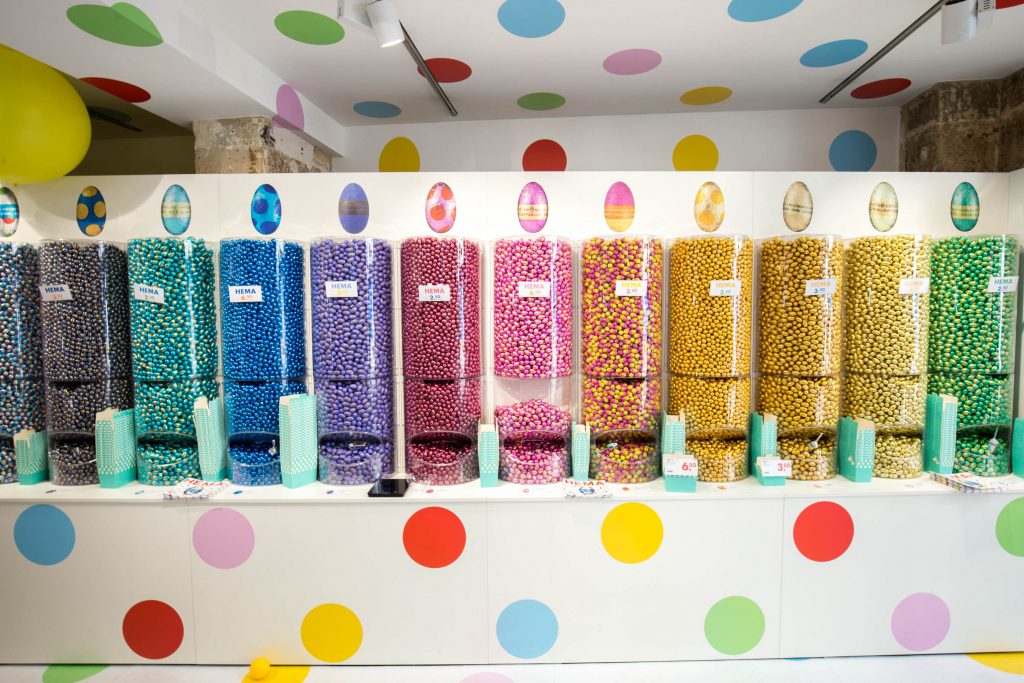
The concept behind HEMA’s temporary stores revolved around the Easter season. The pop-ups were designed to highlight a new range of chocolate eggs while creating a playful, family-friendly retail experience.
Seasonal pop-up stores like this allow brands to build excitement around limited-time products while encouraging customers to visit a physical location.
The temporary nature of the store adds urgency, which often helps attract visitors who are curious about the experience before it disappears.
For companies considering similar activations, temporary pop-up store rentals provide a flexible way to test creative concepts tied to holidays or cultural moments.
Creating a Fun, Shareable Retail Experience
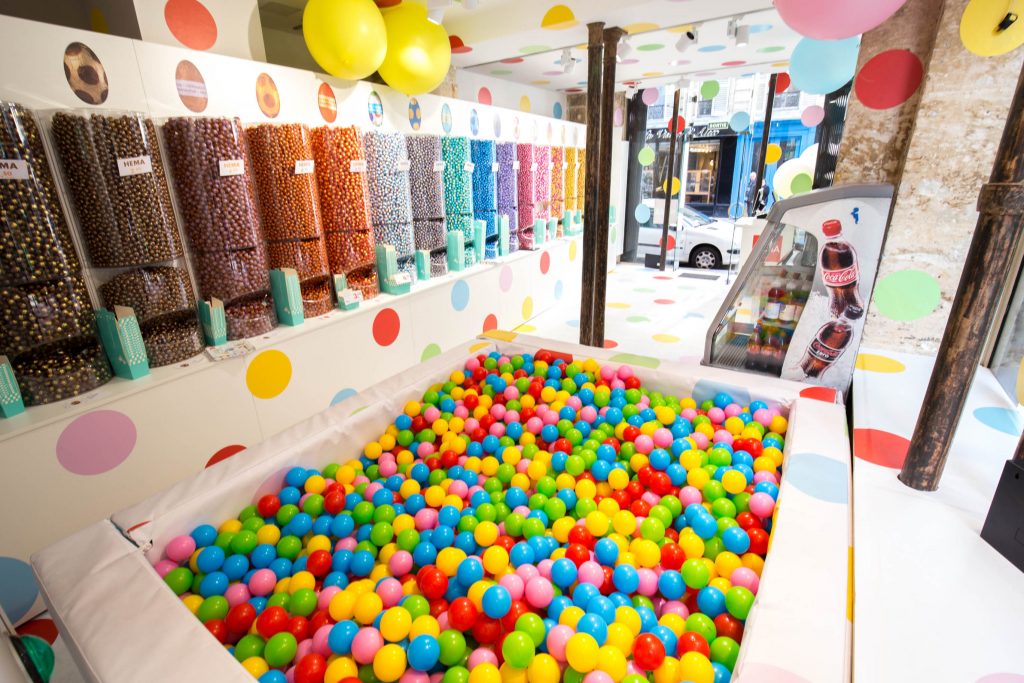

HEMA’s Easter pop-up stores were designed to deliver a lighthearted and interactive experience. Visitors could taste different chocolate egg flavors, explore colorful displays, and take photos in playful installations created specifically for the campaign.
One of the highlights was a ball pool installation, encouraging visitors to reconnect with childhood memories and share the experience on social media.
The brand focused heavily on visual storytelling. The bright colors, playful design, and interactive elements were intentionally created to encourage visitors to take photos and share them online.
This type of social-first retail environment has become a common strategy for brands looking to combine in-person experiences with digital buzz.
A Coordinated Pop-Up Strategy Across Two Cities
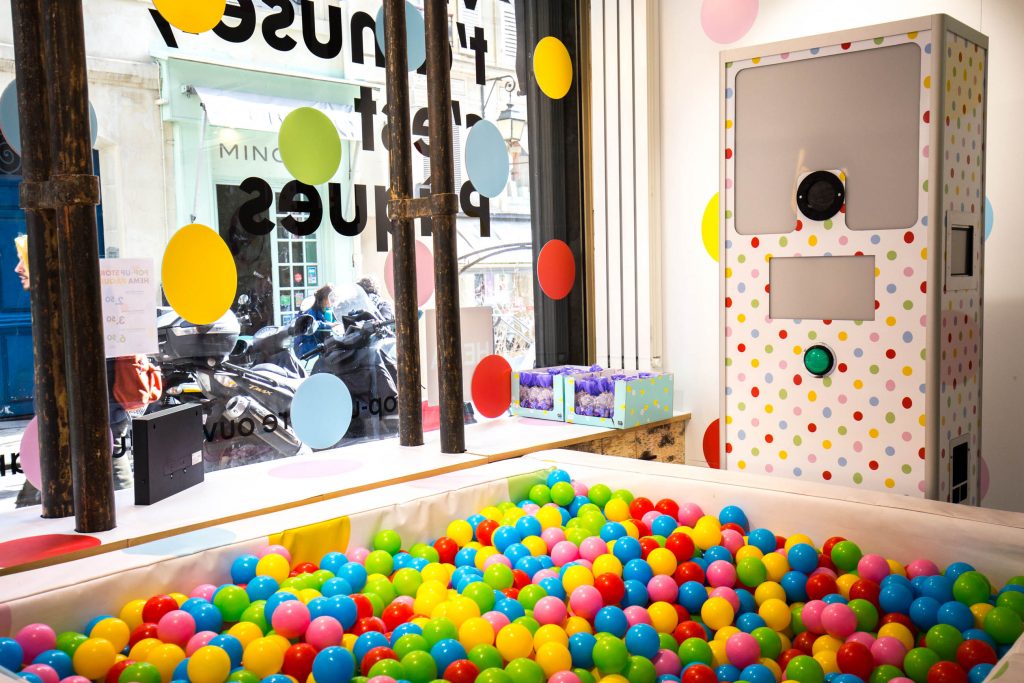
One of the most interesting elements of the campaign was the decision to launch two pop-up stores simultaneously.
The Paris activation helped strengthen HEMA’s presence in a growing market, while the Amsterdam pop-up reinforced the brand’s strong connection with its home audience.
Using the same theme in two cities allowed the brand to communicate a unified message while adapting to different audiences.
For HEMA, which has long been part of everyday life in the Netherlands, the Amsterdam store celebrated a familiar seasonal tradition. In Paris, the pop-up helped introduce new customers to the brand’s playful personality and accessible design.
Choosing High-Footfall Locations
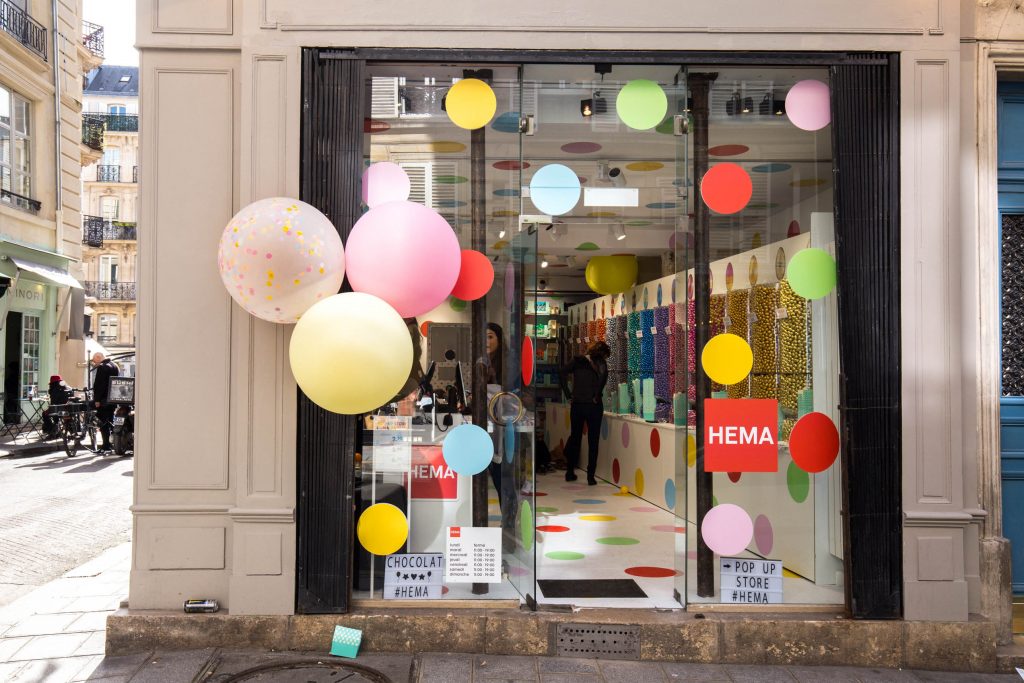
Location played a key role in the success of the pop-ups.
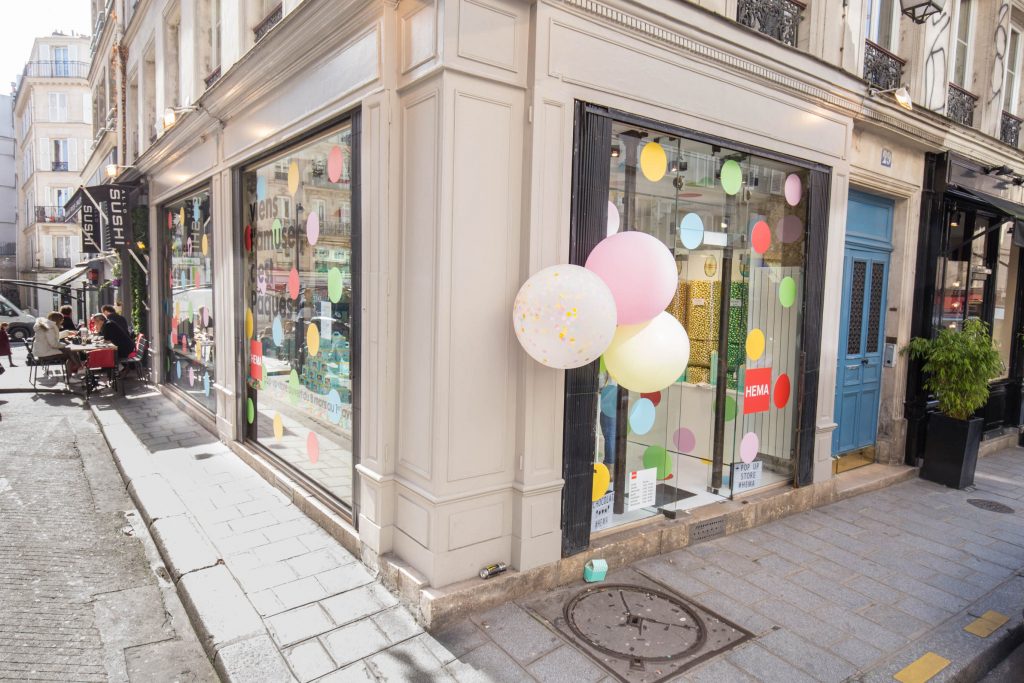
In Paris, the brand chose a space in Le Marais, one of the city’s busiest retail districts. The area attracts both locals and tourists, making it an ideal location for short-term retail activations.
The pop-up was also located near one of HEMA’s existing stores, allowing visitors who discovered the temporary shop to easily explore the brand’s full range of products nearby.
In Amsterdam, the brand selected a similarly vibrant neighborhood to ensure strong foot traffic and maximum visibility.
When launching seasonal pop-ups, brands often prioritize central locations with strong pedestrian flow to maximize awareness and engagement.
Why Pop-Up Retail Offers Something Digital Cannot
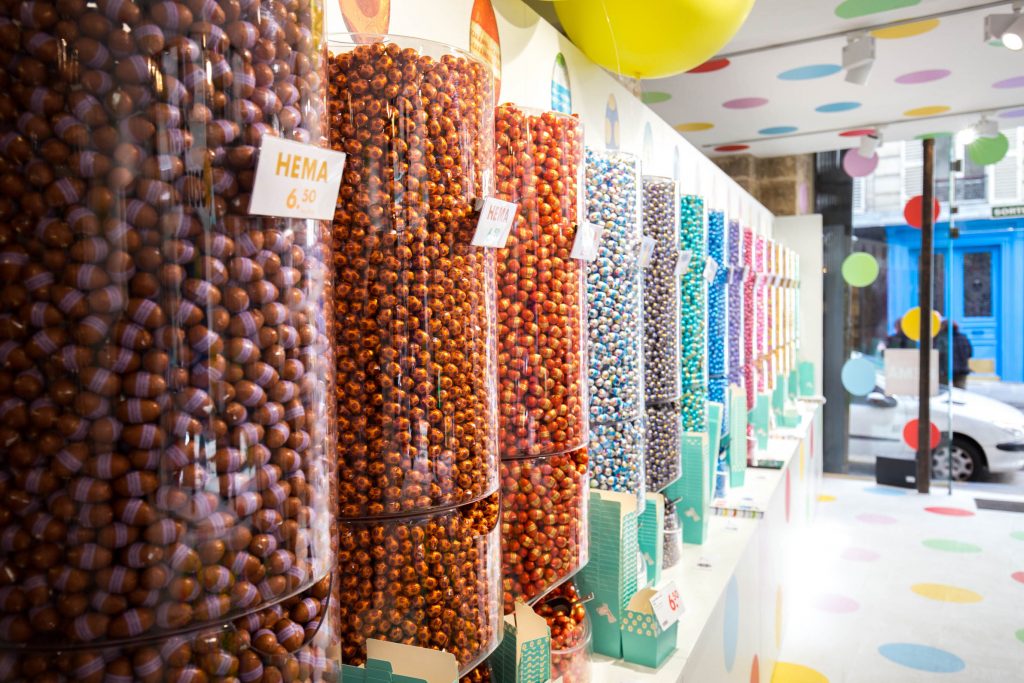
While HEMA has a strong digital presence, the company emphasized that the purpose of the pop-up store was to create a physical experience that could not be replicated online.
Temporary retail spaces allow brands to offer sensory experiences that are difficult to reproduce through e-commerce alone.
Visitors could taste products, explore the playful design of the store, and share moments with friends and family.
These emotional connections often make pop-up stores particularly effective for seasonal campaigns and limited-edition product launches.
Advice for Brands Considering Pop-Up Stores
According to the HEMA team, successful pop-up stores start with a clear objective.
Some brands use temporary spaces to drive sales, while others focus on brand awareness, media coverage, or community engagement.
For experiential pop-ups like this one, the key is to create a visually striking concept that invites people to step inside and participate.
The team also highlighted the importance of hospitality and atmosphere. Friendly staff and a welcoming environment help turn a temporary store into a memorable brand experience.
Pop-Up Stores as a Seasonal Marketing Strategy
Seasonal activations remain one of the most popular uses of pop-up retail. Holidays such as Easter, summer festivals, and winter celebrations provide natural opportunities for brands to launch limited-time stores and themed experiences.
These activations generate excitement, encourage social sharing, and help brands connect with customers during moments when people are actively exploring retail environments.
For more ideas on planning similar campaigns, explore this guide to seasonal pop-up shops and retail activations.

- Before and After: 3 Pop-Up Store Transformations That Bring Spaces to Life - March 18, 2026
- Offline Marketing Ideas for Pop-Up Shops - March 18, 2026
- How to Promote a Pop-Up Shop on Social Media - March 18, 2026
Related posts:
 How TOMS Used Pop-Up Art Galleries in Paris and London to Host a Traveling Exhibition
 How L’Oréal Paris Used a Pop-Up Store During Fashion Week to Create a Beauty Experience in Paris
 How Sony Used a Pop-Up Experience in Paris to Showcase PlayStation VR
 Sharing is Caring: The Success of Shared Pop-Up Stores
 How Mugler Used a Pop-Up Store in Paris to Launch the Angel Muse Fragrance