

Pop-up stores are no longer just about selling products. Increasingly, they are about creating cultural moments, blending retail with art, performance, and experience.
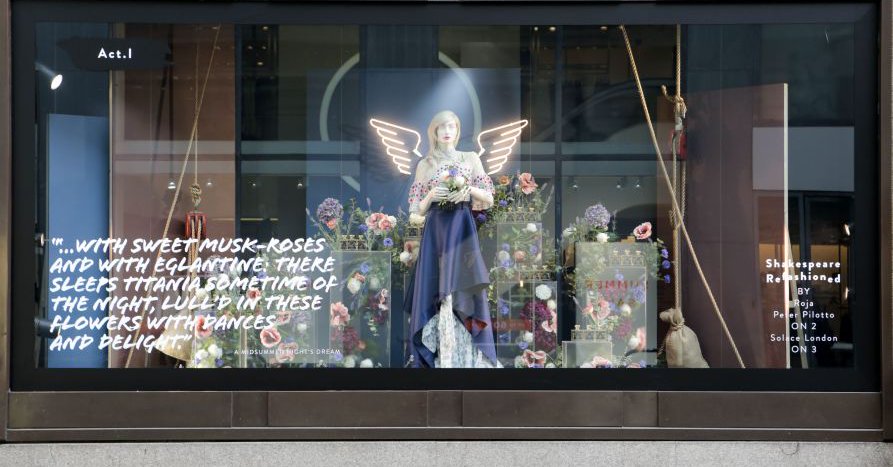
Few examples capture this better than Selfridges’ Shakespeare-inspired pop-up activation in London, which transformed part of its Oxford Street flagship into an immersive theatre and retail experience.
This is a reminder of what pop-ups can achieve when brands think beyond traditional retail.
A pop-up that reimagined retail as performance
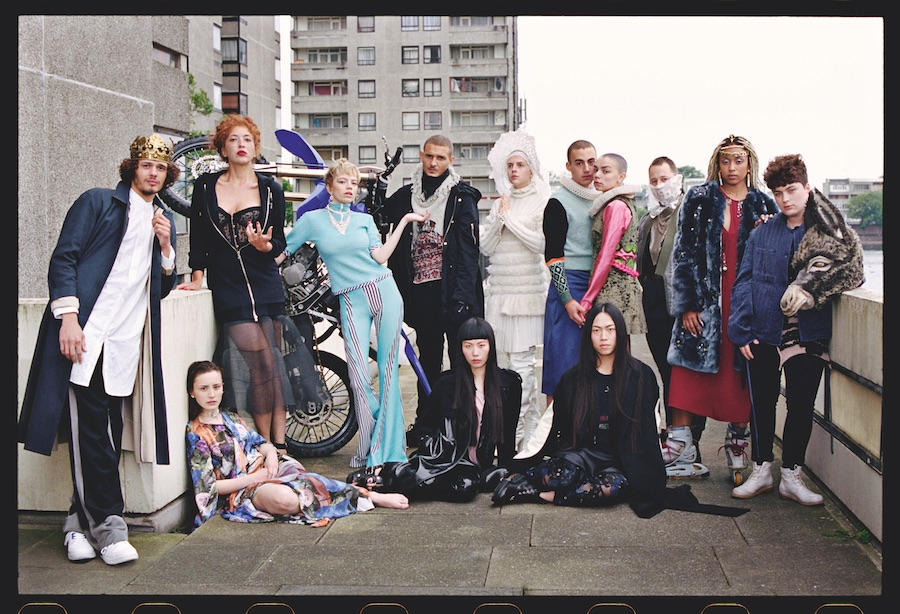
To mark the 400th anniversary of William Shakespeare, Selfridges launched “Shakespeare reFASHIONed,” a large-scale campaign that combined fashion, theatre, music, and design.
At the heart of the activation was a fully functioning pop-up theatre built داخل the department store. Designed as an intimate performance space, it hosted live productions, rehearsals, and workshops, bringing customers directly into the creative process.
This was not just a retail installation. It was a destination.
Visitors could:
- watch live performances
- explore behind-the-scenes rehearsals
- attend workshops and cultural events
- experience storytelling through fashion and design
The result was a retail space that felt alive, constantly changing, and deeply engaging.
Blending fashion, culture, and technology

What made this pop-up stand out was how it merged multiple disciplines into one cohesive experience.
Selfridges collaborated with theatre companies, designers, and cultural institutions to reinterpret Shakespeare for a modern audience. Performances were paired with fashion collections, while technology such as projection and visual storytelling added another layer to the experience.
Across the store, this extended into:
- themed visual merchandising
- exclusive designer collaborations
- live music and performance programming
The pop-up became part of a wider ecosystem, connecting retail with culture and creativity.
Why this pop-up worked
This activation highlights several key principles that apply to modern pop-up retail.
First, it created a reason to visit beyond shopping. Customers were drawn in by the experience, not just the products.
Second, it embraced storytelling. Every element, from the theatre to the product collaborations, reinforced a single narrative.
For brands
Ready to launch your pop-up?
Find and book your short-term retail space with Storefront.
Find a spaceThird, it encouraged repeat visits. With changing performances and events, the space remained dynamic over time.
This aligns with how leading brands are using pop-ups today. They are no longer just short-term stores, but platforms for engagement, content, and community.
What brands can learn from Selfridges
You do not need a department store-scale budget to apply these ideas.
The key takeaway is to think of your pop-up as an experience first, and a store second.

This could mean:
- hosting live events or workshops
- collaborating with creatives or cultural partners
- designing a space that evolves over time
- creating moments worth sharing
Even small activations can benefit from this approach.
If you are planning your own project, this complete guide to opening a pop-up store covers how to bring your concept to life.
Pop-ups as cultural platforms
Selfridges’ Shakespeare pop-up is part of a broader shift in retail.
Pop-up stores are increasingly being used to:
- launch campaigns
- tell brand stories
- create immersive environments
- connect with audiences in meaningful ways
They are flexible, creative, and capable of delivering impact far beyond their size or duration.
Start your own pop-up experience
Whether you are launching a product, building awareness, or creating a cultural moment, the right space is the foundation.
You can explore available spaces through Storefront or browse pop-up shops in London to find a location that fits your concept.
For more inspiration, explore additional UK pop-up success stories and see how brands are using temporary retail to stand out.
The best pop-ups do not just sell. They create experiences people remember

Written by
Adrien Kerbrat is Chief Revenue Officer and co-founder of Storefront. With more than 10 years in commercial real estate, he is an expert on the French market and short-term retail across Europe. Based in Bordeaux and often in Paris, he writes on pop-up strategy, retail location, and the French retail landscape.
More from Adrien Kerbrat →Related posts:
 Photo Flip: 13 Charming Shops For Rent in Le Marais for Lovers of Parisian Architecture
 Success Stories: Pop-Up Stores Turned Permanent Spaces
 3 Pop-Up Stores For The Senses
 Campus Pop-Ups: How Brands Use Pop-Up Stores to Reach Students and Build Engagement
 How to Use Plants in Your Pop-Up Store to Make it Pop