
Retail is no longer split between online and offline.
Today, customers move seamlessly between digital and physical channels. They discover products online, visit stores to experience them, and complete purchases wherever it is most convenient.
This is omnichannel retail.
And for brands looking to expand, one challenge remains: how do you test a new market without committing to long-term retail?
Pop-up shops are the answer.
The shift to omnichannel retail
Consumer behavior has fundamentally changed.
Research shows that around 73% of shoppers now use multiple channels during their buying journey. In fact, 75% of consumers interact with both digital and physical touchpoints before purchasing.
At the same time, businesses that adopt omnichannel strategies see significant benefits:
- up to 91% higher customer retention rates
- stronger revenue growth compared to single-channel retailers ()
The takeaway is clear.
Customers no longer separate online and offline. And brands that do risk falling behind.
Why pop-up shops are the smartest way to test new markets
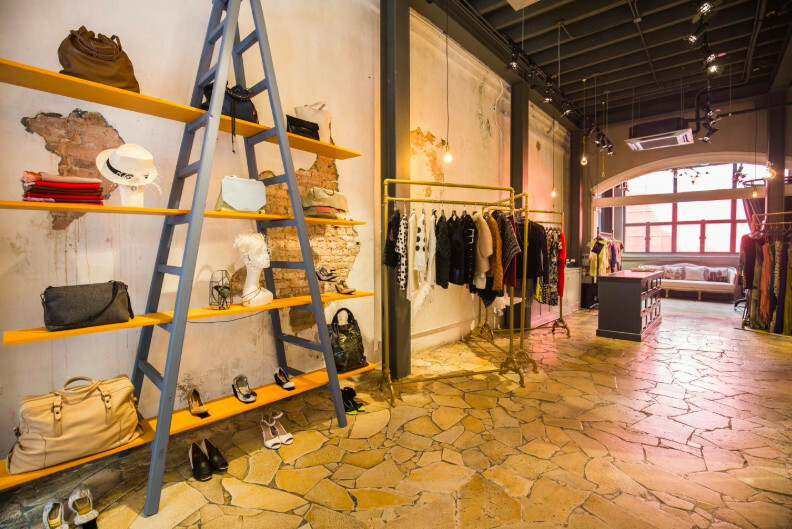
Traditionally, entering a new city meant signing a long-term lease, investing heavily upfront, and hoping demand followed.
Pop-up shops flip that model.
They allow brands to:
- launch quickly in new markets
- test demand with real customers
- gather feedback before scaling
- build awareness in high-traffic locations
Instead of committing first and learning later, brands can test first and scale what works.
From online brand to real-world experience
Ecommerce has lowered the barrier to entry for new brands. But digital growth alone has limits.
Even today, physical retail remains a major part of the market. Despite the growth of ecommerce, around 80% of global retail sales still happen in physical stores, with online accounting for roughly 20% of total retail (source eMarketer).
At the same time, customers increasingly expect to:
- see and try products in person
- build trust through physical interaction
- engage with brands beyond a screen
Pop-up stores bridge this gap.
They allow digital-first brands to create physical experiences without long-term risk. This is especially relevant for ecommerce brands, as explored in this guide to bringing your brand to life with pop-ups.
Real examples of brands testing new markets with pop-ups
Many brands have used pop-up shops to validate new markets before scaling.
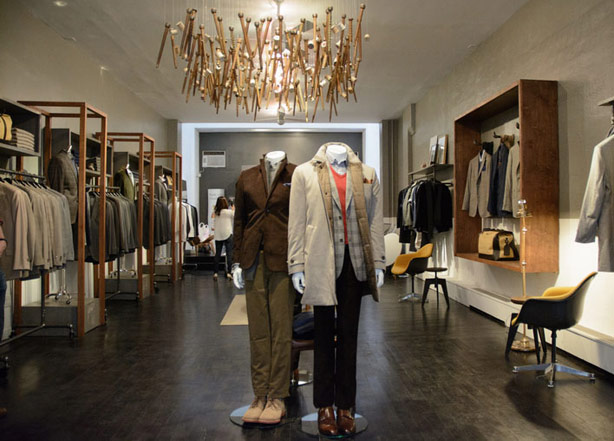
Menswear brand J.Hilburn launched a SoHo pop-up to enter New York and connect directly with customers. Read the full case study: J.Hilburn’s SoHo Pop-Up: A Luxury Menswear Brand Steps Into Physical Retail.
Rue Saint Paul used a month-long NYC pop-up to test physical retail before expanding further. Read the case study: How Rue Saint Paul Used a Month-Long Pop-Up in NYC to Test Physical Retail.
Bloom & Wild activated a London pop-up to build awareness and grow into a widely recognised brand. Check out the full Storefront success story: How Bloom & Wild Used a Pop-Up Store in London’s Mayfair District to Grow Its Brand.
For brands
Ready to launch your pop-up?
Find and book your short-term retail space with Storefront.
Find a space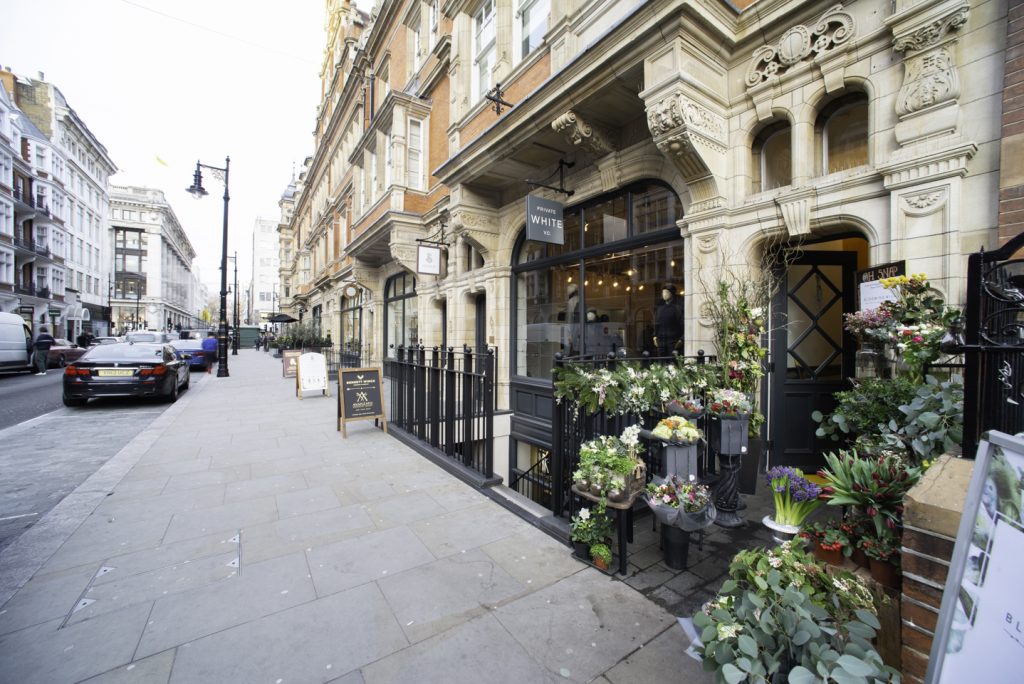
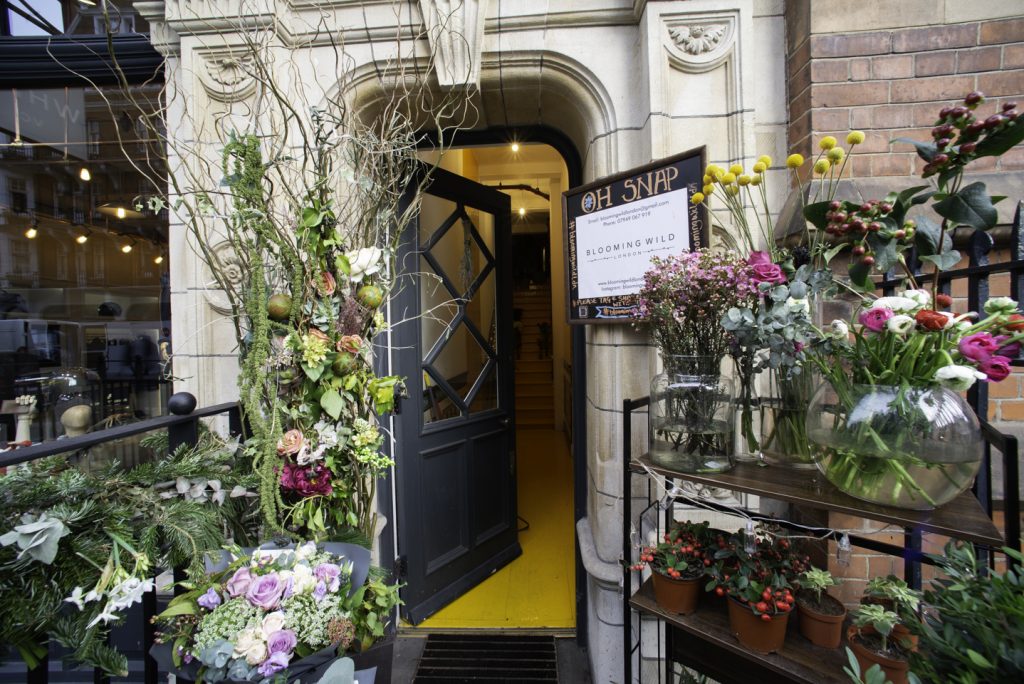
Fête Impériale used a Paris pop-up to meet customers and strengthen its presence in a key fashion market. Read the Storefront case study: How Fashion Brand Fête Impériale Used a Summer Pop-Up Store in Paris to Meet Its Customers.
These are not isolated examples. They reflect a broader shift toward using pop-ups as a market entry strategy.
Choosing the right city to test
Location is critical when testing a new market.
Major cities offer:
- high foot traffic
- diverse customer segments
- strong brand visibility
You can explore opportunities in key markets such as:
- New York pop ups
- London pop-up shops
- Paris pop-up spaces
- Los Angeles pop-up stores
- Miami pop-up spaces
Pop-up shops allow you to test multiple cities before committing to one.
What to measure when testing a new market
A successful pop-up is not judged on sales alone.
Brands should look at:
- customer engagement and conversion rates
- product feedback and interaction
- brand awareness and social reach
- online sales uplift in that region
This is where omnichannel becomes powerful. A physical store may drive digital growth, and digital channels may amplify the impact of the store.
How pop-ups fit into your wider strategy
Pop-up shops are most effective when integrated into a broader retail strategy.
Execution matters. This complete guide to opening a pop-up store covers the fundamentals.
Marketing drives traffic. Learn more in this pop-up marketing guide.
Offline experiences amplify engagement. Explore these offline marketing ideas.
Budgeting is essential. This guide explains how much a pop-up shop costs.
Together, these elements form a complete omnichannel approach.
From testing to scaling
Pop-up shops give brands something traditional retail cannot: flexibility.
Some brands use them as a stepping stone toward permanent stores. Others continue to operate through pop-ups long term.
The key advantage is the ability to:
- test before committing
- scale what works
- adapt quickly
In a retail landscape where consumer behavior is constantly evolving, this ability to test and learn is a competitive advantage.
Start testing your next market
Expanding into a new city no longer requires a long-term lease or a large upfront investment.
With the right pop-up strategy, you can validate demand, build awareness, and grow your brand with real-world insight.
Explore available spaces on Storefront and find the right location to launch your next market test.
Because in modern retail, the brands that win are the ones that test, learn, and adapt fastest.

Written by
Adrien Kerbrat is Chief Revenue Officer and co-founder of Storefront. With more than 10 years in commercial real estate, he is an expert on the French market and short-term retail across Europe. Based in Bordeaux and often in Paris, he writes on pop-up strategy, retail location, and the French retail landscape.
More from Adrien Kerbrat →Related posts:
 What is a pop-up shop? Everything you need to know to try short-term retail
 How to Set Up a Pop-Up Art Gallery: 8 Steps to Renting and Launching Your Exhibition
 Offline Marketing Ideas for Pop-Up Shops
 The 5 Types of Pop-Up Shops (With Examples) & How to Choose the Right One
 Automotive Pop-Up Shops: How Car Brands Use Temporary Showrooms to Launch, Test and Sell