

Brick-and-mortar retail is not disappearing. It is becoming smarter.
Artificial intelligence is now a central driver of that transformation. According to Grand View Research, the global AI in retail market was valued at approximately $11.6 billion in 2024 and is projected to exceed $40 billion by 2030, growing at more than 20% annually as retailers accelerate adoption of intelligent systems across physical and digital channels (Grand View Research, 2024).
This growth reflects a broader shift in how retailers think about the in-store experience. AI in retail is no longer experimental. It is operational. From predictive inventory systems and generative AI assistants to computer vision and real-time personalization, artificial intelligence is redefining what shoppers expect when they walk into a store.
For brands, the opportunity is clear: use AI not just to automate processes, but to create more adaptive, more engaging physical retail environments.
Increasingly, the most agile way to test and deploy those innovations is through experiential retail and short-term stores.
All About AI
Artificial intelligence refers to systems that process data, recognize patterns, and make decisions with minimal human intervention. Machine learning, generative AI, predictive analytics, and computer vision now sit at the core of modern retail operations.
In practical retail terms, AI enables real-time product recommendations, demand forecasting, smart inventory management, automated merchandising, and personalized in-store messaging.
In 2026, AI in shopping goes far beyond chatbots. Generative AI tools can assist sales associates, create personalized styling suggestions, localize marketing campaigns, and even recommend store layouts based on traffic data.
Retailers that successfully integrate AI are not replacing human interaction. They are enhancing it.
The goal is simple: create an AI-powered retail experience that increases acquisition, conversion, and long-term loyalty.
AI Across the Retail Funnel
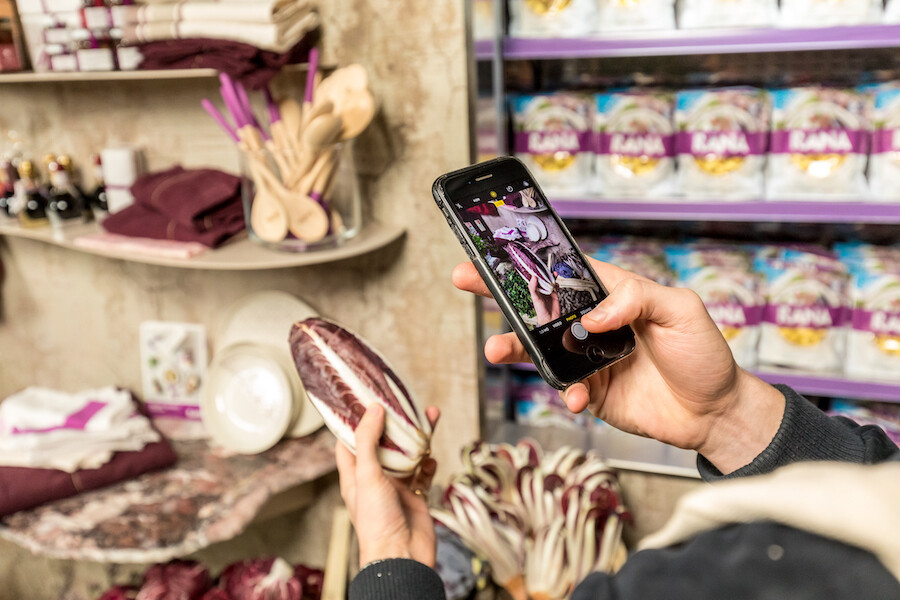
Artificial intelligence touches every stage of the customer journey.
Acquisition
AI helps retailers understand where their customers are and how to reach them. Predictive analytics can forecast foot traffic trends, identify high-value neighborhoods, and inform location strategy for pop-up stores and experiential activations.
Brands launching short-term retail experiences increasingly rely on these insights to choose the right city, the right street, and even the right duration. For companies exploring this format, understanding what exactly a pop-up shop is is often the first step toward building a flexible retail strategy.
AI also strengthens paid media targeting, local campaign optimization, and audience segmentation, ensuring physical stores generate demand before they open.
Conversion and Basket Size
AI retail technology is most visible inside the store.
Computer vision systems analyze traffic flow and optimize product placement. Smart mirrors and virtual styling assistants increase fitting room engagement. Real-time data surfaces relevant promotions at the point of sale.
Recommendation engines, long mastered by ecommerce platforms, now inform in-store merchandising decisions. The result is higher basket sizes and improved conversion rates.
When layered into temporary activations, these tools allow brands to experiment with intelligent retail formats without committing to permanent infrastructure. Many brands begin with a strategic framework like how to open a pop-up store before incorporating AI technologies.
Delivering Experiences
The strongest application of AI in retail is experience design.
Physical stores have one major advantage over ecommerce: emotion. AI enhances that advantage by tailoring environments in real time.
Digital displays can adjust based on audience demographics. Interactive installations can respond to engagement. Merchandising can adapt based on live purchasing behavior.
Experiential retail is already proving that immersive environments drive engagement and loyalty. These experiential retail case studies demonstrate how brands are transforming physical retail into something far more interactive and memorable.
AI strengthens experiential retail by capturing behavioral data, informing future location strategy, and personalizing follow-up marketing. Each activation becomes smarter than the last.
The rise of generative AI is further accelerating this transformation. McKinsey estimates that generative AI alone could unlock between $240 billion and $390 billion in economic value for the retail sector, largely through improved marketing effectiveness, personalization, and operational efficiency (McKinsey, 2024).
For experiential retail, this is especially powerful. AI allows brands to tailor digital displays in real time, adjust messaging based on audience behavior, and capture meaningful data during short-term activations.
Experiential environments become living laboratories. Each interaction feeds insights into the next activation, making every store smarter than the last.
Strategy and Operations
Behind the scenes, AI drives operational efficiency.
Retailers use AI for demand forecasting, automated replenishment, dynamic pricing, workforce planning, and loss prevention. These efficiencies reduce waste and increase profitability.
For short-term retail formats, operational intelligence is especially valuable. Pop-ups, showrooms, and brand events operate on tight timelines. AI reduces risk by providing predictive insights before launch.
Brands planning activations can combine operational intelligence with customer-facing technology by exploring the latest tech for pop-ups.
Beyond customer-facing innovation, AI is reshaping retail operations. Demand forecasting models reduce excess inventory. Automated replenishment systems minimize stockouts. Intelligent pricing tools respond dynamically to market conditions.
These backend efficiencies are one of the primary reasons retailers continue investing aggressively in AI infrastructure. According to Grand View Research, the global AI in retail market is projected to grow at more than 20% annually through the end of the decade, underscoring how quickly adoption is accelerating across the sector.
For brands deploying AI within short-term retail spaces, operational intelligence reduces risk and improves agility. Pop-ups and temporary activations become controlled environments where AI-driven processes can be tested, measured, and refined before broader rollout.
AI in Today’s Retail Environment
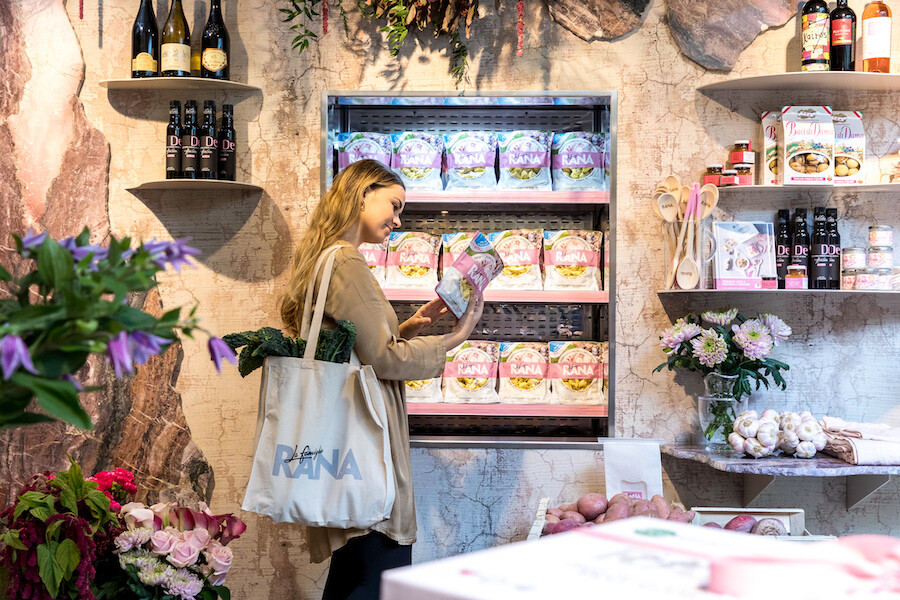
AI retail stores are no longer futuristic concepts. They are active across global markets.
Computer vision enables automated checkout. Predictive systems optimize inventory allocation across regions. Retail media networks use AI to deliver hyper-targeted promotions within physical environments.
The line between online and offline retail has blurred. AI is the connective layer.
The key question for brands is no longer whether AI works in retail, but how to deploy it efficiently and test it without overcommitting resources.
Short-term retail provides that flexibility.
AI in Action: Real-World Examples
Global brands are already combining AI, experiential design, and short-term retail.
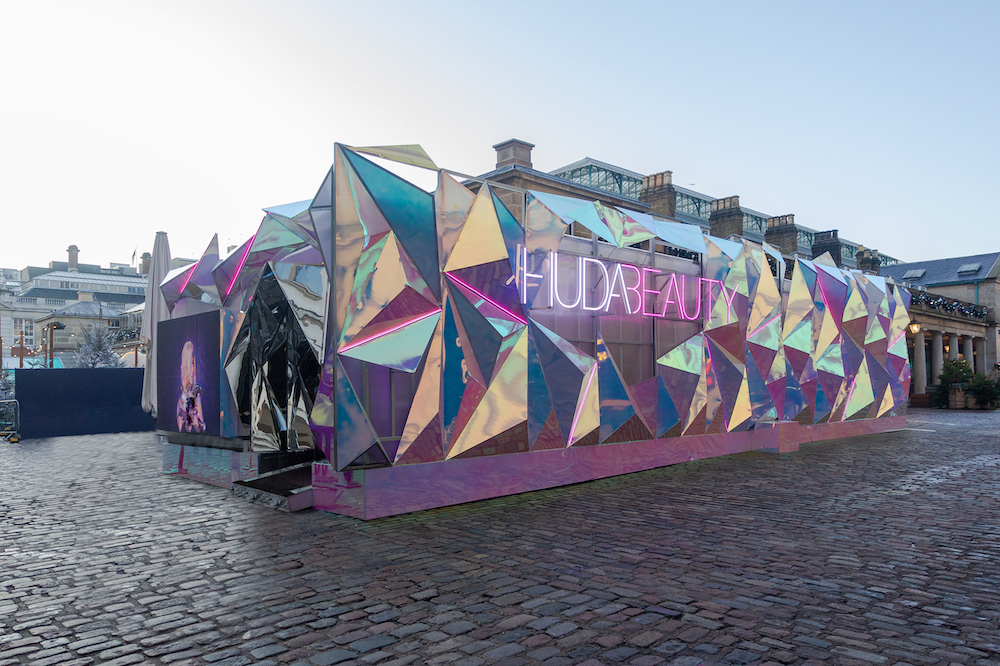
Huda Beauty’s immersive London activation blended striking design and limited-edition launches to bring its digital community into a physical space. You can explore how that experiential pop-up worked here: Huda Beauty’s Covent Garden pop-up.
DJ Khaled partnered with Palmer’s Cocoa Butter to launch a limited-edition experiential store in Manhattan, using physical retail to generate buzz and deepen fan engagement: DJ Khaled x Palmer’s pop-up.
The Dodo scaled its viral community into a 17,000 square foot Halloween activation in Brooklyn, demonstrating how immersive retail can drive large-scale engagement when supported by strong location strategy: The Dodo pop-up case study.
Warner Music transformed a central Amsterdam space into an immersive Ed Sheeran experience that combined exclusivity, events, and global coordination: Ed Sheeran pop-up in Amsterdam.
AI enhances these activations by optimizing site selection, tracking engagement patterns, and capturing actionable customer data.
Introducing Experiential Retail
Experiential retail is not a trend. It is a strategic shift.
Customers expect physical retail to offer something ecommerce cannot: interaction, community, and immersion.
Short-term formats such as pop-up shops, showrooms, and event spaces allow brands to create those environments without long-term lease commitments. If you are new to the model, this guide explains what a pop-up shop is and how brands use them strategically.
AI strengthens experiential retail by making every interaction measurable and adaptable. Each activation provides insights that inform the next one.
Why Short-Term Retail Is the Smartest Way to Deploy AI
Rolling out AI across a permanent retail portfolio can be expensive and complex.
Testing AI within short-term retail spaces is faster and more agile.
Pop-ups allow brands to pilot new in-store technologies, measure engagement, gather behavioral data, and refine experience design before scaling.
Brands ready to experiment with AI-powered activations can browse available locations globally through Storefront’s retail space marketplace. Those focused specifically on flexible activations can explore dedicated pop-up store rentals or broader short-term retail spaces for rent.
High-demand markets remain especially powerful testing grounds. Brands planning activations in major cities can explore available New York retail spaces, London retail spaces, or Paris retail spaces to launch data-driven experiential concepts.
Short-term retail gives brands the freedom to innovate without locking into long leases.
Conclusions – How to Implement AI in Retail
Artificial intelligence is not a one-time solution. It is a strategic advantage when deployed thoughtfully.
Start small. Identify one or two areas where AI can improve customer experience or operational efficiency. Test within a controlled environment. Measure outcomes. Refine and scale.
For many brands, that first test happens within a pop-up or experiential activation.
If you are planning your first intelligent retail experience, understanding how to drive traffic is essential. This guide on how to market your pop-up store outlines strategies to maximize engagement.
If you own retail property and want to capitalize on growing demand for experiential activations, you can list your space on Storefront and connect with brands seeking flexible environments.
AI is transforming retail. The brands that will lead are those that combine intelligence with experience and flexibility.
The future of retail is not just digital or physical.
It is intelligent, experiential, and short-term ready.

- Inside Diesel’s Knockoff Pop-Up Shop in SoHo - March 12, 2026
- How La Famiglia Rana Created an Experiential Pop-Up Grocery in London - March 10, 2026
- Howard Johnson Created a Candy-Themed Pop-Up Store in NYC to Celebrate a Brand Refresh - March 10, 2026
Related posts:
 3 Reasons Why Mall Owners Have Come To Love Pop-Up Stores
 Top Pop-Up Shop Trends in the UK in 2018
 Coping with Covid-19: Fashion brand The Odder Side
 How to open a store – Eleven things to consider when planning to open a store in a post-Covid world
 Art Basel Miami: How Retailers Can Find Success With Our Top Spaces For Rent