

Technology is no longer optional in pop-up retail. It is the difference between a short-term store that simply exists and one that performs.
It is no longer just about enabling payments or basic operations. The right pop-up shop technology allows brands to create immersive experiences, capture valuable customer data, and test new retail concepts in a controlled, flexible environment.
Pop-ups are uniquely suited to this. Unlike permanent stores, they allow brands to experiment quickly, deploy new systems, and refine their approach based on real-world feedback. This makes them one of the most effective formats for modern, technology-driven retail.
If you are planning a launch, choosing a space that supports your technical setup is essential. Start by exploring flexible pop-up store rental options that align with your operational and experiential goals.
Why Technology Matters in Pop-Up Retail
The role of technology in retail has shifted from operational support to strategic advantage. In pop-up environments, this shift is even more pronounced. Every interaction can be measured, every touchpoint can be optimised, and every activation can inform the next.
Technology enables brands to move beyond static retail and into experiential environments where customers actively engage with products and storytelling. This is particularly important as expectations continue to evolve. Shoppers no longer visit stores just to browse. They expect convenience, personalisation, and interaction.
Pop-ups provide a low-risk way to meet those expectations. Brands can test new systems, measure their impact, and scale what works without committing to long-term infrastructure.
Core Technology Every Pop-Up Store Needs
At a foundational level, every pop-up requires a reliable set of systems to support sales and operations. These are not optional. They form the backbone of your store.
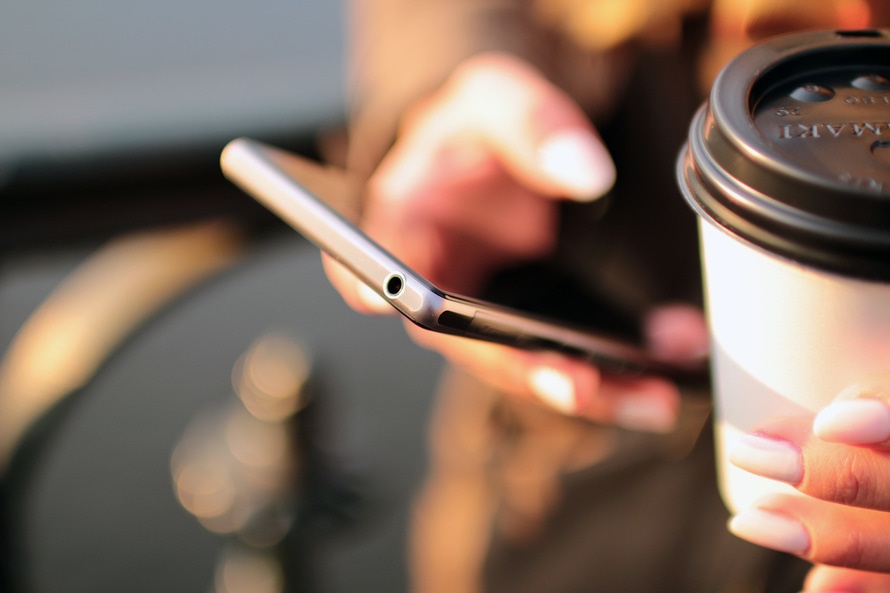
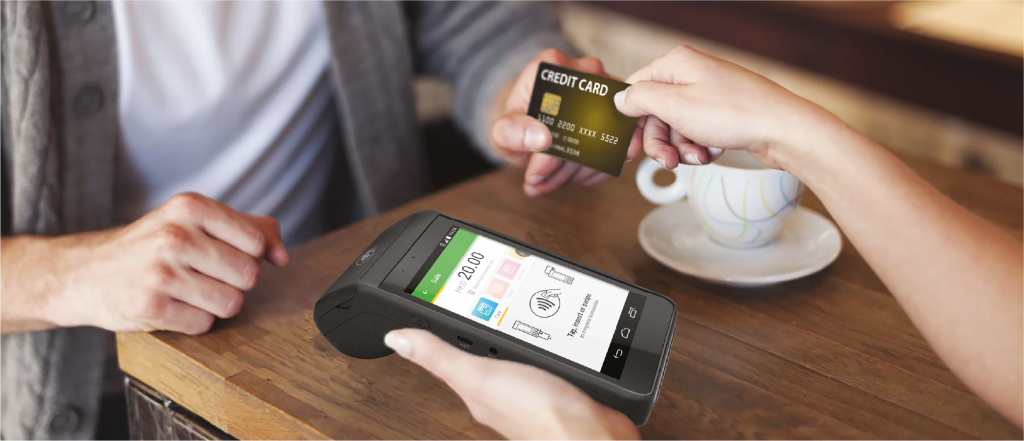
A modern POS system is central to this setup. Mobile-first solutions allow transactions to happen anywhere in the space, reducing queues and improving customer flow. More importantly, they connect your physical store with your wider retail ecosystem. Inventory, customer data, and sales channels can all be synchronised in real time, allowing you to operate with the same level of insight as an established retail network.
Choosing the right POS will depend on your location and operational needs. For detailed comparisons and local considerations, see payment systems and POS tools for pop-up shops in London, running a pop-up shop in New York, and how to choose the right POS for your Paris pop-up.
Inventory management is equally important. In a short-term retail environment, stock needs to move efficiently and accurately. Real-time tracking allows you to respond to demand, identify bestsellers, and avoid lost sales due to stock issues. When integrated with your POS, this becomes a powerful operational tool rather than a manual process.
All of this depends on reliable infrastructure. Stable connectivity, sufficient power access, and secure payment processing are fundamental. Without these in place, even the most advanced technology will fail to deliver.
For a broader operational framework, refer to this guide to running a pop-up shop.
Customer Experience Technology
Where pop-up retail truly differentiates itself is in customer experience. Technology allows brands to transform a simple store into an interactive environment that encourages exploration and engagement.
Smart mirrors and connected fitting rooms are a clear example of this shift. Instead of relying on staff interaction alone, customers can browse sizes, request items, and receive recommendations directly within the fitting space. This reduces friction while increasing engagement and conversion.
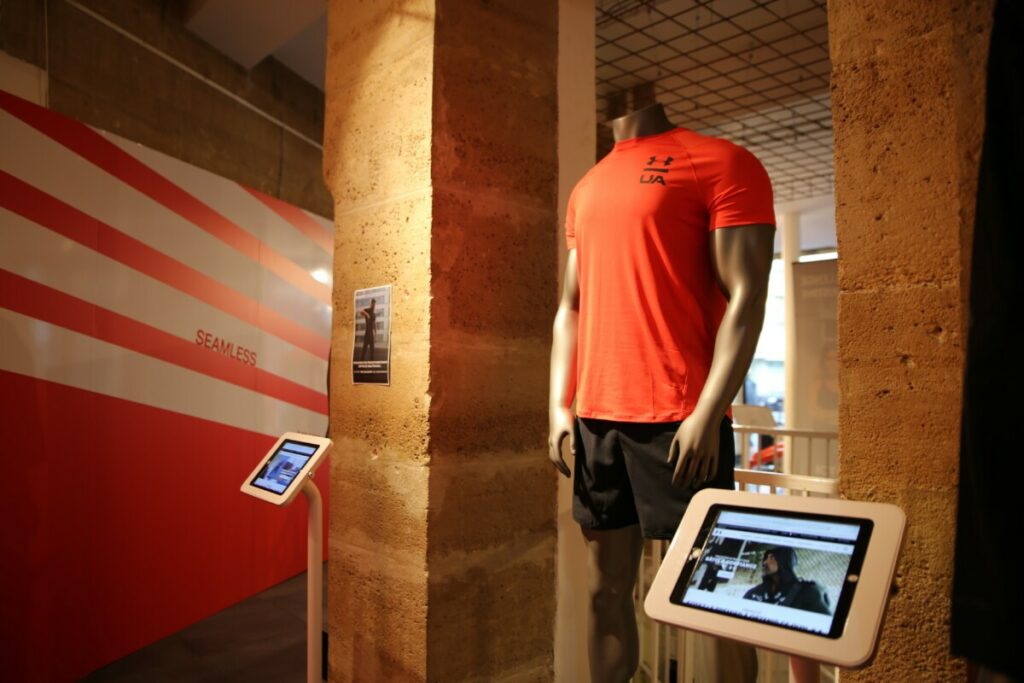
Interactive displays extend this experience further. Digital installations can transform storefront windows into browsing interfaces, allowing passersby to engage without entering the store. Inside, screens can showcase collections, campaigns, or dynamic content that evolves throughout the day. These touchpoints help bridge the gap between physical and digital retail.
More advanced systems such as RFID introduce another layer of insight. By tracking how customers interact with products, brands can better understand behaviour and preferences. This data can then inform merchandising, marketing, and future activations.
Many of these tools are best understood through real-world applications. From smart mirrors and interactive displays to virtual environments and RFID tracking, brands are already using these technologies in creative ways. See these examples of how to use technology in a pop-up store to understand how they are applied in practice.
For brands
Ready to launch your pop-up?
Find and book your short-term retail space with Storefront.
Find a spaceDriving traffic into these experiences remains critical. Technology should work alongside your marketing strategy, not replace it. This guide on how to generate footfall to your pop-up store outlines how to bring customers into your space in the first place.
AI in Pop-Up Retail
Artificial intelligence is rapidly becoming one of the most important components of retail technology. In pop-up environments, it offers a powerful way to test and deploy intelligent systems without long-term risk.
AI can enhance nearly every part of the customer journey. It enables personalised recommendations, improves inventory forecasting, and allows stores to adapt in real time based on customer behaviour. In-store applications such as smart mirrors, digital assistants, and dynamic displays are already demonstrating how AI can increase both engagement and conversion.
The key advantage of using AI in pop-ups is flexibility. Brands can experiment with new tools, measure performance, and refine their approach before scaling. This makes short-term retail one of the most effective testing grounds for AI-driven innovation.
For a deeper exploration of this topic, see how artificial intelligence is transforming the retail experience.
Marketing and Data Capture Technology
One of the most valuable outcomes of a pop-up store is the data it generates. Technology plays a central role in capturing and activating that data.
Simple tools such as QR codes, email capture systems, and SMS sign-ups can turn anonymous visitors into long-term customers. When integrated with your POS and CRM, these systems provide a clearer picture of customer behaviour and preferences.
Social media integration also plays a key role. Encouraging customers to share their experience, interact with branded content, or participate in digital campaigns extends the reach of your pop-up beyond its physical location.
To maximise the impact of these tools, they should be aligned with a broader marketing strategy. This pop-up shop marketing guide provides a comprehensive framework, while these offline marketing ideas for pop-up shops and this guide on how to promote a pop-up event on social media offer practical execution strategies.
Advanced and Experiential Retail Technology
Beyond core systems, many brands are using pop-ups to experiment with more advanced technology. These innovations are less about efficiency and more about differentiation.
Virtual and hybrid experiences allow brands to extend their reach beyond the physical store. Customers can explore digital versions of the space, interact with curated content, or engage remotely through immersive formats. This is particularly valuable for global audiences or limited-time activations.
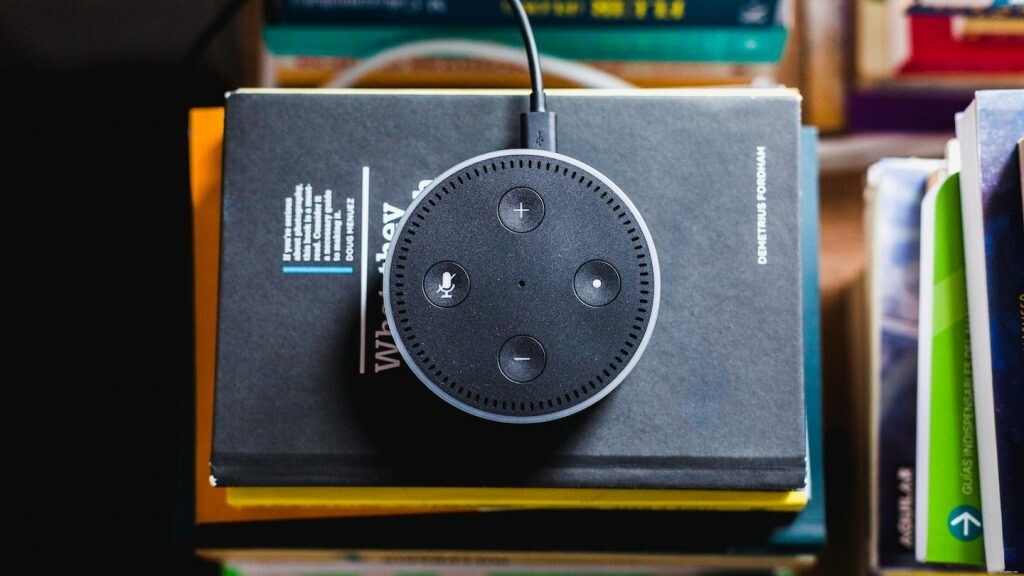
Connected products and smart devices also play a role in this space. Allowing customers to interact directly with technology, whether through voice commands, apps, or live demonstrations, helps communicate product value in a tangible way.
These types of experiences are increasingly central to experiential retail, where the focus is on creating memorable, shareable moments rather than simply facilitating transactions.
How to Choose the Right Technology for Your Pop-Up
Not every pop-up needs advanced technology. The most effective approach is to align your tech stack with your objectives.
If your goal is sales, focus on efficient POS systems and seamless checkout. If your goal is brand awareness, invest in interactive and experiential elements. If your goal is data capture, prioritise systems that track and integrate customer information.
Technology should support your concept, not define it. Starting with a strong foundation and layering additional tools where they add value is the most effective approach.
Where to Test Pop-Up Technology
Location plays a significant role in how technology performs. High-footfall, globally connected cities provide ideal environments for testing new retail concepts.
Markets such as London, New York, and Paris offer diverse audiences and strong demand for experiential retail. Brands can explore opportunities through pop up shops in London, pop up shops in New York, and pop up shops in Paris to launch and refine their concepts.
These environments allow brands to gather meaningful insights quickly and adapt their strategy in real time.
Final Thoughts
Technology is reshaping how pop-up shops operate and how customers experience them. From essential systems such as POS and inventory management to advanced tools like AI and immersive displays, the right technology can significantly enhance performance.
The most successful pop-ups use technology with intent. They focus on improving the customer journey, capturing valuable insights, and creating experiences that extend beyond the store itself.
If you are planning your first activation, combine the right technology with a strong operational framework using this complete guide to running a pop-up shop.
For brands
Ready to launch your pop-up?
Find and book your short-term retail space with Storefront.
Find a space
Written by
Adrien Kerbrat is Chief Revenue Officer and co-founder of Storefront. With more than 10 years in commercial real estate, he is an expert on the French market and short-term retail across Europe. Based in Bordeaux and often in Paris, he writes on pop-up strategy, retail location, and the French retail landscape.
More from Adrien Kerbrat →Related posts:
 What is a pop-up shop? Everything you need to know to try short-term retail
 How to Set Up a Pop-Up Art Gallery: 8 Steps to Renting and Launching Your Exhibition
 Offline Marketing Ideas for Pop-Up Shops
 The 5 Types of Pop-Up Shops (With Examples) & How to Choose the Right One
 Automotive Pop-Up Shops: How Car Brands Use Temporary Showrooms to Launch, Test and Sell