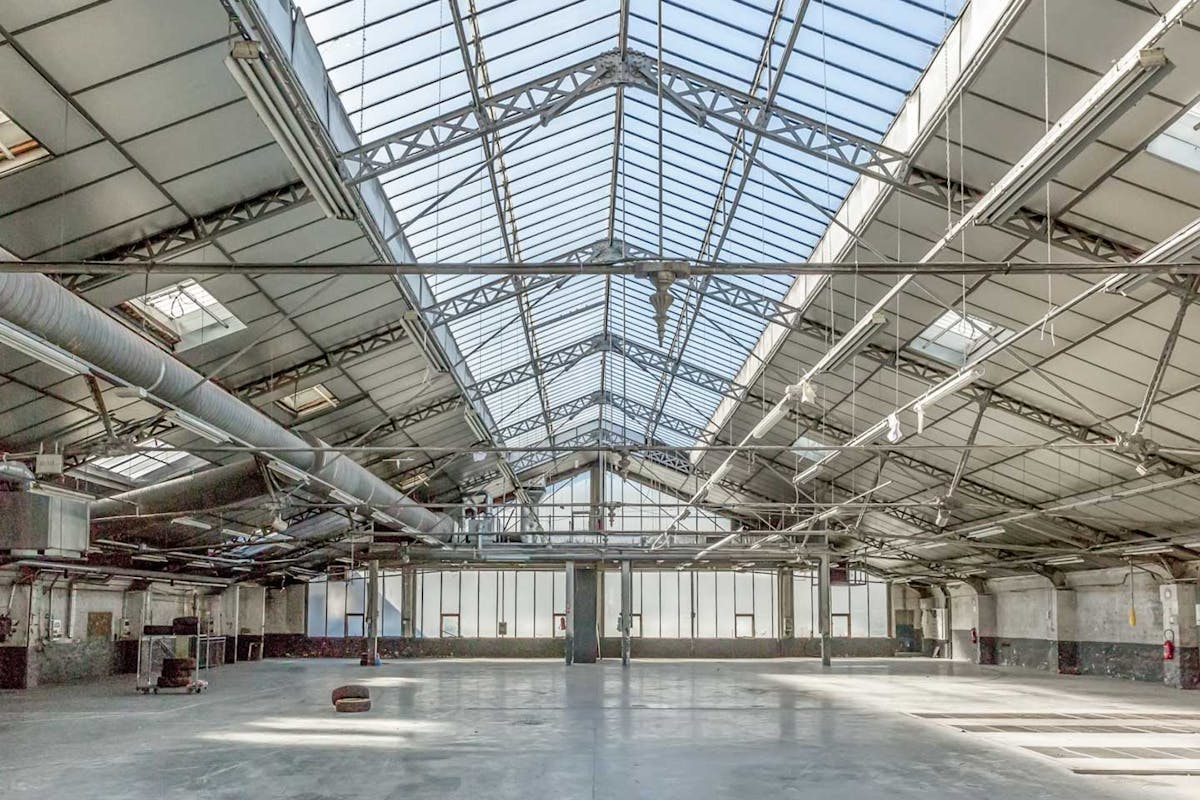
Amsterdam is a polycentric retail city with no single dominant mall and no one street every brand has to be on. That structure works in favor of anyone looking for a large commercial space rental in Amsterdam, because bigger units turn up across the city rather than clustering in one high-rent corridor. Historic canal houses are narrow by design, taxed by frontage since the seventeenth century, so a flat, column-free hundred square meters with a wide window is genuinely scarce. When a large unit does appear, it tends to sit in a former warehouse, a converted industrial hall or a ground-floor corner where two plots have been joined, and the character of that space is part of what makes Amsterdam activations distinctive.
Dutch e-commerce penetration is high and the physical network behind it is unusually dense, which changes what a large physical space is for. Here it often functions as a showroom, a collection point and a content set rather than a till, and the Dutch customer is entirely comfortable browsing in the room and having the purchase delivered.
Where to find large commercial space in Amsterdam
The districts below each offer a different kind of large-format opportunity.
-
Jordaan: a tight grid of small streets west of the Prinsengracht. Most units are compact, but the district's former workshops and warehouses occasionally release larger ground floors with canal frontage and independent-minded foot traffic.
-
Canals: the Grachtengordel itself. Units here sit in listed buildings, so fit-out is freestanding and reversible, and a large space on the Herengracht or Keizersgracht gives a brand one of the most recognizable retail backdrops in the city.
-
Haarlemmerbuurt: one long street under two names running from the Singel to the Haarlemmerplein, with more than 200 sales points. It sits between Amsterdam Centraal and the Jordaan, and its wider commercial plots offer some of the most accessible larger units in the inner city.
-
Westerpark: the decommissioned nineteenth-century Westergasfabriek gasworks, converted into a cultural park with a dozen listed industrial buildings around a green. The Gashouder alone is one of the largest column-free spaces in the Netherlands, and the complex is the single most important venue cluster in Amsterdam for brand events, launches, fairs and exhibitions.
-
The Nine Streets: a curated grid of independent shops crossing the three main canals. Scale and standardization do not work here, but an edited, design-forward large pop-up fits the district perfectly.
What large commercial space is used for in Amsterdam
The term covers a wide range of commercial activity. Brands book large spaces in Amsterdam for brand activations and product launches, seasonal pop-up retail spanning weeks or months, showroom presentations, exhibition staging around the Amsterdam Dance Event music week in October, and corporate events that need production-grade loading and rigging.
Amsterdam units are small by European standards, so anything offering a genuinely open floor plan stands out. Converted industrial halls around Westerpark have power, rigging points and loading doors a truck can drive through, which is rare elsewhere in the city where most characterful spaces sit in listed buildings with no service entrance.
Pricing for large commercial space in Amsterdam
Rates for large commercial space in Amsterdam vary by district, season and the kind of activity: a canal-ring showroom in a peak week commands a different price from a warehouse activation in a quieter month.
Longer bookings tend to cost less per day, because the host carries no empty days between consecutive bookings, making a sustained run worth more to them than a series of one-offs.
Timing and seasonality
The biggest commercial week outside high summer is the electronic-music week in the second half of October, when a large international audience arrives and brand activations cluster across the city. Space in the Centrum, Noord and Westerpark is committed months ahead. The Sinterklaas gifting season peaks on 5 December. It brings a compressed pre-holiday buying window that favors small, wrappable, personal products. Amsterdam also runs a deliberate winter light season from late November into mid-January, with an illuminated art route along the canal ring that keeps evening foot traffic strong through the darkest months.
Brands arriving from outside the Netherlands should note that the city runs a zero-emission zone for vans and trucks covering the Centrum and surrounding districts, so deliveries and fit-out into the Centrum, the canal ring and the Jordaan need to be planned around it.
Practical points for booking
Amsterdam is close to cashless. A Dutch customer expects to tap, and the domestic PIN debit system is the baseline. English works without qualification in Amsterdam retail, though bilingual signage is safer than English-only inside the Centrum ring. Many independent shops do not open on Monday morning, and a good number stay shut all day, so a pop-up should decide deliberately whether to keep or break that convention.
The Netherlands is small and dense enough that an Amsterdam activation is effectively a national one: Rotterdam, The Hague and Utrecht are all inside an hour by train, and a single well-publicized Amsterdam presence reaches the whole Dutch market.
For brands interested in sharing a space rather than taking one outright, shop-share arrangements offer another route into the city.
FAQ
What deposit and insurance terms apply to a large commercial space booking?
Deposits, insurance and cleaning are agreed directly with the space owner and vary by listing, duration and the kind of activity planned. The booking terms and the individual listing set out the specifics before you commit.
What is included in the rental rate for a large space?
Inclusions differ from one space to the next. Some listings bundle utilities and wifi, others price them separately. Each listing states what is covered, so check before booking rather than assuming a standard package.
Can the space be altered or branded for an activation?
Many Amsterdam spaces sit in listed buildings where any work to the shopfront, glazing or load-bearing elements needs consent. Freestanding, reversible, floor-supported installations are the norm in the canal ring. Agree the scope of any fit-out with the host in writing before work begins.
How does access and loading work in central Amsterdam?
Pedestrianized streets, timed loading windows and the zero-emission zone mean that a build in the Centrum is often carried in by hand.
What happens to fixtures and fit-out at the end of the booking?
Dutch commercial leases typically require the unit to be returned in its original state. On a listed Amsterdam building, reinstatement can be the largest single line in a pop-up budget. Agree the reinstatement scope before the fit-out, not after.