


What counts as large commercial space in London?
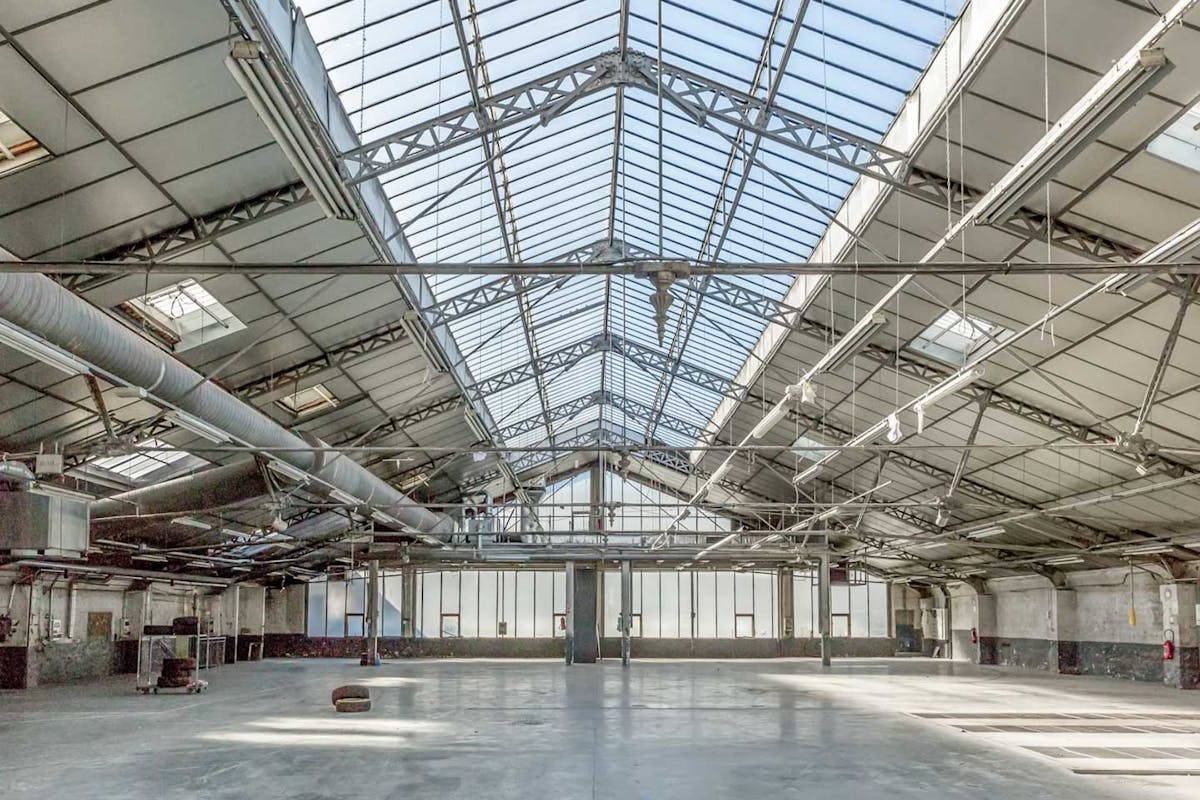
Large commercial space in London typically means a ground-floor or multi-level unit suited to events, activations or retail formats that need genuine room to operate. In practice that means a format capable of hosting more than 100 attendees, staging a brand installation across an open floorplate, or running a multi-day retail pop-up with room for product display, staff and customer flow. London retail units are narrow by international standards, so a truly large space here usually means going vertical across two or three floors, taking a basement alongside the ground floor, or moving into a converted industrial building where the footprint is genuinely wide.
The most common uses for a large commercial space rental in London are:
-
Brand activations and product launches
-
Multi-day or multi-week pop-up shops
-
Showrooms for trade buyers or press
-
Corporate away-days and private events
-
Exhibition and installation formats
-
Film and photography shoots
Where to find large commercial space in London
The West End carries the largest ground-floor units in the city. Oxford Street is the busiest shopping street in Europe, and its units are built for high-volume national and international retail, with wide frontages and deep floorplates. Regent Street, which is largely under single-estate ownership, offers flagship-scale space in a curated, pedestrian-focused setting.
Shoreditch is the most in-demand district for short-term large commercial space in London outside the West End. Its former warehouse and light-industrial stock gives wide ground-floor frontage and raw interiors, which is why brand activations and independent labels take space here. The customer skews young and the area trades hardest in the evening and at weekends.
Covent Garden offers very high visitor flow, with a mix of flagship and small-unit retail across a managed estate. Knightsbridge anchors the luxury end of the market, with space taken for international prestige and premium adjacency as much as for footfall. For a large commercial space rental in London with an independent or creative brief, Hackney and Dalston offer generous floorplates at lower relative cost on a predominantly local catchment.
For curated, design-led space, the managed estates at Soho and across London more broadly offer flexible options across districts, use cases and sizes.
Booking large commercial space in London
London's short-term commercial market is particularly accessible because of how English use classes work. Since planning reform, shops, offices, cafes and most other town-centre uses sit in a single category, Class E. Moving between them does not require a planning application, which is why a former bank, office or restaurant unit can be taken as a pop-up shop without additional consent. That is the single biggest reason the range of large commercial space available in London is wider than the shopfront stock alone.
For temporary outdoor or open-site activity, land in England may be used for any purpose for up to 28 days in total in a calendar year without planning permission. Most temporary retail and event formats fall within this allowance.
Demand for large commercial space peaks around London Fashion Week in September, the autumn design and art festival season, and the run-up to Christmas. August is the quietest month. Booking ahead of a peak period gives the widest choice of large-format units, particularly in the West End and Shoreditch.
Before confirming a large commercial space rental, it is worth confirming whether the building sits within a conservation area or is listed, as both bring additional control over external signage and shopfront alterations. For guidance on what cover to arrange, see Insurance for Pop-Up Shops in London: Key Types of Cover and What to Know.
Browse loft spaces for rent in London if you are looking for a more open-plan, industrial-style floorplate, or explore mall booth, kiosk and corner rental for managed-centre formats at smaller scale. For the full range of retail space for rent across every size and use case, the project hub covers the wider market.
FAQ
What size qualifies as large commercial space in London?
There is no fixed threshold, but in practice a large commercial space in London is one that can accommodate a substantial product display, a team of staff and meaningful customer flow simultaneously. Outside the flagship streets and managed centres, London's Victorian and Georgian shopfronts are narrow, so a truly large unit typically means two or more floors, a basement alongside the ground floor, or a converted industrial building where the footprint is wide rather than deep.
Which London neighbourhoods have the most large commercial space available?
The West End, including Oxford Street and Regent Street, has the largest ground-floor units in the city, built for national and international retail at scale. Shoreditch has the most wide-floorplate warehouse and industrial stock available for short-term rental. Covent Garden, Knightsbridge and Mayfair offer managed flagship-scale space. Hackney and Dalston carry generous floorplates at comparatively lower cost for brands focused on a local London catchment.
How far in advance should I book a large commercial space in London?
For peak periods, particularly London Fashion Week in September, the Christmas trading run from November onwards, and the autumn art and design festival season, booking several weeks in advance gives the best choice of large-format units. Outside those windows, availability is wider and lead times are shorter, though the most desirable spaces in the West End and Shoreditch move quickly regardless of season.
Do I need planning permission or a licence to run a pop-up in a large commercial space in London?
For most formats in an existing Class E building, no planning application is needed: shops, offices, cafes and most other town-centre uses sit in the same class and moving between them is not development. Open-site or outdoor activity runs under a separate permitted development allowance of up to 28 days per calendar year per site. Specific activities, including selling alcohol, serving food or putting on regulated entertainment, have their own requirements that should be confirmed before trading.
What should I check before signing a large commercial space rental in London?
Confirm whether the building is listed or sits within a conservation area, as both restrict signage and external alterations. Check whether the landlord charges VAT on rent. Establish business rates liability for the period. Arrange waste transfer notes before opening rather than after. If the space is in central London, factor in Congestion Charge and ULEZ costs for any fit-out or delivery vehicles.


