


What Counts as Large Commercial Space
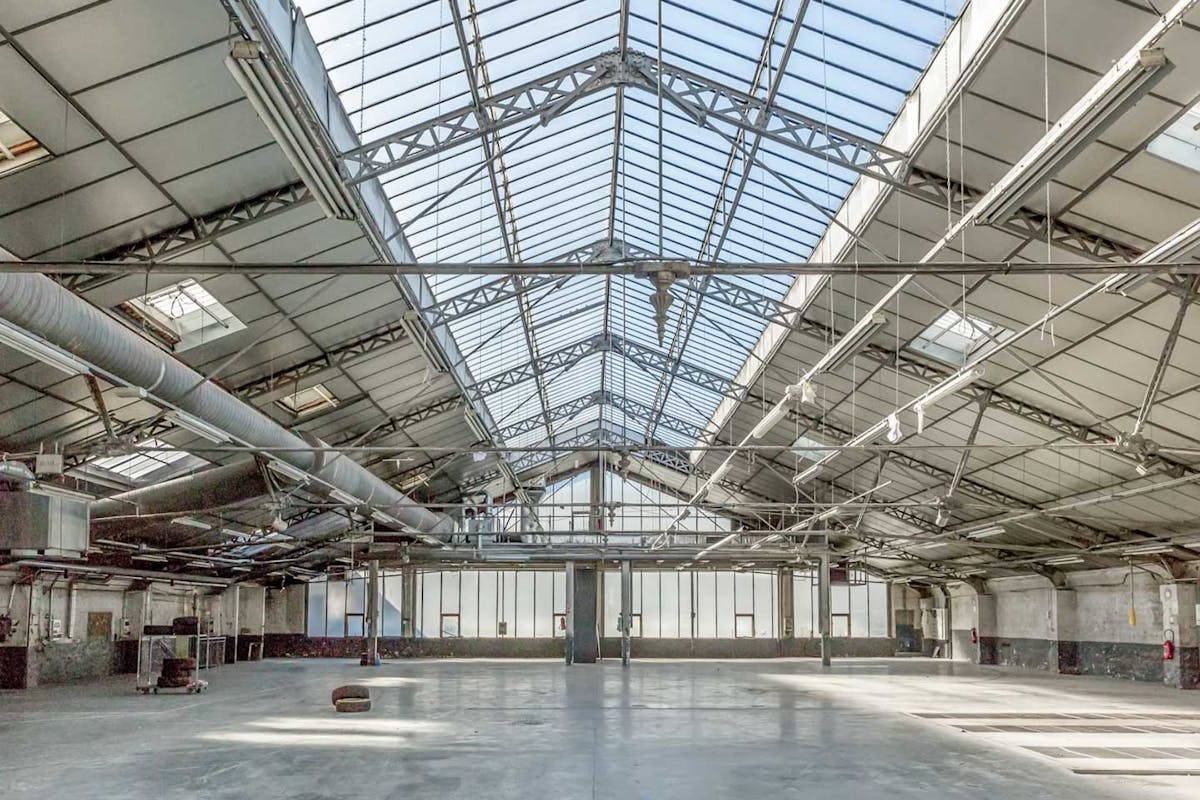
Large commercial space in New York is typically 2,000 square feet or more. The actual threshold depends on your use case: a product launch that needs distinct zones for media and product display, a pop-up that requires full-height walls and load-in access, a showroom needing column-free floors, or a production shoot needing natural light and power capacity. Manhattan lofts in Tribeca, SoHo and the Garment District offer converted warehouse layouts with tall ceilings and open plans. Brooklyn and DUMBO provide industrial-scale square footage. The common denominator is scale, and the ability to shape the space to match your brand environment rather than adapt your event to a fixed layout.
Neighborhoods for Large Commercial Space
Tribeca is a primary market for large-format activations. Its converted warehouse buildings offer 3,000 to 8,000 square foot floor plates with high ceilings and strong natural light, which suits fashion shoots, brand showrooms during trade seasons, and upscale pop-up retail. Tribeca commands premium positioning in the market because of its cast-iron loft infrastructure and downtown brand identity.
SoHo is the highest-demand short-term retail district in New York. Ground-floor frontages are wide and ceilings are tall, built for manufacturing originally, which allows brands to build full-featured storefronts and pop-up installations that smaller units cannot accommodate. SoHo carries more flagship and pop-up activity than any other Manhattan neighborhood. Visibility and foot traffic are the primary drivers; rent reflects that demand.
Midtown Manhattan concentrates office and showroom buildings with large, flexible floor plates. Corporate events, trade appointments, and multi-day activations use these spaces because they are centrally located and offer blank-canvas layouts with direct access to loading docks. Midtown's weekday office population and transit density make it a reliable choice for events that depend on foot traffic or client accessibility.
Chelsea and the gallery corridor west of Tenth Avenue are centers for contemporary art, showrooms, and brand installations. Gallery buildings there offer large column-free floors suited to exhibitions, product installations, and experiential activations rather than conventional retail.
DUMBO and Brooklyn offer warehouse-scale square footage at lower per-foot costs than Manhattan. Industrial loft buildings regularly exceed 5,000 square feet and suit production shoots, experiential events, and large pop-up formats. If your timeline is flexible and your brand can work with a less polished or downtown-Brooklyn aesthetic, DUMBO provides significant cost advantage.
The Garment District is the historic center of American apparel trade and still holds showrooms, sample rooms, and large event spaces configured for wholesale and trade use. During New York Fashion Week in February and September, and around the Armory Show and Frieze New York in spring, the district's spaces book out weeks in advance.
The Lower East Side carries the highest concentration of small independent storefronts in downtown Manhattan, with a dense bar and music scene that generates strong evening foot traffic. For brands testing at street level or looking for an independent, emerging-label aesthetic, it offers a different positioning than SoHo.
For a deeper neighborhood guide, browse the SoHo neighborhood profile to see how specific districts work across multiple space types.
Common Uses for Large Commercial Space
Product launches and press events need room for media attendance, product staging, and branded environments. A 3,000 to 5,000 square foot space gives a brand room to create distinct zones, entry, product display, seating or lounge area, press backdrop, without feeling crowded or generic.
Pop-up retail at larger scale benefits from the ability to carry full inventory, build proper fixtures, and generate visual presence that drives organic engagement. Many DTC and emerging brands use large New York spaces to test new markets or create limited-edition retail experiences.
Showrooms during trade and fashion seasons drive significant demand for spaces above 2,000 square feet. New York Fashion Week in February and September, the Armory Show in autumn, and Frieze New York in spring each concentrate international buyers and press across the city for a defined window. Book early during these periods; availability tightens weeks in advance.
Corporate events and conferences that exceed hotel ballroom capacity turn to flexible commercial spaces. The combination of open floor plans, direct street or loading-dock access, and power capacity makes warehouse and loft formats practical for this use.
Photo and video production, including e-commerce catalogue shoots, campaign work, and commercial film, requires large commercial space with high ceilings, natural light sources, and electrical capacity for lighting rigs. Raw lofts without fitted finishes are ideal for this category and cost less than finished showroom space.
Art and design exhibitions often use commercial galleries and warehouse spaces for temporary shows, artist residencies, and installation work.
For other space types and budgets, large pop-up retail space for rent in New York and other retail options are available across all five boroughs on flexible terms.
Seasonal Demand and Planning
Demand for large commercial space in New York follows a seasonal rhythm tied to industry events and retail peaks. New York Fashion Week in February and September concentrates international buyers and showroom bookings across the Garment District, SoHo, and Midtown. The Armory Show, a major contemporary art fair held each autumn, fills gallery and activation space across Manhattan. Frieze New York in spring brings another wave of collector and institutional activity. NYCxDesign each spring turns showroom and studio space into exhibition and activation venues. The run-up to the December holidays drives pop-up and seasonal retail openings. Late August is typically the quietest stretch of the year, when much of the fashion and media industries leave the city, and rates are most negotiable. If you are planning around a major market or event, secure your space six to ten weeks ahead. For off-peak dates, shorter lead times are possible.
FAQ
What size is considered a large commercial space in New York?
Most renters treat anything from 2,000 square feet upward as large commercial space. Spaces above 5,000 square feet are considered very large and suit major brand activations, multi-day productions, and events that require multiple zones or high audience capacity. Storefront listings include square footage so you can filter to your actual requirement.
Can I rent a large commercial space short-term?
Yes. Storefront is built for short-term commercial space rental in New York, with bookings available from a single day through several months. There is no long-term lease commitment. Most spaces offer flexible terms, and availability varies by neighborhood and season.
Which neighborhoods have the most large commercial space available?
SoHo, Tribeca, Midtown, Chelsea, and DUMBO have the highest concentration of large commercial spaces. SoHo and Tribeca command premium rates because of their cast-iron loft infrastructure and brand visibility. DUMBO and Brooklyn offer better per-square-foot value. Midtown is best for corporate and trade events. The right neighborhood depends on your use case, audience, and budget.
What types of activities are large commercial spaces best suited to?
Large commercial spaces in New York are most commonly used for product launches, pop-up retail, showrooms during trade and fashion seasons, corporate events, photo and video production, and art or design exhibitions. Their scale supports multiple functional zones, full-sized inventory, professional staging, and audience capacity that smaller venues cannot provide.
Are large commercial spaces available for same-week bookings?
Many listings are available on short notice, including same-week bookings. Availability depends on the neighborhood and season. High-demand periods, New York Fashion Week (February and September), the Armory Show (autumn), Frieze New York (spring), book out faster, so earlier planning is advisable for those windows. Off-peak periods offer more flexibility.
What amenities should I look for in a large commercial space?
Consider load-in and loading dock access (critical for fit-out and heavy equipment), power capacity for lighting or displays, natural light if photography or visual presentation is part of your plan, WiFi and phone connectivity, climate control if climate-sensitive goods or long-term events are planned, and bathroom and kitchen facilities. Raw loft spaces offer flexibility but require more build-out; finished showroom spaces reduce preparation time. Each has different cost implications depending on your timeline and brand presentation needs.


