Why Rent Large Commercial Space in Montreal
Montreal offers something most North American cities do not: a serious commercial market at a fraction of what Toronto, Vancouver or any US gateway city charges. Rents here are materially lower, which means a brand testing a large-format activation, a corporate conference or a multi-day exhibition can afford to take more floor area and run longer without the budget pressure that comes with New York or Los Angeles. The city sits on an island in the St Lawrence, so geography is compact: large commercial space in central boroughs puts you within reach of a dense, predominantly French-speaking population and a substantial visitor base concentrated in the summer festival season.
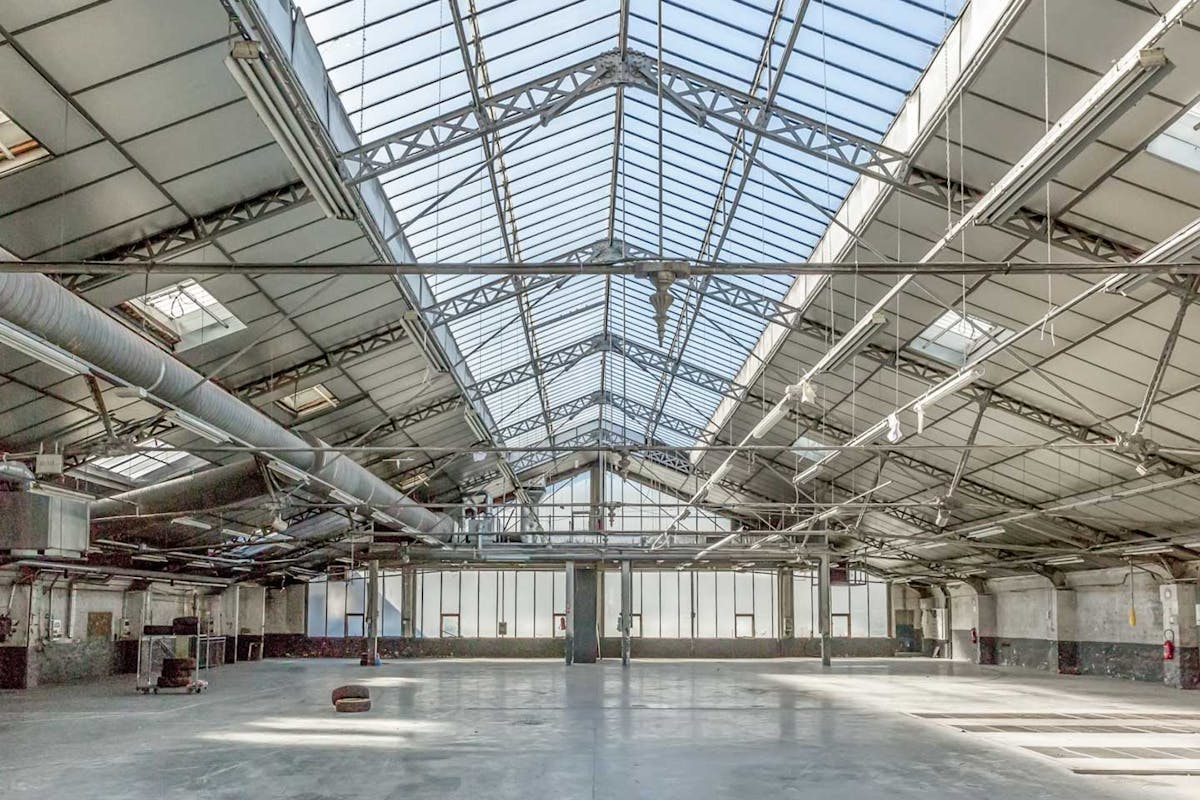
Large commercial space rental in Montreal serves a wide range of formats. Corporate events and conferences benefit from open-plan warehouse and loft units. Product launches and brand activations find room in converted industrial buildings. Exhibitions and trade shows use high-ceiling ground-floor units with street access. Pop-up food halls and culinary activations draw on the city's strongest international asset: its food reputation.
For brands arriving from outside Quebec, one fact matters above all others: French is the language of law, signage and public life. Commercial signage visible from outside must be in French with marked predominance, staff must be able to serve customers in French, and all contracts, invoices and receipts must be provided in French. Budget for a French-first presence from the outset.
Typical Rates for Large Commercial Space in Montreal
Most large commercial space in Montreal falls within these ranges:
-
Daily rental: from CA$500 to CA$600
-
Weekly rental: from CA$2,000 to CA$3,000
Rates vary by location, ceiling height, fit-out level and season. Summer festival months and the December holiday market period see the highest demand. A large space downtown will sit at the upper end; a converted unit in an outer borough will sit lower.
Final rates depend on duration, exclusivity, and event timing. Pricing shown reflects typical asking ranges for spaces in the area; final booking terms are negotiated directly with the host.
What Large Means in Practice
A large commercial space typically starts where a standard retail unit stops. Think open floors that accommodate seated conferences, product displays with circulation room, multi-station food service, or exhibition layouts with distinct zones. The city's typical building stock shapes what is available: Montreal's two- and three-storey walk-ups line long terraces, with retail at grade in narrow units on a fine-grained street, particularly in the central boroughs.
Common formats renters book large space for include:
-
Corporate conferences and town halls
-
Product launches and brand activations
-
Art exhibitions and gallery pop-ups
-
Multi-vendor food halls and culinary events
-
Film and television production, for which Montreal is a major center
Permit requirements depend on the space and the borough, so confirm them before you finalize the site.
Choosing the Right Part of the City
Montreal's boroughs have real devolved powers over permits and zoning, so the answer to most regulatory questions starts with which borough the address sits in. The central boroughs concentrate the largest share of commercial inventory, but character and audience differ across them.
Keep in mind that the city is an island: the eastern and western ends are genuinely remote from the center, and every approach crosses a bridge or a tunnel. Deliveries, staff commutes and customer catchment all inherit that geometry. A large space that looks cheap on the periphery may cost more in logistics than it saves in rent.
For a broader view of what is available across the city, browse all Montreal spaces. If your large space needs a commercial kitchen, check storefronts with kitchen facilities in Montreal. Brands planning a pop-up store rental will also find large-format options suited to temporary retail.
Seasonal Demand and Planning
Demand for large commercial space in Montreal peaks during the summer festival season, when visitor footfall is at its highest and outdoor programming fills the central boroughs. The December holiday markets create a second spike, particularly for food and retail activations. Winter, which lasts roughly five months from late November into April, shifts all activity indoors: outdoor formats are impossible, and any large space needs a vestibule, coat storage and heating that survives a door opening constantly.
Quebec's statutory holiday calendar differs from the rest of Canada. The Fête nationale on 24 June is a statutory holiday when most retail closes. Moving Day, around 1 July, is unique to Quebec: residential leases turn over and the city moves house at once, creating spikes in furniture, homeware and storage demand. The construction industry holidays in late July close a large part of the trades for two weeks, which affects any fit-out schedule.
For brands looking at mall booth, kiosk or corner rentals, the same seasonal patterns apply, and indoor mall space becomes especially valuable during the long winter months.
FAQ
What counts as a large commercial space?
There is no fixed threshold, but large typically means enough open floor for a seated conference, a multi-zone exhibition or a production with crew and equipment. Most renters looking for large space need high ceilings, wide access for loading, and room to build out distinct areas within the footprint.
How far in advance should I book a large space in Montreal?
Summer and December are the busiest periods and spaces fill early. Corporate events with alcohol service may require permits from local authorities, and requirements depend on the space and the nature of the activity, so confirm what applies before booking.
Are prices shown inclusive of tax?
No. In Quebec, federal GST and provincial QST are added at the point of sale, not included in the listed price. Expect the final amount to be roughly 15% above the quoted rate.
Can I book a large space for a single day?
Yes. Daily rentals for most large spaces in Montreal run from about CA$500 to CA$600. Longer bookings at the weekly rate often represent better value.
What should I know about language requirements?
French is the official language of Quebec. All commercial signage, packaging, contracts, invoices and receipts must be in French, and staff must be able to serve customers in French. This is enforced law, not a suggestion, and it applies from day one.