Why Rent Large Commercial Space in Toronto
Toronto is Canada's largest city and its commercial capital, home to the country's densest concentration of banking, media, technology and advertising. Roughly half the city's residents were born outside Canada, producing a consumer market with no single default customer and real appetite for new brands and formats. For a brand that needs room to operate at scale, a large commercial space rental in Toronto puts floor area, foot traffic and a diverse audience in one booking.
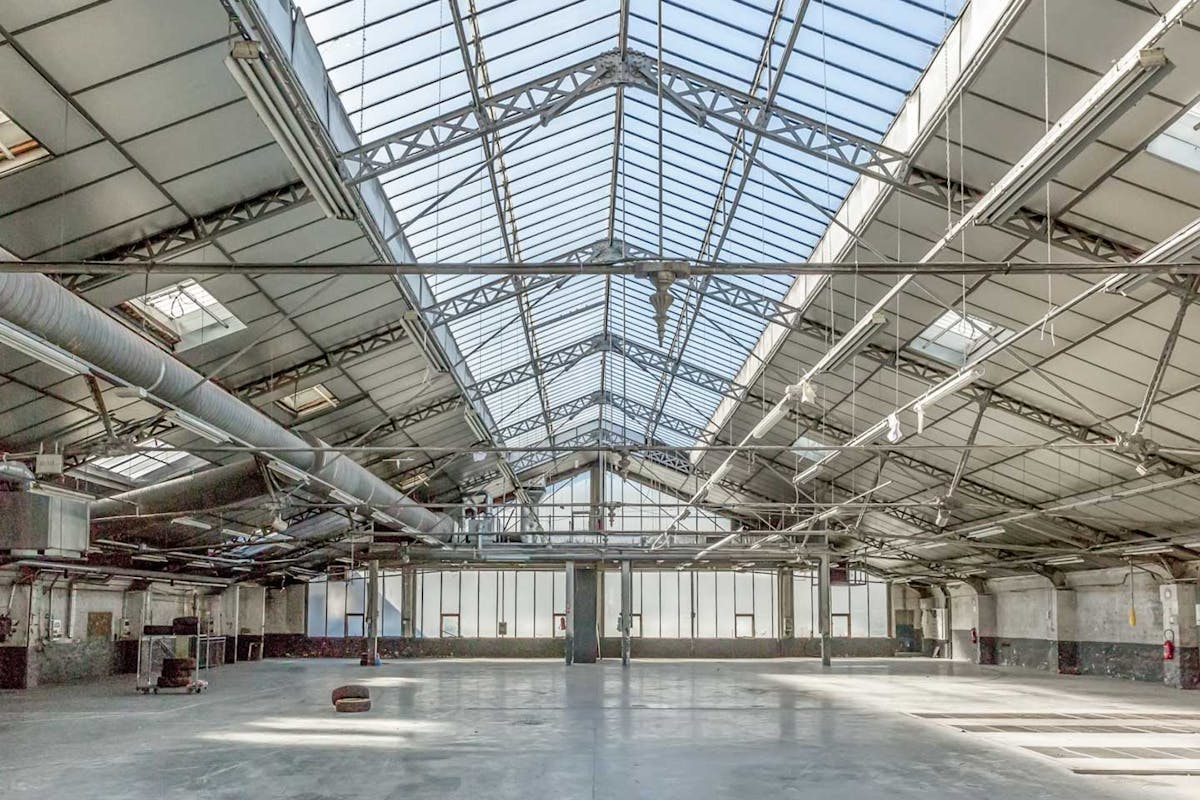
Large commercial space covers everything from open-plan ground-floor units suited to multi-brand pop-up shops and seasonal retail expansions, to raw or industrial volumes used for exhibitions, product launches, corporate events and trade shows. The common thread is square footage: enough of it that a brand can build out a full environment rather than squeezing into a standard storefront. Daily rates typically sit around CA$500 to CA$800 a day, making a short booking materially cheaper than locking into a long-term lease for a single activation or test.
Final rates depend on duration, exclusivity, and event timing. Pricing shown reflects typical asking ranges for spaces in the area; final booking terms are negotiated directly with the host.
Who Books Large Space and What For
The audience for a large commercial space for rent in Toronto breaks into a few clear groups:
-
Brands running seasonal retail expansions or multi-week pop-up shops that need selling floor, storage and a fitting area under one roof
-
Agencies and corporates staging product launches, press days or brand activations where the space itself is part of the experience
-
Exhibition organizers, design studios and galleries mounting shows that require ceiling height and open floor plans
-
Multi-brand collectives sharing a single large unit to split costs and cross-promote during a festival or market weekend
Toronto's large advertising, media, music and design sector gives the city a professional creative audience with real spending power, and that audience is usually the one a brand activation is trying to reach. The city is also one of North America's largest film and television production centres, so demand for flexible large-format space runs year-round.
Toronto's Commercial Geography
Toronto is organized around long commercial main streets that follow the old streetcar routes: Queen, King, Dundas, College, Bloor and Ossington among them. Choosing a location means choosing a street and then a stretch of it, because the character changes completely within a few blocks.
The city has been through an extraordinary condominium boom that delivered dense residential towers into former industrial districts across the core. That has created pockets where population arrived well ahead of retail, and those gaps are where the clearest large-space opportunities now sit: motivated landlords, available square footage and a built-in local audience.
Several central main streets carry visible retail vacancy, and that is leverage for a temporary brand looking for a large commercial space rental in Toronto. Available units and motivated owners make short-term terms easier to negotiate than they would be in a tighter market. Browse all available spaces across the city on the Toronto search page.
Seasonality and Timing
The Toronto year splits into two halves, and the patio is the hinge. From roughly May to October the city lives outdoors: patios take over sidewalks and curb lanes, street festivals run most weekends and footfall on the main streets transforms. A near-continuous run of summer street festivals, most organized by local business improvement areas, closes stretches of main streets for weekends at a time, creating accessible temporary retail opportunities negotiated street by street.
Winter runs roughly December to March and moves trade indoors. The PATH, a climate-controlled underground walkway spanning tens of kilometres beneath the downtown towers, carries a very large share of downtown foot traffic through the cold months. Street-level units compete directly with the level below them.
The retail calendar peaks at Christmas, with Black Friday firmly established and Boxing Day still a major trading day. The Toronto International Film Festival in September is the city's biggest commercial week, filling the entertainment district with international press, talent and brand activations. Space in that corridor books far ahead. Art Toronto in the autumn is the country's principal art fair, and DesignTO in January gives brands one of very few reasons to programme anything in a Toronto January.
If you are looking for more affordable large commercial options, see the cheap commercial property listings for Toronto.
Practical Considerations
Deposits, insurance and cleaning terms are set by each host and vary by space, duration and the kind of activity planned. Confirm what is included before booking, particularly utilities, parking access and loading arrangements, which matter more for large units than for standard retail.
Toronto's transit system combines subway lines with an extensive streetcar network running along exactly the retail strips a brand wants, and Union Station is the busiest transport hub in the country. The central districts are dense and walkable on the summer grid, though deliveries need scheduling around congestion that is widely described as among the worst in North America.
For brands considering a mall booth, kiosk or corner setup as an alternative to a standalone large unit, the PATH and the downtown malls offer a different kind of large-format footfall, particularly in winter.
FAQ
What counts as a large commercial space?
There is no fixed threshold, but on this page the listings share enough floor area for a brand to build out a full environment: multi-zone retail, exhibition halls, open-plan event floors or multi-brand pop-up formats. If you need selling floor, storage and a reception area under one roof, these are the spaces to consider.
How far ahead should I book a large space in Toronto?
It depends on the season. Space around the Toronto International Film Festival in September and during the Christmas market period in the Distillery District books months in advance. Outside peak weeks, shorter lead times are common, but larger units have fewer substitutes, so earlier is better.
What is included in the rental rate?
Every listing sets its own terms. Some include utilities, wifi and basic furnishings; others provide a raw shell. Confirm what is covered directly with the host before committing, especially for a large unit where utility costs can be material.
Can I customize or build out the space?
Many large commercial spaces in Toronto welcome temporary build-outs, signage and branding, but the scope depends on the landlord and the property. Heritage properties in particular may have restrictions on signage and structural changes. Discuss plans with the host early.
What is the minimum rental period?
Rentals are available from a single day upward. A pop-up store rental can run for a weekend activation or stretch across several weeks for a seasonal campaign. Duration is agreed directly with the space owner.