What defines a small store or boutique space
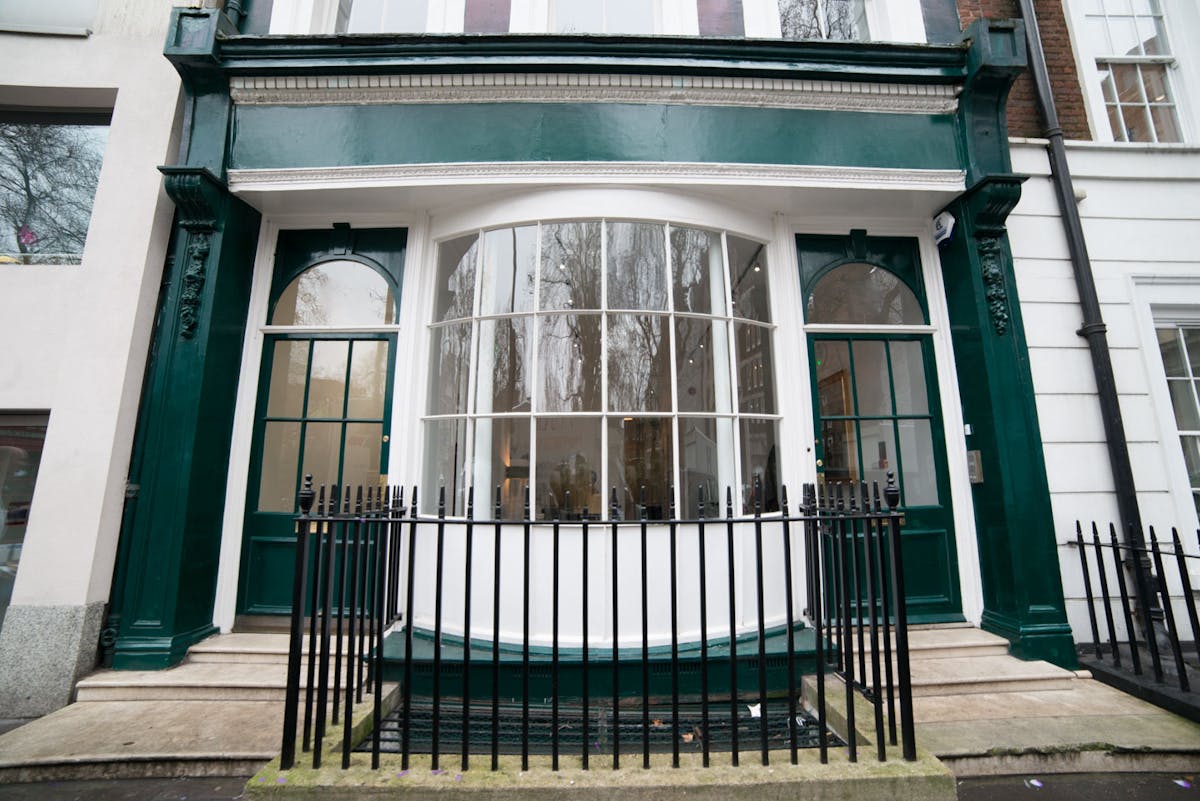
Small stores and boutique spaces in Paris occupy the middle ground between a pop-up kiosk and a full-size shop. A small store typically sits between 30 and 80 square metres with a prominent street-facing window, simple fixtures and a neutral shell, ideal for a two-week launch or a three-month seasonal run. A boutique space stretches to 150 square metres, often with design finishes, exposed brick or period features, and a more curated aesthetic. Both are rented on short-term terms: daily for events and testing, weekly for Fashion Week activations, and monthly for brands building a longer presence.
The distinction matters because street-facing units command premium foot traffic and visibility, while interior boutiques (tucked into a passage or courtyard) attract a more intentional, design-conscious customer. Most small stores in Paris sit on ground level on a named street; many are protected under Paris retail law, meaning they have been retail for years and carry the character their neighbourhood is known for.
Top neighbourhoods for boutique retail in Paris
Marais (3rd and 4th): The densest cluster of independent fashion boutiques in Paris, centred on Rue de Turenne, Rue Vieille du Temple and Place des Vosges. Foot traffic is heavy year-round, skewing toward tourists and affluent Parisians seeking designer and emerging brands. Rents reflect the premium positioning but units turn over regularly as brands cycle through seasonal activations.
Canal St-Martin (10th and 11th): A younger, more experimental neighbourhood where emerging brands test concepts before moving to Marais or the Left Bank. The canal-side setting and independent retail mix attract food, design and lifestyle buyers. Less foot traffic than Marais but higher intent, renters here expect a customer who has actively chosen the area.
Le Bon Marché quarter (6th): Saint-Germain-des-Prés and the surrounding Left Bank hold the city's established upmarket retail, anchored by the department store and galleries on Rue du Bac. Boutiques here tend toward luxury fashion, design and art; rents are high but the customer base is affluent and loyal to the neighbourhood.
Pigalle (9th): One of Paris's most active areas for independent retail, record shops and fashion, with a younger customer than Marais or the Left Bank. It has become a destination for emerging brands and cultural activations, with lower rents than central districts but strong footfall during evening and weekend hours.
Champs-Élysées (8th): The avenue itself is dominated by flagship stores and luxury chains, but side streets and passages hold smaller boutiques and showrooms. Space here is premium, but visibility is global and the customer base is international and luxury-focused.
Pricing and booking terms
Rates for small stores and boutique spaces in Paris start at €250 per day for a modest street-facing unit and rise to €475 per day for prime Marais or Champs-Élysées locations. Weekly rentals typically range from €1,288 to €2,500 depending on size, position and season. Monthly rates reflect deeper discounts and run from €3,600 to €7,000 for most spaces. Final rates depend on duration, exclusivity, and event timing. Pricing shown reflects typical asking ranges for spaces in the area; final booking terms are negotiated directly with the host.
Short-term rentals are flexible by design: most spaces accept one-day bookings, though a 7–14 day minimum is common during peak seasons. Many boutique spaces in protected retail areas come with a bare shell, so budget for basic fixtures and a window display if you are not bringing your own. Deposits, insurance and cleaning are agreed directly with the landlord and vary by space, by duration and by the kind of activity.
When to book
Paris retail follows a seasonal calendar shaped by Fashion Week and the holiday period. Demand peaks in late August and early September ahead of Paris Fashion Week (expected late September), when brands launch collections and book street-facing units for trunk shows and customer events. The November-to-December holiday season brings sustained retail momentum, with Christmas markets and festive activations running from mid-November through early January. August is the quietest month, much of Paris's independent retail closes for the summer, and foot traffic drops sharply. Spring (April to May) and early autumn (June to July) offer moderate booking windows with lighter competition than peak periods. Booking 4 to 6 weeks in advance gives you the best choice of units and allows time to plan your activation.
FAQ
Can I rent a boutique space for just one day?
Yes. Many small stores and boutique spaces in Paris accept day rentals, particularly during off-peak periods. Peak-season one-day bookings (Fashion Week, Christmas) are rarer and command premium rates. Most spaces prefer a minimum of 3–7 days, but it is worth enquiring on specific listings, terms vary by landlord.
Do boutique spaces come with fixtures and furniture?
Rarely. Most small stores in Paris rent as a bare shell: walls, floor, lighting and a window. You bring your own display units, rails, signage and fittings. Some landlords allow you to install temporary fixtures; others restrict changes. This is always negotiated in the listing or during enquiry. Budget for basic display costs if you do not have your own.
What is the difference between a small store and a boutique space?
Small stores typically measure 30–80 square metres with a simple layout and basic finishes, suited to a pop-up or short-term activation. Boutique spaces stretch to 150 square metres, often with design details like exposed brick, timber or period features, and appeal to brands seeking a more curated setting. Both rent short-term; the choice depends on your budget, aesthetic and target customer.
Is street-facing position always better?
For most retail activations, yes, street-facing units draw passive foot traffic and visibility. Interior spaces tucked into passages or courtyards attract fewer passersby but draw a more intentional customer. If your brand relies on walk-in discovery, prioritise street-facing; if you are targeting a niche or design-conscious buyer, interior boutiques often offer better value and a more selective setting.
What permits or licenses do I need?
Requirements depend on the space and the local authority, and are worth confirming before booking. A short-term retail activation typically requires declaration to the local tax office if you are operating from France for the first time. If you are bringing stock from another country temporarily, an ATA carnet may help avoid import duty. Discuss compliance details directly with the space owner during enquiry.
How far in advance should I book?
For peak periods (Fashion Week, Christmas), book 6–8 weeks ahead. For off-peak and shoulder seasons, 4 weeks is usually sufficient. Last-minute bookings are sometimes possible, especially for lesser-known neighbourhoods or smaller units, but choice is limited and rates may not reflect discounts.
Explore more: Pop-Up Store Rental · Storefront With Apartment