What is a boutique retail space.
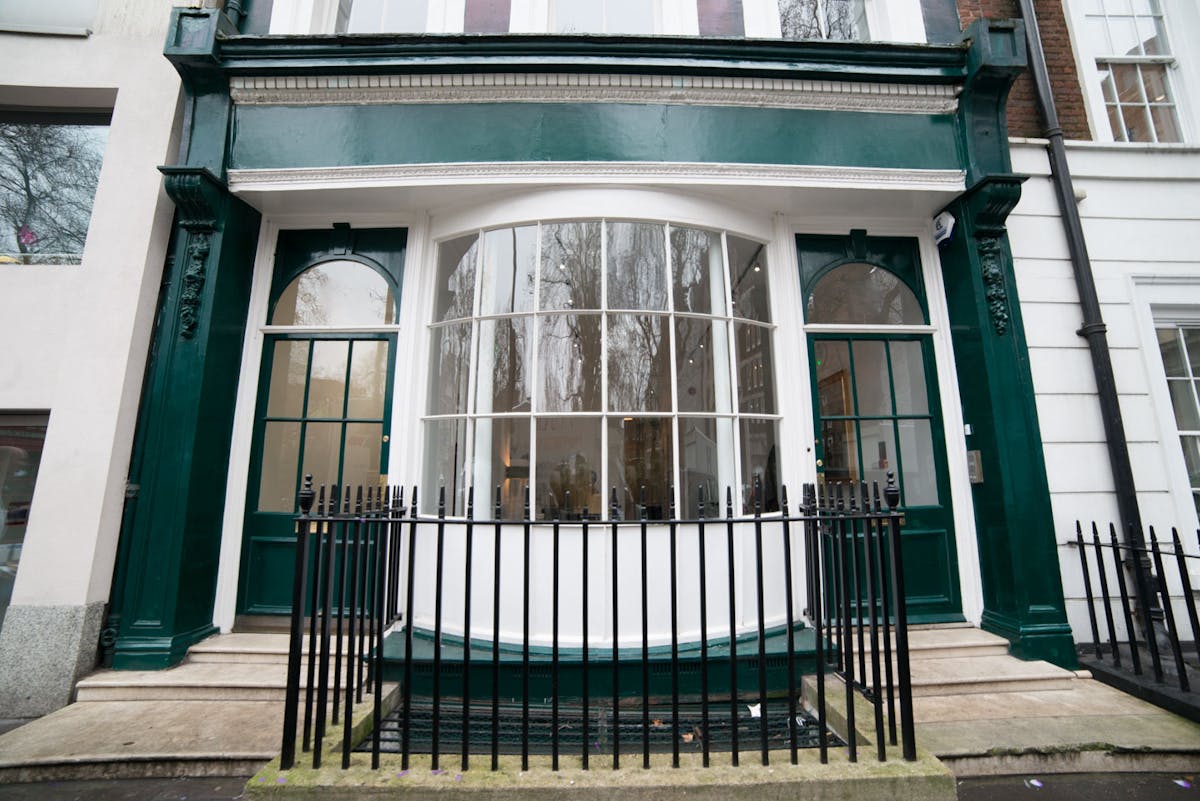
Boutique retail in London means a small, often characterful shopfront, usually a narrow Victorian or Georgian ground floor, sometimes with basement space, typically occupied by independent fashion labels, designers, homeware brands, galleries or emerging retailers. The spaces carry raw or refined interiors, high ceilings and distinctive frontages, which is why brands choose them over larger chain units. Boutique retail trades on aesthetic and discovery rather than reach, so the right neighbourhood and footfall type matter more than absolute visitor numbers.
Where boutique retail clusters in London.
Boutique spaces concentrate in five key districts, each with a distinct customer and trade pattern.
Shoreditch is the highest-demand short-term retail district in London for independent labels. Its former warehouse and light-industrial stock gives wide ground-floor frontage and raw interiors, which is why brand activations and emerging designers take space here. The customer skews young and the area trades hardest in the evening and at weekends.
Covent Garden combines very high visitor footfall with small-unit retail around the covered market and Seven Dials. It is one of the most established routes into temporary retail in London, with both permanent shopfronts and short-let stall space inside the market halls themselves.
Brick Lane is known for vintage retail, street food and weekend markets. Frontages are small, rents lower than the West End, and trade is heavily concentrated at weekends, making it ideal for brands testing a pitch or targeting a young, creative customer.
Notting Hill is affluent and residential, with retail concentrated on a handful of streets around Portobello and Westbourne Grove. It combines a strong weekend visitor draw with a wealthy resident catchment, and independent retail is the norm.
Soho is dense, small-unit and mixed, with narrow frontages and tight streets. It suits a compact, characterful space rather than a flagship, and trades to a mix of media professionals, office workers and evening visitors.
Boutique retail vs high street retail.
High-street retail, Oxford Street, Regent Street, the King's Road, prioritises reach and large-format units occupied by national and international chains. Boutique retail prioritises character, discovery and a curated customer. The boutique neighbourhood is a destination in itself; the high street is a corridor. A boutique space in Shoreditch or Brick Lane lets a brand reach a specific, intent-qualified audience; a chain unit on Oxford Street reaches everyone passing by. Both have their place; the choice depends on the customer the brand is trying to find.
Pricing and booking patterns.
Small boutique spaces in London typically rent from around £150 to £310 per day for weekly bookings, or £613 to £1,500 per week for longer lets. Final rates depend on duration, exclusivity, and event timing. Pricing shown reflects typical asking ranges for spaces in the area; final booking terms are negotiated directly with the host.
Booking lead times run from a few days for casual pop-ups to four to six weeks for premium spaces during peak seasons. Demand peaks around London Fashion Week in February and September, through the run-up to Christmas, and around the autumn art and design festivals. August is the quietest month, when much of the city leaves.
How to book a boutique space on Storefront.
Browse the listings below by neighbourhood, size or price. Enquire directly on a space you like and talk to the owner about your dates, activity and fit-out needs. All the details, rates, deposits, cancellation terms, what's included, are agreed between you and the space owner on the platform. The listings are qualified before they go live: the address is real, photographs are present, and the owner is a real, contactable person.
FAQ.
What counts as a boutique retail space.
A boutique retail space is a small, often characterful shopfront, usually under 500 square metres, with distinctive interiors or frontage. It may be a former bank, office or residential unit converted to retail under permitted development, or a purpose-built shop in a historic building. The defining quality is the space itself, it attracts a customer seeking discovery and aesthetic, rather than a chain retailer seeking reach.
How long can I book a boutique space for.
Boutique spaces on Storefront are available for any duration from one day to several months. Most bookings run two to four weeks, though shorter pop-ups and longer seasonal lets are common. Check the individual listing for the owner's minimum and maximum terms.
Which London neighbourhood is best for my brand.
That depends on your customer. Shoreditch and Brick Lane attract young, creative, evening-led shoppers and are ideal for fashion, design and emerging brands. Covent Garden and Seven Dials draw international visitors and suit galleries and flagship launches. Notting Hill and Portobello appeal to affluent residents and weekend visitors, ideal for homeware and established independent labels. Soho suits compact, late-trading formats with a media and creative professional customer.
Do I need permission to fit out a boutique space.
Under English planning law, moving from one use to another inside the retail and office class (Class E) is not development and does not require planning permission. Many boutique units in central London sit inside conservation areas or listed buildings, which may constrain external changes such as signage or shopfront colour, so check the listing or ask the owner before committing to a design. You should also confirm any local street trading or pavement licence requirements with the borough.
What insurance and deposits do I need.
Deposits, insurance and cleaning terms are agreed directly with the space owner and vary by space, duration and activity. There is no single rule across all listings. Check the individual listing for details, or ask the owner what they require.
What neighbourhoods have the most boutique retail availability right now.
Availability shifts with demand and seasons. Shoreditch, Covent Garden and Brick Lane consistently carry the most short-term listings. Use the filters below to search by neighbourhood, price or duration and see what is available for your dates.