Toronto is organized around long commercial main streets rather than malls, following the old streetcar routes that still run through the core. That layout is built for small retail: compact storefronts sit shoulder to shoulder along these corridors, each with its own entrance and street-level window. A boutique space on the right stretch puts a brand directly in front of the foot traffic that defines the street, without the overhead of a large flagship unit.
The city is also one of the most diverse in the world, with roughly half its residents born outside Canada. There is no single mainstream customer, which means a small, focused concept aimed at a specific community or taste often outperforms a broad one. A compact space keeps costs proportional to the test, and a short rental keeps the commitment proportional to the risk.
For brands entering the Canadian market for the first time, Toronto is typically the first stop. It is the country's financial capital and the center of its advertising, media and design industries, so the professional creative audience a brand activation usually targets is concentrated here. Browse retail space in Toronto to see the full range of available units across the city.
What a Small Store or Boutique Space Looks Like Here
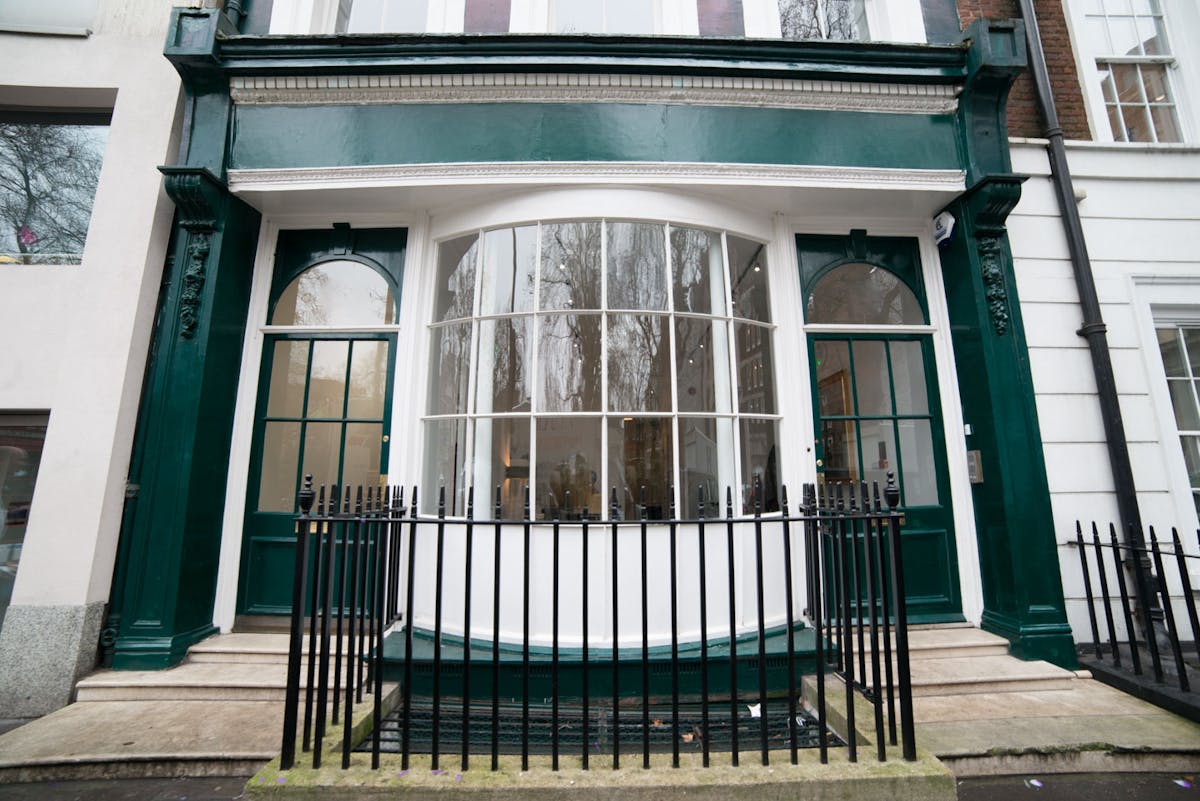
Toronto's main-street format means most small retail units share a few characteristics. They are ground-floor, with a window onto the sidewalk and a single entrance at street level. Many sit in older two- or three-story buildings with residential or office space above, so the footprint is narrow and deep rather than wide and shallow.
That shape suits a pop-up shop, a capsule collection, a product sampling station or a test retail concept. It also suits a brand that wants a storefront with apartment above, since the building stock naturally separates commercial and residential floors.
Formats that work well in these spaces:
-
Pop-up retail for a weekend, a week or a full season
-
Seasonal activations tied to the city's festival calendar or the Christmas market period
-
Test-and-learn concepts before committing to a permanent lease
-
Brand sampling and direct-to-consumer launches
-
Concession-style setups inside a host retailer's existing unit
Timing and Seasonality
The city has two distinct halves. From roughly May to October, Toronto lives outdoors: patios take over sidewalks, street festivals run most weekends and foot traffic along the main streets transforms. That is peak season for street-level retail, and small stores and boutique spaces for rent in Toronto move quickly during those months.
Winter runs from December through March and moves trade indoors. The PATH, a climate-controlled underground network linking the downtown office towers, carries a very large share of downtown foot traffic during the coldest months, and street-level units compete with the level below. A winter pop-up works, but it works differently: the Christmas market in the Distillery District is the city's defining festive retail event, and the run-up to it is one of the strongest booking windows of the year.
Between festivals, the quieter stretches are where flexibility pays. Off-peak months and midweek dates typically ask less, and a host with a gap in their calendar is often open to a better rate for a booking at short notice.
How to Spend Less on a Small Space
A small store or boutique space in Toronto asks less than a larger unit or a prime corner on the same street. Beyond choosing a compact footprint, several levers bring the cost down further:
-
Duration. A longer booking usually earns a better daily rate, because a host is pricing continuity rather than a single let.
-
Position on the street. A unit a few doors round the corner from the main run keeps much of the passing trade at a lower asking rate.
-
Floor. Ground floor with a window commands the most. First-floor or basement space in the same building asks less.
-
Fit-out. A finished, furnished space costs more than a raw one. If the brand is bringing its own build, the raw space is the better buy.
-
Flexibility. Being open on dates is what makes a quiet week worth filling.
For the most affordable options across the platform, see cheap storefront listings.
Measuring What the Space Earns
A temporary small store is a test, and a test is only useful if it produces numbers. Before opening, set the metrics the pop-up needs to justify: foot traffic through the door, conversion rate, average transaction value, email sign-ups or social impressions. Read the full breakdown in How to Measure Pop-Up Shop Success: KPIs, Metrics and ROI Guide for the framework that applies to a short-run retail space.
Permitting and local compliance are worth confirming before signing. Toronto has specific rules around signage, food service and accessibility that apply to temporary retail. The Pop-Up Shop Permits and Licenses: What You Need to Know guide covers the categories to check.
FAQ
What deposit terms should I expect on a small store rental in Toronto?
Deposit amounts and return timelines are agreed directly with the space owner and vary by listing, duration and the kind of activity planned. The deposit terms are set out before you confirm a booking, so ask the host during the inquiry conversation.
What is typically included in the rental rate?
Inclusions differ from one listing to the next. Some spaces come furnished with lighting, shelving and wifi; others are raw shells. Each listing states what is provided, so check the details page before inquiring and confirm anything critical with the host.
How does access work for a short-term small store?
Key handover, entry codes and access hours are arranged between the renter and the space owner. Most hosts confirm the logistics once dates are agreed, and the listing page will note any restrictions on operating hours.
Can I alter or brand the interior of the space?
That depends on the host and the property. Some owners welcome full fit-outs; others allow only non-permanent changes such as decals, removable shelving and freestanding signage. Confirm what is permitted before booking, and agree in writing what the space should look like at the end of the rental.
What happens if I need to change my dates after booking?
Cancellation and amendment terms are set out in the booking terms and in the individual listing. The amount of notice required for a change varies, so review those terms before confirming and raise any flexibility needs with the host early in the conversation.