What counts as a small store or boutique space in Montreal
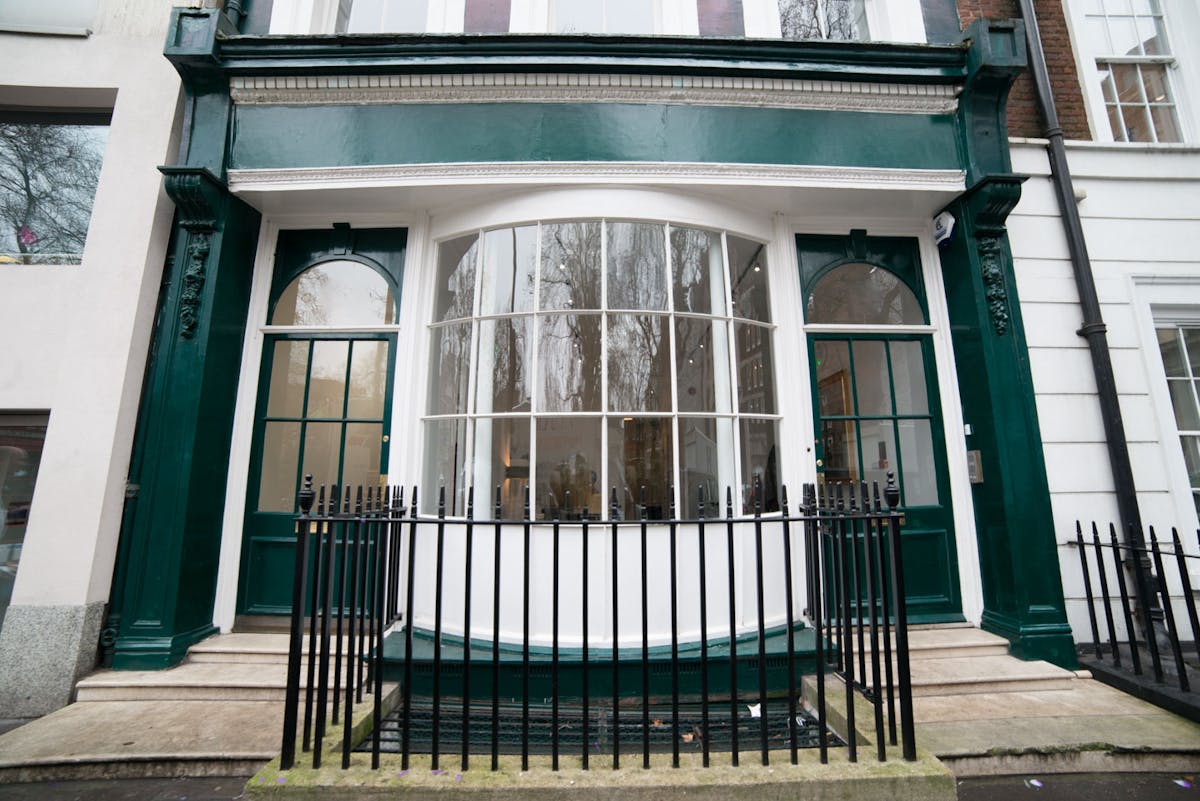
The two words do different work. A small store is defined by its footprint: a compact, street-level unit sized for a single brand rather than a department. A boutique space is defined by its character: a curated, design-conscious setting that frames a product rather than just holding it. Montreal delivers both in the same unit with particular regularity, because the typical building here is a two or three storey walk-up with narrow ground-floor retail under residential floors, built in long terraces with those signature exterior spiral staircases. The result is a city full of fine-grained, independently scaled units that suit a single-brand activation without modification.
For emerging designers testing a first physical format, for brands running a sample sale or a seasonal pop-up shop, or for a label launching a capsule collection, these small stores and boutique spaces sit at the right scale and the right price. Montreal's rental rates sit well below Toronto, Vancouver or any US gateway city, which is the single biggest reason the independent retail scene here survives and why the city works as a place to test a concept affordably.
If you are looking across the full retail space in Montreal, the broader search covers every size and format. This page narrows it to the compact, character-driven end of the market.
Who books small boutique spaces here
-
Emerging designers and independent labels running a first or second physical retail test
-
Brands staging a sample sale or end-of-season clearance in a temporary storefront
-
Pop-up concepts tied to a specific moment: a product launch, a collaboration drop, a limited-edition run
-
International brands entering the Canadian market at low risk, using Montreal's lower cost base to learn before committing to Toronto or Vancouver
-
Artists and makers selling directly during festival programming or the Christmas market season
The small and boutique modifier matters commercially because these renters are not looking for a bare warehouse or a full-floor flagship. They want a space that already reads as a shop, with a street-facing window, a finished interior and a footprint they can fill convincingly with a focused range.
When demand peaks and how to pay less
Montreal's retail calendar concentrates demand around a few moments. The weeks before Christmas are the busiest, with holiday retail activations and gift-oriented pop-up shops competing for the best units. Summer brings the festival season and a sharp rise in visitor footfall, so brands targeting tourists book early. The rest of the year is quieter and rates reflect it.
The real levers on price for small stores and boutique spaces rental in Montreal are practical:
-
Timing. Midweek dates and off-peak months ask less than weekends and holiday season. Booking outside the Christmas and summer windows stretches a budget further.
-
Duration. A longer booking usually earns a better daily rate than a single day, because a host is pricing continuity rather than a one-off let.
-
Position on the street. A side street a few doors off the main commercial run asks materially less while keeping much of the passing trade.
-
Floor. Ground floor with a window commands the most. A basement or first-floor unit in the same building asks less.
-
Fit-out. A finished, furnished space costs more per day than a raw one. If the brand is bringing its own build, the raw space is the better buy.
-
Flexibility. Being open on dates, or able to take a space at short notice when a host has a gap, gives a host a reason to come down.
Rates vary by location, size and season. Ask the host for current pricing when you enquire.
What makes Montreal different for boutique retail
Montreal is a French-speaking city with a large bilingual population, and those are different things. French is the language of law, signage and public life. Commercial signage must give French markedly predominant presence, and that rule tightened in June 2025 with no grace period. A brand reusing its standard international shopfront without adapting it is non-compliant from day one. Staff must be able to serve customers in French. Invoices, receipts and contracts must be available in French. For an international label arriving with English-only materials, this is a production requirement, not a courtesy.
The city sits on an island in the St Lawrence, so every approach is a bridge or a tunnel. Deliveries, staff commutes and catchment all inherit that geography. Winter lasts roughly five months, with heavy snow, sustained sub-zero temperatures and salted, narrowed sidewalks. A shopfront here needs a vestibule, space for wet boots and coats, and heating that survives a door opening every thirty seconds. The glass-box format that works in warmer cities does not work here from November to April.
Sales tax is added at the till rather than shown on the shelf, so the customer pays about 15 percent above the displayed price. Price your range with that in mind, and make it clear at the till that tax is added.
For a detailed look at permitting for temporary retail, the Pop-Up Shop Permits and Licenses guide covers the essentials. And once the pop-up is running, the guide to measuring pop-up shop success walks through the KPIs that matter.
Pairing a small store with other formats
A boutique space does not have to stand alone. Brands running a Montreal activation sometimes pair a compact retail unit with a storefront with apartment so the team lives above the shop for the run. Others combine a small store with a pop-up fashion store in Montreal to test two locations or two price points in the same city at once. The broader pop-up store rental project page covers the full range of temporary retail formats if the search here is too narrow.
FAQ
What is typically included in a small boutique space rental?
It depends on the listing. Some spaces come furnished with shelving, lighting and a till area. Others are delivered as a raw shell for the brand to fit out. Utilities, wifi and cleaning arrangements vary by host. Each listing states what is and is not included, so check before you enquire.
How far in advance should I book?
For peak periods like the weeks before Christmas or the summer festival season, booking several weeks ahead gives the widest choice. During quieter months, shorter lead times are realistic and some hosts accept bookings at relatively short notice.
What is the minimum booking duration?
Minimum duration is set by each host and varies from one day to several weeks. Many small stores and boutique spaces in Montreal are available for single-day bookings, while others ask for a minimum of a week or longer.
Who handles the deposit and cancellation terms?
Deposits, insurance and cancellation terms are agreed directly with the host and vary by space, duration and the kind of activity. The booking terms and the individual listing set out the details before you confirm.
Can I brand or alter the space during my rental?
That depends on the host and the terms you agree. Some spaces allow full branding, window wraps and interior changes. Others restrict modifications to protect their fit-out. Ask the host what is permitted before you book, and confirm whether the space needs to be returned to its original state at the end.