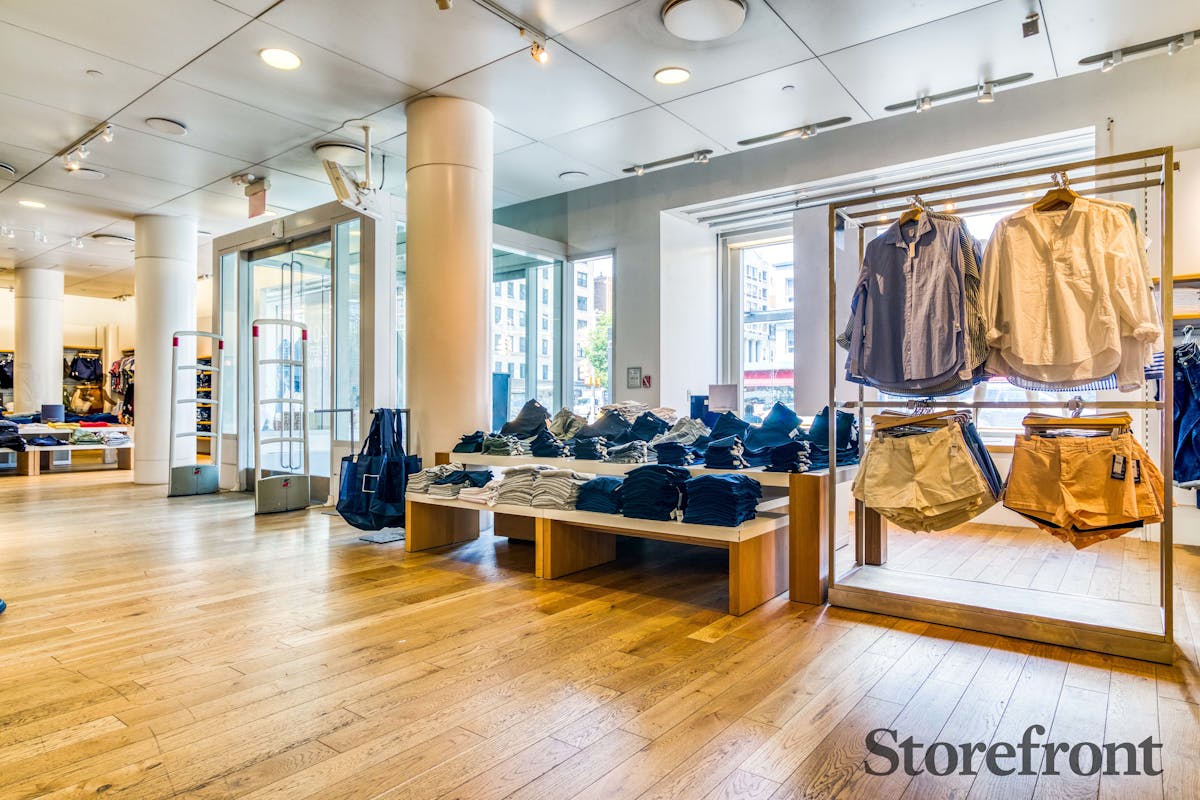
Battersea has changed considerably over the past decade, and its commercial property market now covers two quite different environments. The power station development brought mall-format managed units to the riverside at the north-east of the district, while Northcote Road has continued as a village high street of small ground-floor shops serving a dense residential area. A brand considering commercial property in Battersea is, in practice, choosing between those two settings, and the right answer depends entirely on who the customer is and how the brand wants to trade.
Two Retail Environments, One Postcode
The power station development operates as a managed estate. Taking space there is a leasing conversation with an asset manager, and it comes with scheme standards on fit-out, agreed trading hours and a service charge alongside the rent. That structure suits brands that want footfall from a destination rather than from a passing neighbourhood trade.
Northcote Road is the older retail of Battersea: Victorian ground-floor units, a weekend market along part of its length and a dense run of cafes and independents. Units are small, as is typical of London street retail outside the flagship corridors, and the pavement widths on the market stretch make outdoor trading workable. Battersea Square and Lavender Hill carry further village retail in the same character.
Both settings are in SW11. A search that says only 'Battersea' has not yet said which of these it means, and the two differ in unit type, customer and letting process.
Getting to Battersea
Battersea received its first Underground connection in 2021, when the network was extended to Battersea Power Station and Nine Elms. Before that extension, the area was reachable only by rail and bus, and the improved connectivity is directly linked to the viability of the retail now trading there.
Clapham Junction is also among the busiest stations in London by annual entries and exits, and it provides a useful measure of the through-traffic that ground-floor units in this part of south London can expect. Several other stations serve the broader district, and the area is well connected by bus across the river.
What to Expect from a Battersea Commercial Let
London retail units are small by international standards. Outside the flagship streets and large managed centres, a typical ground-floor shop is a narrow Victorian frontage over one or two floors, often with a basement and limited rear access. Brands used to larger floorplates should expect to work vertically rather than horizontally.
Battersea sits south of the river, opposite Chelsea. South London retail runs primarily on its own high streets and residential catchments rather than feeding into the central shopping districts, so a unit here draws from the neighbourhood around it. That is a different proposition from a West End address, and for brands whose customer is a Londoner rather than a visitor, it is frequently the better trade.
Terms from three months upward are the norm for commercial premises in this market. A longer commitment gives a brand time to build a local following and makes the fit-out investment worthwhile.
When to Take Space in Battersea
Demand for commercial space across London peaks in the run-up to Christmas, around the fashion weeks in February and September, and through the autumn design and art season. The London Design Festival runs in September, and Frieze London follows in October, both of which bring increased activity across the city.
August is the quietest month: a large share of the city leaves, and footfall on neighbourhood high streets drops alongside it. For a brand planning a commitment that starts in the autumn, that quieter August window can be a good time to finalise a unit.
Northcote Road trades hardest at weekends on a family catchment. A brand whose trade is concentrated at weekends will find that rhythm suits the street well.
Keeping Occupancy Costs in Check
Battersea commercial property sits well below the asking rates seen across the central shopping districts, and several practical choices push the cost of occupation down further.
-
Timing. Off-peak months and periods outside the city's main retail moments ask less than peak season.
-
Duration. A longer term typically earns a better rate than a shorter one. Hosts price continuity.
-
Size. A smaller footprint in the right location often beats a larger one in the wrong place.
-
Position. A unit a few doors off the main run asks materially less while keeping much of the passing trade.
-
Floor. Ground floor with a window commands the most. First floor and basement space in the same building asks less.
-
Fit-out. A raw space costs less than a finished one. If the brand is bringing its own build, the raw unit is the better buy.
-
Flexibility on timing. Being open to a start date at short notice, when a landlord has a gap, is the single biggest lever a tenant controls.
For retail property to let across London and retail units to let in London more broadly, the same levers apply.
Frequently Asked Questions
What areas does commercial property to let in Battersea cover?
Battersea commercial premises sit across the SW8 and SW11 postcodes. The main retail settings are the managed units around Battersea Power Station, Northcote Road and the older village retail of Battersea Square and Lavender Hill. A search by postcode and a search by district name will not always return the same addresses, so it is worth checking both.
What lease terms are typical for commercial property in Battersea?
Most commercial property to rent in Battersea is let on terms from three months upward. Longer commitments give a brand time to establish a trading presence and make a fit-out investment worthwhile. Terms, deposit requirements and any service charge obligations are set by each landlord and vary from unit to unit.
How does the Battersea Power Station development differ from street retail nearby?
The power station site operates as a managed retail estate. Letting space there involves scheme rules on fit-out standards, agreed opening hours and a service charge in addition to rent, which is the standard structure for a managed centre. Northcote Road and Battersea Square are conventional street retail, let directly by individual landlords with no estate-wide conditions attached.
Is Battersea well connected for customers and deliveries?
Battersea gained Underground access in 2021 and is served by several rail and bus connections, including Clapham Junction, one of the busiest stations in London. The area is well connected across the city. Delivery and fit-out scheduling is worth planning around the Ultra Low Emission Zone, which covers all London boroughs around the clock.
Where else in London can I find commercial premises to let?
Storefront lists commercial property across London. For other south-west and central options, you can browse commercial property to let in Chelsea, commercial property to let in Notting Hill or the full commercial property to let in London selection.