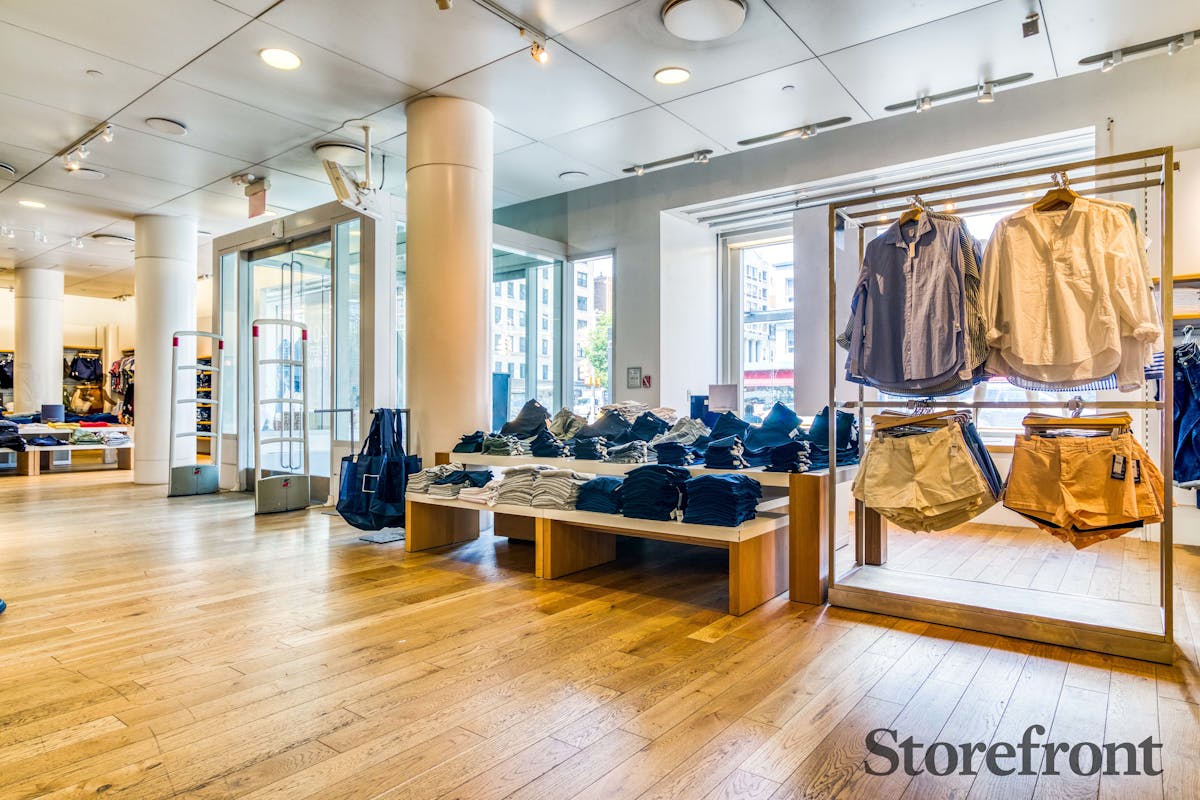
Commercial premises in Marylebone W1 occupy one of central London's most distinctive retail pockets. Marylebone High Street and Marylebone Lane are managed by a single estate, which keeps the tenant mix deliberately independent-leaning, a few minutes from streets where the same brands would face a very different competitive set. The scale is genuinely intimate: narrow red-brick frontages, often over two floors with a basement, suit a considered format far better than anything requiring wide open floorplates. Further east, around Harley Street and Wimpole Street, the character shifts to professional services, bringing a steady weekday footfall of appointment-driven visitors. This is a W1 address that rewards brands building a presence rather than passing through.
The streets and what they offer
Marylebone High Street and Marylebone Lane form the retail spine, with a tenant mix that the managing estate preserves on purpose. Ground-floor units here sit in a commercial context shaped by independents and specialists, not chains. Behind the High Street, Moxon Street and Paddington Street carry a food-trade cluster including a weekly farmers market. Chiltern Street is a short run of red-brick mansion frontages housing independent fashion and instrument shops. Baker Street and Wigmore Street carry larger-format retail and office frontage, in contrast to the village scale a block away. The Portman Village pocket around Seymour Place, let by a separate estate, is a smaller and quieter alternative within the same postcode.
Note that postcode boundaries do not follow district lines exactly, so a unit described as Marylebone may carry the code of an adjoining area. Confirming the address before committing avoids any mismatch between the W1 you expected and what the title deeds say.
Who the area suits
The independent-leaning character of Marylebone High Street makes it a natural fit for brands in food, fashion, wellness and design that want a W1 address without positioning alongside national chains. The village scale means formats need to work vertically rather than horizontally: a narrow frontage over two floors, often with a basement, is the typical geometry. Brands used to American or out-of-town floorplates should plan the format accordingly.
The eastern side of the district, shaped by private medical practice along Harley Street and Wimpole Street, delivers a professional weekday catchment with appointments rather than a retail-shopping one. That audience behaves differently from the High Street visitor a few streets away, and the right format takes that into account. Several stations are within walking distance, making the area well connected across central London.
Timing a Marylebone letting
Demand for commercial premises in central London runs highest in the months around London Fashion Week in September and the autumn design and art festival season, which includes the London Design Festival in September and Frieze London in October. Frieze Sculpture runs through The Regent's Park from 16 September to 1 November, bringing sustained gallery and collector activity to the wider area.
The run-up to Christmas is the other pronounced peak. Boxing Day on 26 December opens the winter sale period and is one of the highest-footfall trading days of the year. Brands that can commit ahead of those windows tend to have more choice. August is the quietest month in central London, when residents leave and office footfall drops, which can make it easier to negotiate terms on a unit that has been sitting.
For brands considering other parts of London, commercial property to let in Mayfair and commercial property to let in Fitzrovia cover neighbouring W1 districts at a similar level of detail.
How to approach the cost
Rates for commercial property to rent in Marylebone vary by street, floor, frontage width and the terms the estate is offering at any given time. The managed-estate structure means lettings on Marylebone High Street and Marylebone Lane go through the estate rather than the open market, so availability and terms are worth establishing directly.
The levers that most affect what a brand pays are consistent across central London:
-
Position on the street. A side street a few doors off the main run asks materially less than the primary frontage while keeping much of the passing trade.
-
Floor. Ground floor with a window commands the most. First floor and basement in the same building asks less.
-
Fit-out. A finished, furnished space costs more than a raw shell. Brands bringing their own build often do better on a raw unit.
-
Duration. A longer commitment tends to produce a better rate per month than a shorter one. Hosts and estates price continuity.
-
Timing. Committing in a quieter window gives more room on terms than committing when demand is running.
For a broader view of the London retail lettings market, retail property to let in London and retail units to let in London carry the wider set.
Marylebone and the rest of central London
Marylebone High Street sits in a named Central Activities Zone retail cluster under the London Plan, which places it in the same planning tier as Covent Garden, Shoreditch and King's Cross. That designation matters: it is the Mayor's statement that this is a significant retail destination within the core, and it shapes what investment and what tenants the area attracts over time.
For brands weighing up areas across central London, the character differences are genuine. The managed independent mix of Marylebone is distinct from the larger-format retail of Oxford Street to the south or the fashion-led character of the streets further west. Brands that want the W1 postcode in a context shaped by independents, professionals and estate management are in the right place. Those exploring other managed districts might look at commercial property to let in Covent Garden or commercial property to let in Soho for comparison.
Frequently Asked Questions
What kinds of commercial premises are available to let in Marylebone?
Ground-floor retail units are the most common format, typically narrow Victorian or Georgian frontages over one or two floors with a basement. Marylebone High Street and Marylebone Lane are estate-managed, so availability there goes through the estate. Baker Street and Wigmore Street carry larger-format units. Chiltern Street and the area around Portman Village offer smaller, more characterful premises.
How does letting on an estate-managed street work?
On streets managed by a single estate, the landlord curates the tenant mix and lets units directly rather than through the open market. That means the best route to a unit on Marylebone High Street or Marylebone Lane is to approach the estate, not to search general property portals. Terms and availability are set by the estate rather than by market-wide conditions.
Is Marylebone well connected by public transport?
Several Underground stations are within walking distance of the district, making Marylebone well connected to the rest of central London. Oxford Circus, one of the busiest stations in London, is a short walk south and gives a useful indication of the volume of through-traffic the area handles.
What lease length should I expect for commercial property to let in Marylebone?
Terms on commercial premises in Marylebone typically start from three months and run upward, depending on the unit and the landlord's requirements. Estate-managed streets may have their own minimum terms. A longer commitment generally gives more room on the monthly rate, and the estate's current programme is always the most reliable source of what is on offer.
When is the best time of year to secure commercial property in Marylebone?
The autumn, running from September through to November, is the busiest period for commercial lettings in central London, coinciding with London Fashion Week, the design festival season and Frieze. The run-up to Christmas also sees strong demand. August, when central London is at its quietest, can offer more choice and more room to negotiate on terms.