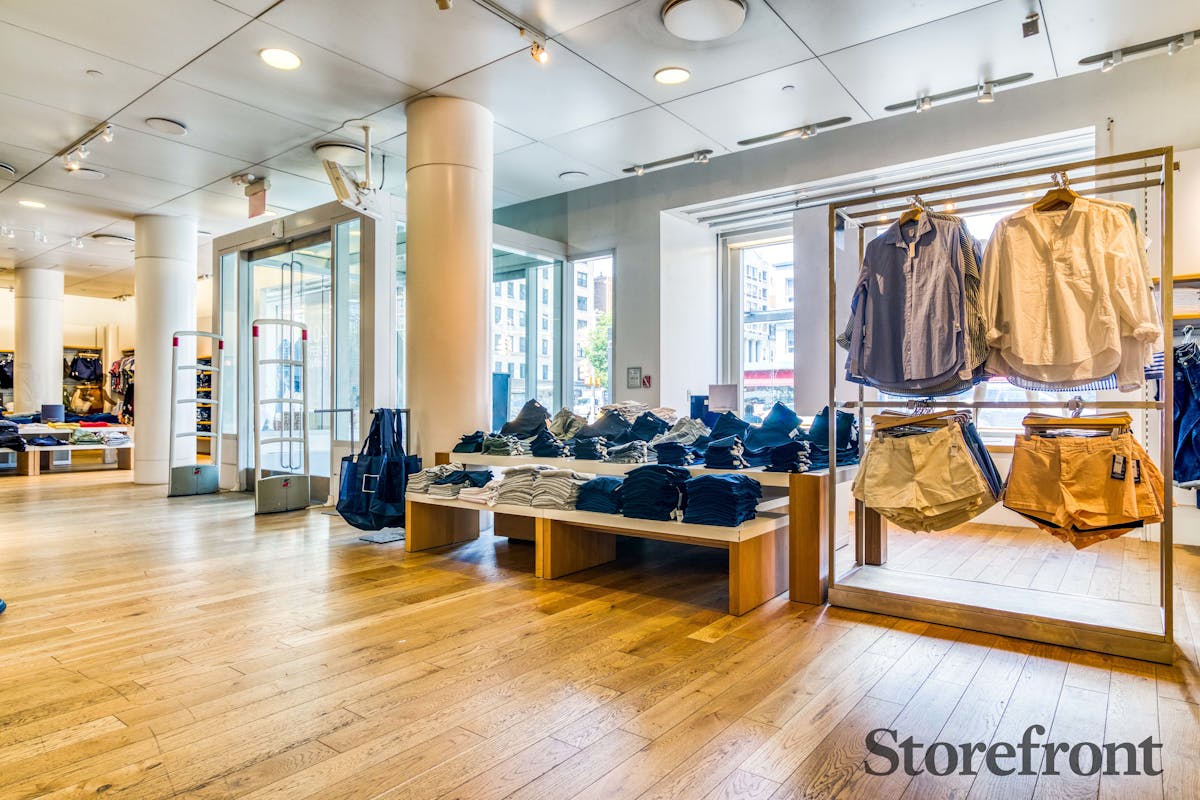
Commercial property in Chelsea sits across two streets that behave quite differently from one another. The King's Road runs west from Sloane Square for well over a mile, a long continuous run of shopfronts drawing from the surrounding neighbourhoods. Sloane Street is shorter, concentrated and occupied by international fashion houses. Duke of York Square, behind the King's Road, offers a managed courtyard of shops alongside a Saturday food market. Between them these streets cover most of what Chelsea offers a retail brand taking a longer commitment.
What Chelsea commercial property looks like
Units in Chelsea are typical of central London's older stock: narrow Victorian and Georgian frontages, usually across one or two floors, often with a basement. Brands accustomed to larger floorplates will need to plan vertically. A large share of the most visible retail in the area sits under single estate ownership, which means the best-positioned units are curated rather than simply listed, and approaching the estate directly can open opportunities that never appear on the open market.
The postcodes covering Chelsea are SW3 and SW10. A unit described as Chelsea may carry the postcode of an adjoining district, so searching by postcode and by district name will not always return the same addresses.
The King's Road and surrounding streets
The King's Road runs the full length of Chelsea westward from Sloane Square. Trade is strongest at the eastern end and thins toward World's End. Duke of York Square sits just off it, a managed open-air retail estate with a mix of shops and a Saturday food market that brings additional footfall through the week.
Sloane Street connects Knightsbridge to Sloane Square and is occupied by international fashion houses. Brompton Cross, where the Fulham Road meets Brompton Road, is a quieter design and interiors cluster with showrooms and upper-end fashion. Pavilion Road, a converted mews behind Sloane Street, is let as a run of small independent food and craft units by a single estate.
For brands looking at comparable London neighbourhoods, commercial property to let in Knightsbridge and commercial property to let in South Kensington cover the nearest districts.
Who arrives and how
Chelsea has no Underground station inside the district. Arrival is on foot from Sloane Square or South Kensington, both on the edges of the area, or by bus along the King's Road. That geography produces footfall that is lower in raw numbers than comparable central streets but more deliberate: almost every customer has made a specific journey. For brands whose customers know them, that is frequently a better trade than a high-volume location with passing tourists.
Pricing for commercial property in Chelsea
Rates are quoted per month on the listings below. Chelsea commands a premium within that range, and rates vary by street, frontage, floor area and lease length.
The rates above are London-wide asking figures rather than a Chelsea quote; final terms are agreed directly with the host.
For a broader view of what is available across London, retail property to let in London and retail units to let in London cover the wider market.
When to take a Chelsea unit
Demand for commercial space in London rises in the run-up to London Fashion Week, expected in September, and through the autumn as the London Design Festival and Frieze London bring buyers, press and collectors across the city. The Christmas trading period is the strongest in the retail calendar, with Boxing Day opening the winter sale season and January remaining an active, if promotional, month.
August is the quietest period, when much of the resident population leaves and footfall on neighbourhood retail streets drops. For a brand opening a longer commitment, the autumn months from September onward represent the strongest start to a trading period.
Brands considering other parts of London can explore commercial property to let in Mayfair or commercial property to let in Marylebone for comparison.
Frequently Asked Questions
What types of commercial property are available to let in Chelsea?
Chelsea's stock runs from narrow ground-floor shopfronts on the King's Road to units within managed estates such as Duke of York Square. Most are across one or two floors, sometimes with a basement. The area also includes design showrooms around Brompton Cross and small independent units on Pavilion Road.
What lease lengths are typical for commercial property in Chelsea?
The spaces listed here are suited to terms from three months upward. Shorter commitments are a different product and are not covered on this page. Specific terms are negotiated directly with each host and vary by property.
How does Chelsea compare to other London retail areas?
Chelsea's retail is concentrated and draws from a wealthy residential catchment rather than from tourist or commuter footfall. It sits alongside Knightsbridge to the north-east and South Kensington to the north, each with a distinct character. The King's Road offers a long, continuous run of frontage; Sloane Street is shorter and occupied by international luxury brands.
Are there other areas in London with similar commercial property?
Several neighbouring and comparable areas have their own listings on Storefront. Knightsbridge and South Kensington are the nearest. Further afield, Mayfair, Marylebone, Soho and Shoreditch each have a distinct character and different lease structures. The London-wide pages cover the full range.
What should I check before committing to a Chelsea unit?
Requirements vary by specific unit and local authority, and are worth confirming before committing. Beyond that, the key questions are frontage, floor area, basement access, estate management if applicable, and whether the street and catchment match the brand's customer. Final terms are agreed directly with the host.