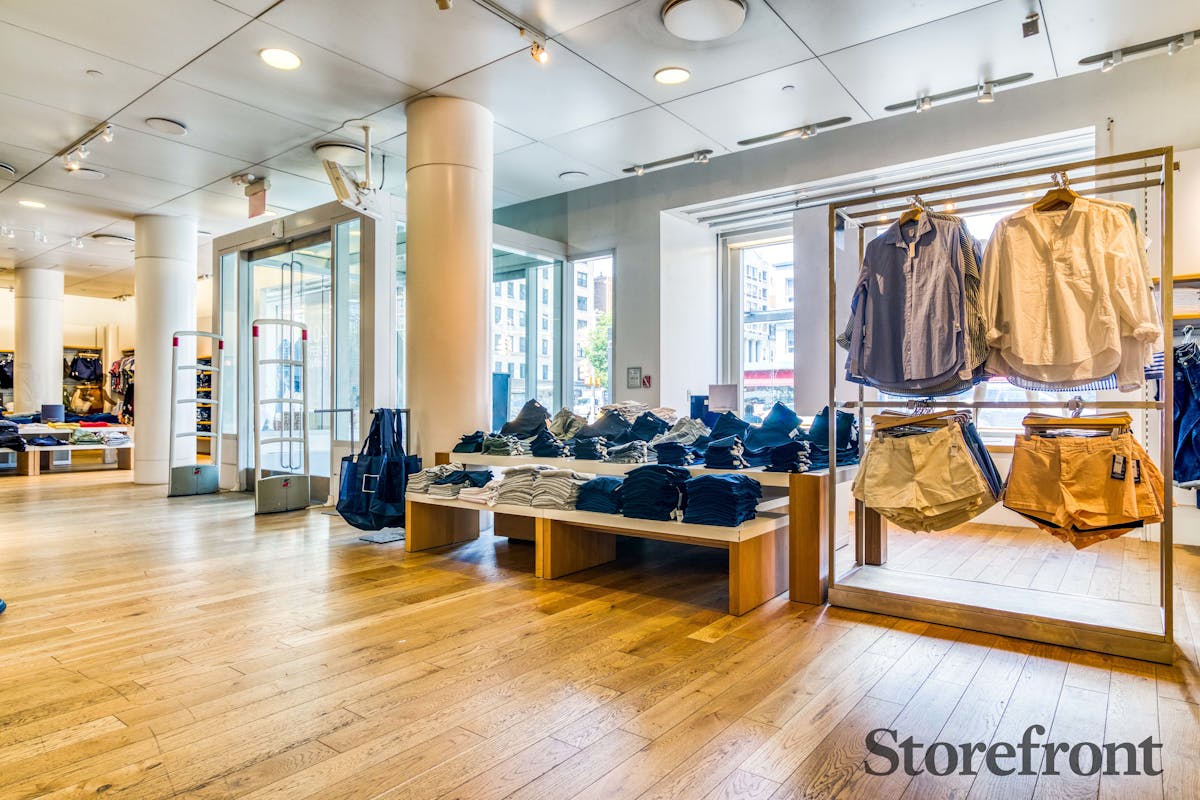
Mayfair's eastern frontages, along Bond Street and toward Regent Street, sit within the West End, which London ranks at the top of its retail hierarchy alongside Knightsbridge. Bond Street, Bruton Street, Albemarle Street, Mount Street and the smaller streets around them form a dense zone of luxury retail and gallery space, with Georgian frontages and a tenant mix that is curated rather than accidental. A brand taking a unit here is taking an address, and that adjacency has a value that extends well beyond the trading hours.
The streets and what they offer
Bond Street divides into two: New Bond Street toward Oxford Street and Old Bond Street toward Piccadilly. The southern end carries a dense run of fine jewellers and the highest rents. Conduit Street runs east from New Bond Street toward Regent Street, and Bruton Street west toward Berkeley Square, both with somewhat smaller frontages and a mix of fashion, jewellery and galleries. Mount Street, South Molton Street and Davies Street sit behind the flagship run and suit brands that want Mayfair adjacency on a more contained footprint.
Cork Street and Burlington Gardens, immediately behind Bond Street, hold the densest run of commercial art galleries in London, and short-term gallery lets there are a long-established part of the market. Burlington Arcade off Piccadilly offers very small units inside one of London's oldest and best-known covered shopping arcades, with its own rules of conduct. Albemarle Street and Dover Street run parallel between Piccadilly and Bond Street, holding galleries, jewellers and restaurants on frontages smaller than Bond Street itself.
For context on retail property across the wider London market, see retail property to let in London and retail units to let in London.
Who takes space here, and why
The dominant logic in Mayfair is prestige adjacency. Established fashion houses, fine jewellers and art dealers hold flagships on Bond Street because the address reinforces the brand, and that reasoning applies at smaller scales too. A brand that wants to be seen alongside those names, to host collectors and buyers in a context that matches the product, or to take space during London Fashion Week or the Frieze art week in autumn, will find that Mayfair is the natural location.
Demand concentrates around the fashion weeks in February and September, the London Design Festival each September, and the Frieze fairs each October, when international collectors, galleries and press arrive and the satellite programme around the fairs fills gallery and retail space across the district. The Christmas trading run, from the Black Friday period through to the week before the holiday, is the other consistent peak. For brands planning around the calendar, booking well ahead of those windows is standard practice.
How to approach the rate
Commercial property to let in Mayfair sits above the rates seen across most of the rest of the city, which reflects the address. A few levers are available to every occupier.
-
Timing. Off-peak months ask less than the weeks around Fashion Week, Frieze and Christmas. A commitment that starts outside those windows often negotiates better.
-
Street position. A unit on a side street a few doors off the main run asks materially less than Bond Street itself, while keeping much of the passing trade.
-
Floor. Ground-floor units with window display command the most. Space on the first floor or in a basement within the same building asks less.
-
Fit-out state. A finished, furnished unit carries a premium. A brand bringing its own build is often better served by a raw shell at a lower rate.
-
Duration. A longer commitment typically earns a better rate per month than the minimum term does. Hosts price continuity.
Practical considerations before committing
London retail units are small by international standards. Outside the flagship streets, a typical Mayfair frontage is a narrow Georgian unit over one or two floors, often with a basement and limited rear access. Brands accustomed to larger floorplates should expect to work vertically.
Much of Mayfair sits within conservation areas, and many individual buildings are listed. That affects signage, shopfront alterations and even paint colour. For a unit in a listed building or a conservation area, working with the existing frontage is usually the practical approach rather than rebranding it.
The area is well served by several stations, and a newer station entrance on Hanover Square changed footfall patterns across the eastern end of the district. Central London's Congestion Charge zone and the Ultra Low Emission Zone both apply, which is relevant for fit-out deliveries and vehicle scheduling.
For any specific requirements around use or consent, they depend on the individual unit and the local authority and are worth confirming before committing.
Other London districts to consider
Mayfair is one address within a much larger London retail market. Brands weighing their options can compare commercial property to let in Knightsbridge, the other top-tier retail destination, or commercial property to let in Marylebone for a neighbourhood retail pitch with a resident catchment. Commercial property to let in Fitzrovia sits immediately north and suits creative and design-led brands. The commercial property to let across London page covers the full market.
Frequently Asked Questions
What types of commercial property are available to let in Mayfair?
The stock ranges from narrow Georgian ground-floor units on the smaller streets through to larger flagship frontages on Bond Street and Regent Street. Gallery spaces on Cork Street and Burlington Gardens, arcade units in Burlington Arcade, and upper-floor space with retail or showroom use are also available depending on timing.
What term lengths are typical for commercial property in Mayfair?
Most lettings in the area run from three months upward. Shorter commitments are available on some units, particularly in gallery and arcade formats, but the standard market expectation for a trading unit is a term of several months at minimum.
When is the busiest period for taking commercial space in Mayfair?
Demand peaks around London Fashion Week, which runs twice a year in February and September, and around the Frieze art fairs each October. The Christmas trading run from November onward is the other consistent high point. Brands planning around any of these windows should allow extra lead time, as stock in those periods is taken well ahead.
How does Mayfair compare with other central London retail addresses?
Bond Street sits within the West End, which London's planning hierarchy places at the top of the retail tier alongside Knightsbridge, both described as internationally renowned destinations. Mayfair's identity centres on fashion, jewellery and art, while Knightsbridge is anchored by its department stores. Both carry rates above the rest of the West End.
Are there smaller-scale options within Mayfair for brands with a tighter footprint?
Yes. Mount Street, South Molton Street, Davies Street, Albemarle Street and Shepherd Market all offer smaller frontages than Bond Street at rates that reflect the scale. Gallery space on Cork Street and Burlington Gardens is also a route for brands whose format suits a gallery rather than a traditional shopfront.