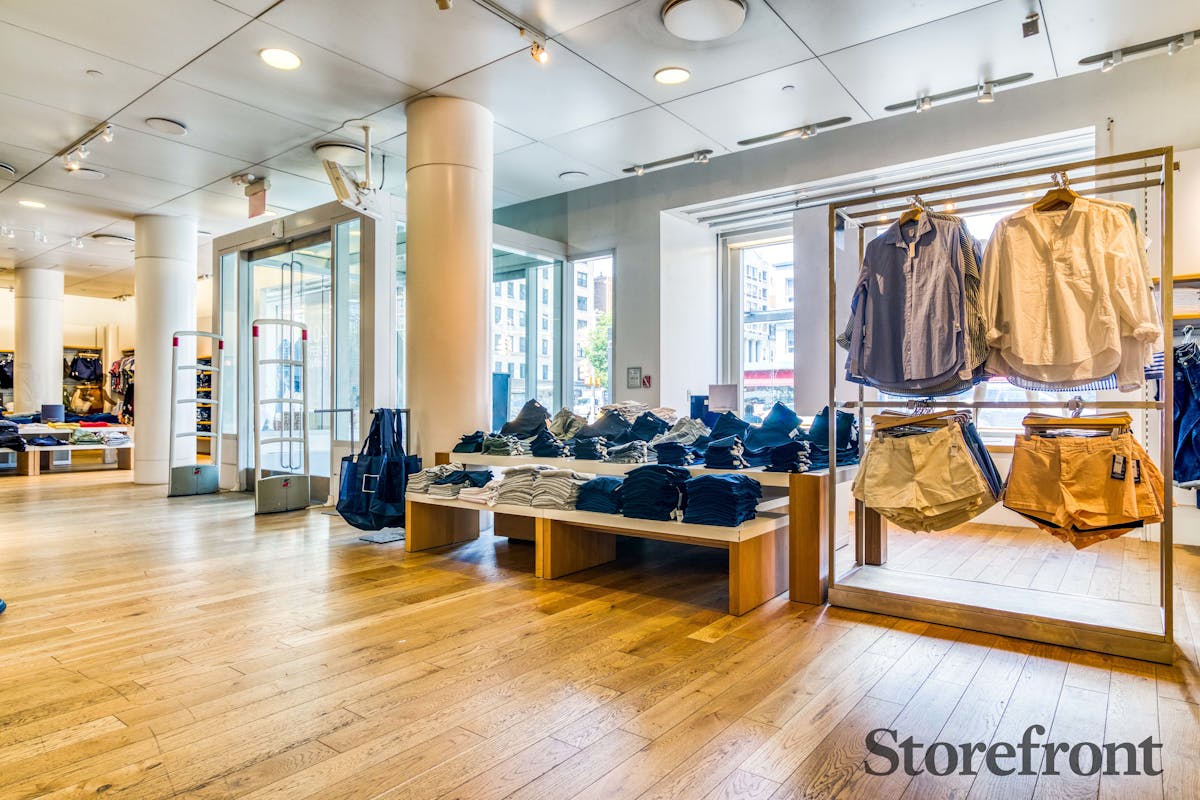
Taking commercial property in Covent Garden means joining a district where the tenant mix is actively curated rather than left to the open market. Much of the area sits under single estate ownership, so lettings tend to be considered decisions by both sides. The result is a trading environment with genuine continuity: the brands around you are placed there deliberately, the footfall is dense and consistent, and the address carries weight with visitors who arrive specifically to shop, eat and explore.
The districts within Covent Garden
The area divides into distinct pockets, each with its own character and unit type.
The Covent Garden Piazza and the Apple Market inside the old covered building are the most prominent addresses, with units alongside permanent stalls and a programme of lettings managed by the estate.
Seven Dials is a managed quarter of six streets radiating from the sundial pillar with smaller units and a deliberately independent tenant mix, the kind of address a brand takes when it wants to be discovered rather than obvious.
Drury Lane and Endell Street run north toward Holborn, with units that tend to be smaller and on different terms from the piazza. The mix there includes independent retail and businesses serving the theatre trade.
The Strand and Aldwych form the southern edge of the district: a wide institutional frontage of theatres, hotels and offices rather than a continuous retail run. Space here trades on a different footing from the managed estate to the north.
What the area suits
Covent Garden draws visitors from across London, from the rest of the country and from abroad. The footfall is not purely residential, which shapes the kind of brand that does well here: labels with broad appeal, products that translate across audiences, and retail formats that benefit from high visibility and passing trade.
The theatre district that covers this part of the West End concentrates footfall before and after performance times, which sits alongside rather than replacing the daytime shopping rhythm. A unit here trades across both, so the trading day tends to run longer than in a neighbourhood high street setting.
For brands comparing central London addresses, retail units to let in London and retail property to let in London offer a broader view across other districts.
Unit sizes and what to expect
London commercial units are narrow by international standards. Outside the flagship streets, a typical ground-floor shop in this part of the city is a Victorian or Georgian frontage over one or two floors, often with a basement. Brands accustomed to wide American floorplates should plan to work vertically rather than horizontally.
Ground-floor space with a window commands the strongest trading position. First-floor and basement space in the same building asks less and can work well for brands whose customers are happy to seek them out.
Buildings across much of central London sit inside conservation areas, and some are listed. That affects what can be done to a shopfront, so external signage and branding decisions are worth checking against the building's status before committing to a design.
Timing and the retail calendar
Demand for commercial premises in this part of London is consistent across most of the year, with peaks tied to the major retail and cultural moments.
The Christmas trading period runs from the West End lights switch-on in November through to Christmas Eve, and Covent Garden runs its own installation alongside the broader West End programme. That stretch is the densest retail period of the year and the most competitive for space.
The London Design Festival, expected each September, brings showroom and studio activity across the city. London Fashion Week, also expected in September, draws international buyers and press and increases demand for retail and showroom-format premises across the West End.
Frieze London, held in October, brings gallery and collector activity to the wider city, which often benefits retail addresses with a design or cultural angle.
August is the quietest month: office footfall drops and a large share of the city's working population leaves, though visitor numbers in the West End remain high.
Comparing Covent Garden with other London districts
Brands weighing up central London addresses often look at several districts before committing. The managed-estate model at Covent Garden and Seven Dials is shared by a small number of other central addresses; most of London's retail runs on individual freehold and leasehold units on open-market terms.
For other curated and established retail districts, commercial property to let in Mayfair, commercial property to let in Marylebone and commercial property to let in Soho each offer a different proposition at different rate levels.
For brands open to east London, commercial property to let in Shoreditch and commercial property to let in Hackney cover the independent and emerging label end of the market.
The broader commercial property to let in London selection spans all districts if you are still weighing up areas.
Frequently Asked Questions
What types of commercial premises are available to let in Covent Garden?
The district offers ground-floor shop units, covered market units inside the old market building, and smaller units across Seven Dials and the streets running toward Holborn. Most are Victorian or Georgian frontages over one or two floors, sometimes with a basement. The managed estate also runs its own lettings programme for space around the piazza.
How long are typical lettings for commercial property in Covent Garden?
The listings on this page are suited to brands taking a commitment of several months or longer, rather than a single day or weekend. Specific terms depend on the unit and the landlord, and are agreed directly with the host.
Does the Covent Garden estate control all lettings in the area?
Much of the core district sits under single estate ownership, which means the tenant mix is curated and lettings go through the estate rather than the open market. Streets further from the piazza, Drury Lane, Endell Street, the Strand, operate on more conventional open-market terms with a wider range of landlords.
What is the best time of year to take commercial space in Covent Garden?
The Christmas trading period from November onward is the strongest retail window of the year and the most in-demand. September brings the London Design Festival and London Fashion Week, which increases activity across the West End. August is the quietest month for office footfall, though visitor numbers in the area remain high.
How does Covent Garden compare with other central London retail addresses?
Covent Garden is one of a small number of centrally managed retail estates in London, alongside Carnaby, Marylebone High Street and Coal Drops Yard. The managed model means a curated tenant mix and consistent investment in the public realm. Brands wanting a more conventional open-market letting will find a different range of options in Soho, Mayfair or along the Strand.