Why Amsterdam for a Fashion Pop-Up
Amsterdam is a genuinely accessible fashion market for international brands. English works without qualification in every retail setting, the city is compact enough that a single activation reaches a national audience, and Rotterdam, The Hague and Utrecht are all inside an hour by train. A pop-up fashion store here is a Dutch market test, not just an Amsterdam one.
The city splits into two distinct retail economies. The Centrum's main streets trade to a visiting, high-footfall customer. The neighbourhood streets just outside the canal ring trade to residents who come back weekly and where independent fashion sits most naturally. Choosing between reach and credibility is the first real decision.
Where to Open a Fashion Pop-Up in Amsterdam
Amsterdam's fashion retail spreads across several distinct districts, each with its own customer and price point.
-
The Jordaan sits west of the Prinsengracht in a tight grid of small streets. Units are narrow and characterful, and the area draws a local, design-conscious crowd. Expect small ground floors of thirty to eighty square metres, which suits an edited fashion pop-up better than a full-range rollout.
-
The canal ring offers some of the most photographed retail positions in the city. The Utrechtsestraat runs south from the Rembrandtplein across all three main canals with independent food, design and fashion. Chain penetration is low.
-
De Pijp centres on the Albert Cuypstraat and the streets around it, with a younger, more price-sensitive audience. The Albert Cuypstraat market shapes the trading day: stalls run until about five, and the street transforms after they clear.
-
The Haarlemmerbuurt runs about a kilometre west from the Singel to the Haarlemmerplein with over 200 sales points along one street under two names. It sits between Amsterdam Centraal and the Jordaan and carries consistent foot traffic.
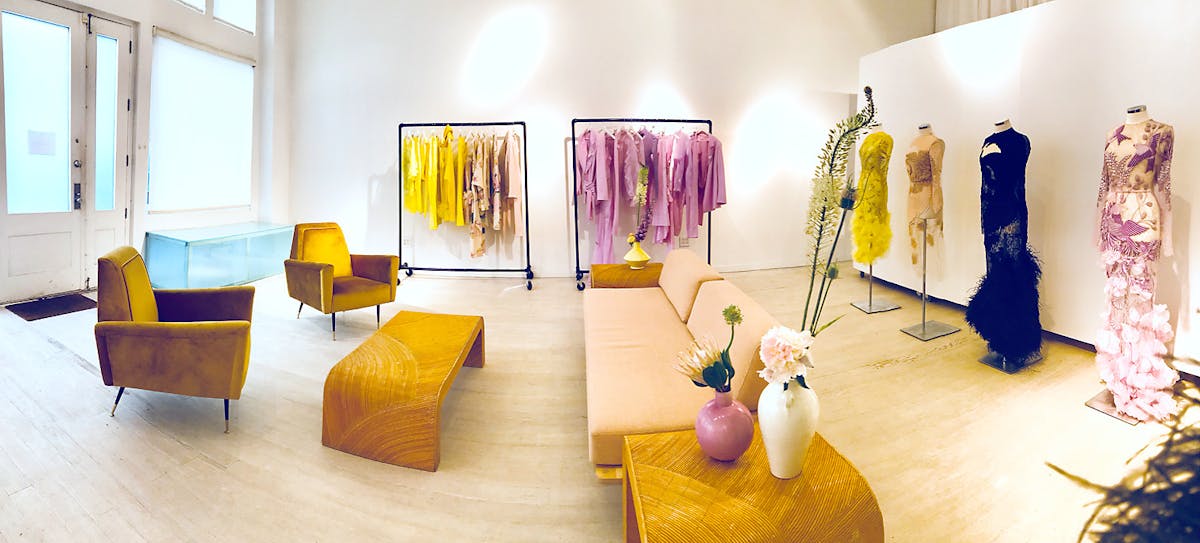
Amsterdam units are small by European standards because the historic city was built on plots taxed by frontage. A flat, column-free hundred square metres with a wide shop window is genuinely scarce. Brands arriving with a standard store kit usually need to rescale it here.
The Fashion Calendar
Amsterdam's fashion calendar is spread across independent showroom days and brand presentations rather than one central event. That spreads demand for pop-up fashion store space across the year rather than concentrating it into one week.
The biggest single commercial week outside high summer is the electronic-music week in the second half of October, when large numbers of visitors arrive. It draws a brand-literate, high-spending audience that is looking for things to do in the daytime, and fashion pop-ups and showrooms cluster around it.
The Dutch gifting calendar peaks on 5 December for Sinterklaas rather than Christmas. The buying window opens with the televised arrival of Sinterklaas in mid-November and runs about three weeks, driven by small, wrappable, personal gifts. A fashion pop-up timed to that window catches Dutch shoppers in buying mode at a moment most international brands miss entirely.
What Shapes a Fashion Pop-Up Here
Most Amsterdammers arrive at a shop by bicycle, and that quietly shapes what sells. A customer on a bike buys what fits in a pannier or a handlebar bag: apparel, accessories, beauty, small goods. Dwell time is shorter and visits are more frequent than in a car city, which rewards a tight, well-edited assortment over a deep one.
The Netherlands is close to cashless. Dutch customers expect to tap with a debit card, many shops take no cash at all, and iDEAL is the default for anything paid online. A pop-up fashion store needs a terminal that takes Debit Mastercard and Visa Debit and Mastercard debit as its baseline.
Dutch e-commerce penetration is high, so a physical pop-up here is more often a showroom, a collection point and a content set than a pure till. The customer is comfortable buying in the room and having it delivered, and a brand that plans around that will outperform one that fights it.
Sustainability claims face a literate audience. The Dutch fashion industry makes measured sustainability a condition of entry, secondhand is mainstream across every income level, and vague claims are a liability. A specific, verifiable position is a genuine differentiator for a fashion pop-up in this market.
How to Spend Less on a Pop-Up Fashion Store Rental in Amsterdam
Rates for a temporary fashion space vary by location, size and timing. The real levers a brand controls:
-
Timing. Off-peak months and midweek dates ask less than the autumn peak or the Sinterklaas window. Flexibility on dates is the single biggest lever.
-
Duration. A longer booking usually earns a better daily rate. Hosts price continuity.
-
Position. A side street a few doors off the main run asks materially less while keeping much of the passing trade.
-
Fit-out. A finished, furnished space costs more per day than a raw one. If the brand is bringing its own build, the raw space is the cheaper buy.
Explore pop-up store rental options across the platform, or browse retail space in Amsterdam to compare availability by neighbourhood. The Red Light District carries a different crowd and price point from the canal ring and is worth checking if the brand identity suits it.
For creative inspiration, read how Amnesty International used a pop-up store in Amsterdam to launch the "World Peace" campaign or how brands use pop-up spaces during Amsterdam Dance Event.
FAQ
How far ahead should I book a pop-up fashion store in Amsterdam?
For the autumn fashion and music events, space commits months ahead. Outside those peaks, a few weeks of lead time is realistic for most neighbourhoods. Flexibility on dates and location widens the options.
Can I run a fashion pop-up in Amsterdam in English only?
English works in Amsterdam retail without qualification. Staff switch languages without being asked and an English-language brand identity reads as normal. The one caution is inside the Centrum, where English-only signage and pricing are among the evidence the city uses to judge whether a shop is aimed at day-trippers. Bilingual is safer than English-only inside the ring.
What size are typical Amsterdam pop-up fashion spaces?
Ground floors of thirty to eighty square metres are normal in the Centrum and the canal ring, because the historic city was built on narrow, deep plots. A flat hundred square metres with a wide window is genuinely scarce. Brands with a standard European store kit usually rescale for Amsterdam.
Are Amsterdam shops open on Sundays?
Amsterdam permits shops to open every Sunday and every public holiday. In practice most Centrum shops trade roughly noon to six on a Sunday. Many independent shops do not open on Monday morning, and some not on Monday at all, which is a Dutch trade convention worth deciding about deliberately for a short pop-up.
What is the best season for a fashion pop-up in Amsterdam?
The strongest windows are the shoulders. April to June brings good weather and a resident population still in town. September to early December brings the October music week and the Sinterklaas gifting run. July and August are busy with visitors but thin with locals.