Why rent a pop-up fashion store in New York
New York draws more fashion buyers, press and retail traffic than any other American city. The market splits clearly: global flagships anchor Fifth Avenue and Madison Avenue; emerging and independent labels cluster in SoHo, Nolita and the Lower East Side; and wholesale showrooms fill the Garment District during market weeks. A temporary space here connects you to all three audiences at once, retail customers on the street, wholesale buyers in the building, and media attention that travels internationally.
The neighborhoods matter. SoHo is the highest-demand short-term retail district in New York, with cast-iron loft buildings that carry wide ground-floor frontage and high ceilings. Brands take space there for visibility and the foot traffic that comes with it. Nolita, immediately to the west, is smaller-unit, boutique-scale retail, the natural fit for an emerging label testing New York at street level. The Lower East Side holds the highest concentration of small independent storefronts in downtown Manhattan, with a dense bar and music scene that lifts evening and weekend footfall. Tribeca is residential and more deliberate, better suited to showrooms and private events than walk-in trade.
Seasonal peaks and booking windows
Demand for short-term fashion retail in New York peaks around New York Fashion Week in February and September, through the run-up to the December holidays, and again in the spring sample-sale season. Late summer is the quietest stretch, much of the industry leaves the city in August. If you are launching a new collection, testing a market, or running a seasonal capsule, those windows carry the most foot traffic and the most competition for space.
Sample sales are a New York institution and one of the largest uses of short-term retail space in the city. Brands take raw or temporary space for a few days to sell through stock, most often in SoHo, Chelsea and the Garment District. If you are planning a clearance event or an inventory release, the sample-sale calendar is the timing to align with.
New York places no restriction on Sunday retail trading, and weekend footfall in downtown shopping districts is typically higher than midweek. A temporary space here can plan on a seven-day week, which is not true everywhere.
What to expect
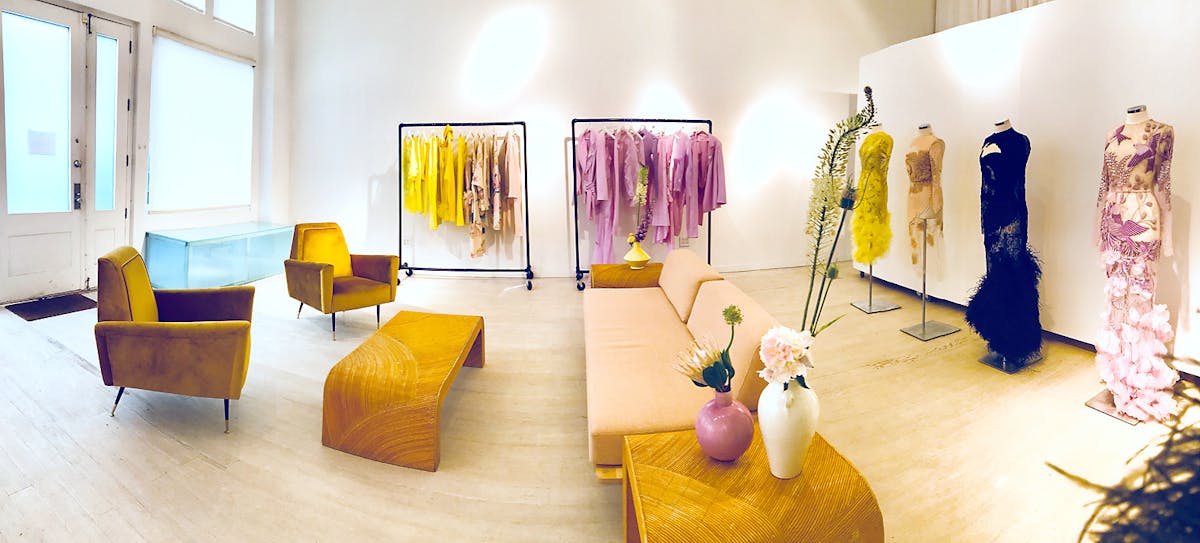
Lofts and former warehouse buildings dominate the short-term rental market in New York. They carry tall ceilings, large column-spaced floors and freight access, the reason they suit pop-ups, showrooms and sample sales that a conventional shop unit could not hold. Ground-floor retail in the same buildings comes with street-level frontage and the foot traffic that comes with it.
A corner unit carries two frontages and the footfall of both streets, and rents accordingly. An in-line unit mid-block on the same street is a different proposition. Two addresses one block apart can be completely different retail experiences, so location specificity matters more than the neighborhood name alone.
Historic district zoning affects many Manhattan storefronts. If you are planning external branding or signage, check the listing details or ask the host whether the space sits inside a designated historic district, exterior changes may need approval that adds time to your fit-out. What each floor may legally be used for, and how many people it may hold, is set by the building rather than by your event, so ask the host early on any space you are serious about.
How to book
Browse available spaces below by date and neighborhood. Reserve a space that fits your dates and use case, then talk directly with the host to confirm details, rates, move-in timing, what utilities and services are included, and any house rules. Once you agree, the booking confirms on the platform. Most hosts respond quickly, so you can move from browse to occupancy in days rather than weeks.
FAQ
Which neighborhoods are best for a fashion pop-up in New York?
It depends on your audience. SoHo carries the highest foot traffic and hosts flagship and established-brand activations. Nolita and the Lower East Side suit emerging labels and independent designers. Chelsea and the Garment District are showroom and market-week destinations. Tribeca works for private events and showrooms aimed at wholesale buyers rather than street traffic.
How long can I book a pop-up fashion store for?
Bookings range from one day to several months. Many brands take space for a few days around sample sales or market weeks, others for a full season. The listing shows available dates; you and the host agree the length that fits your plan.
Can I cancel my booking?
Cancellation terms are set out in the booking terms and conditions and in the individual listing. Talk directly with the host about flexibility, many are willing to work with you on timing, especially if you book further in advance.
Do I need permits or licenses to operate a pop-up fashion store?
Requirements depend on what you plan to do and the space's location. Selling goods requires a certificate to operate; serving food or alcohol brings separate approvals; and exterior signage may need review if the building is in a historic district. It is worth confirming the specific rules with the host and the local authority before you commit.
What utilities and services come with the space?
It varies by listing. Some spaces come with utilities included, others are bare shell. Ask the host what is covered, electricity, water, WiFi, climate control, loading dock access, and how many people the space legally holds are all things to confirm before you book.
Are there spaces available for pop-up retail stores beyond fashion?
Yes. Storefront covers all retail and event space types across New York. Browse by use case, showrooms, galleries, events, or by neighborhood to find what fits your needs.