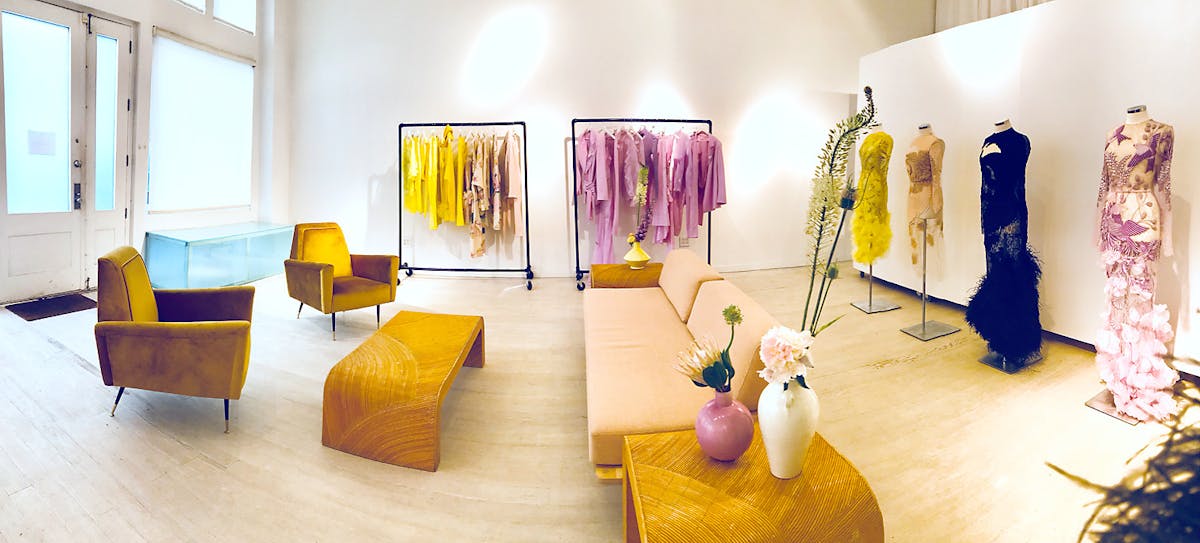
Why Toronto Works for a Pop-Up Fashion Store
Toronto is Canada's largest city and its commercial capital, with a consumer market unlike anywhere else in the country. Roughly half the city's residents were born outside Canada, so there is no default customer and no single mainstream taste. A pop-up fashion store here tests a brand against a genuinely diverse audience with real spending power, backed by a large advertising, media and design sector concentrated in the west end and the core.
The city is organized around long commercial main streets that follow the old streetcar routes. Choosing a Toronto location means choosing a street and then a stretch of it, because the character changes completely within a few blocks. That structure suits temporary fashion retail well: a brand can place itself precisely where its audience already walks.
Several central main streets carry visible retail vacancy, and that is leverage. Available space and motivated landlords mean a pop-up fashion store rental in Toronto can be negotiated on terms that would be harder in a tighter market.
Seasonal Peaks That Drive Fashion Pop-Up Demand
The Toronto year splits in two. From roughly May to October the city lives outdoors, patios take over sidewalks and curb lanes, street festivals run most weekends and footfall on the main streets transforms. A fashion brand booking in this half gets sidewalk traffic, natural light and a city that wants to be outside.
Winter runs roughly December to March and moves trade indoors. The retail year peaks at Christmas, with Black Friday now firmly established and Boxing Day still a major trading day. A holiday pop-up fashion store timed to that window catches the city's heaviest spending weeks.
Beyond the calendar anchors, Toronto hosts events that concentrate the right audience for fashion:
-
Toronto International Film Festival in September fills King Street West with international press, talent and brand activations, making it the city's biggest commercial week
-
Pride Toronto in June is among the largest Pride festivals anywhere and draws a citywide audience
-
Nuit Blanche in autumn is an all-night art event across the downtown core, well suited to a cultural activation
-
DesignTO in January is one of very few reasons to program anything in a Toronto January, and it works precisely because nothing else is happening
How to Pay Less for a Pop-Up Fashion Store in Toronto
Rates vary by location, size and timing, and the real levers are practical rather than mysterious. Off-peak months and midweek dates ask less than peak season and weekends. A longer booking usually earns a better rate per day than a single day. A side street a few doors off the main run asks materially less than the main run itself while keeping much of the passing trade. A raw space costs less than a finished one, and if the brand is bringing its own build, a raw unit is the better buy. Flexibility on dates, or the ability to take a space at short notice when a host has a gap, is the single biggest lever a renter controls.
Toronto is the most expensive retail market in Canada. A brand testing a format cheap should know that Montreal is materially less expensive for both rent and labour. But a brand testing whether Canada will pay should test it here, where the spending power sits.
Getting Around and Getting Stock In
The transit system combines subway lines with an extensive streetcar network running along exactly the retail strips a fashion brand wants. Streetcars stop at the curb rather than at a station, putting customers directly on the doorstep.
Traffic and parking downtown are genuinely difficult, with congestion widely described as among the worst in North America. Deliveries and stock drops need scheduling, and a car is rarely the right way to reach a main-street unit. The central districts are dense and walkable on a fine grid, which is a summer statement: in February the same streets are ice and wind.
For visiting teams, a rail link connects the main airport to Union Station in about twenty-five minutes, and a second island airport sits at the foot of downtown for short-haul flights.
Before You Open: What to Confirm
General retail frequently does not need a municipal operating licence, which makes Toronto lighter than it first appears. Zoning is the check that actually binds, and whether a given use is permitted at a given address is answered by the city building department, not by what the neighbours are doing.
Ontario charges a single harmonized sales tax of thirteen percent, added at the till rather than shown on the shelf. A brand pricing from a non-Canadian list should set Toronto prices deliberately rather than converting.
Accessibility is a legal obligation in Ontario and applies to businesses of every size. Step-free entry, a clear route through the floor and staff briefed before opening are the baseline, and a heritage storefront with a single step at the door is the recurring problem.
If the activation involves alcohol, the first question to ask a Toronto space is whether it already holds a liquor licence with a catering endorsement, because that decides whether a separate permit is needed.
Browse pop-up store rentals across all cities, or narrow to retail space in Toronto for the full local inventory. For a compact footprint, see small stores and boutique spaces for rent in Toronto. Planning to measure results after the activation, read our guide to measuring pop-up shop success.
FAQ
How long can I rent a pop-up fashion store in Toronto?
Bookings range from a single day to several months. A longer booking usually earns a better daily rate. Hosts set their own minimum and maximum durations, so check the listing for what is available.
What should I confirm before signing a temporary fashion retail space?
Zoning at the specific address, any municipal licence requirements for your activity, accessibility compliance and signage rules are the main items. Deposits, insurance and cleaning terms are agreed directly with the space owner and vary by listing.
When is the best time to open a fashion pop-up in Toronto?
The outdoor season from May to October delivers the strongest street footfall. September during the film festival is the city's biggest commercial week. The Christmas and Boxing Day window is the retail peak. January is quiet but DesignTO gives a reason to activate.
Is Toronto or Montreal better for testing a fashion concept in Canada?
Toronto is more expensive but has the deeper consumer market, the larger professional creative audience and the higher spending power. Montreal is materially cheaper for rent and labour. A brand testing format should consider Montreal; a brand testing price point and demand should start in Toronto.
Can I sell alcohol at a fashion launch event in Toronto?
It depends on the venue. A space that already holds a liquor licence with a catering endorsement can cover the event directly. If the space is unlicensed, a separate permit is needed. Clarify this with the host before booking.