Why Chicago for a Fashion Pop-Up
Chicago has more available retail space at lower rents than any other US city of its size, and for a fashion brand that changes everything. The same budget that buys a weekend closet in New York gets a full storefront with high ceilings, wide frontage and rear service access here. The city has long been used as a US test market because it is large, demographically broad and geographically central, so a Chicago pop-up fashion store rental doubles as a national read on demand at a fraction of coastal cost.
The commercial stock is unusually varied: nineteenth-century masonry storefronts on the corridors, converted industrial loft buildings in the West and Near North, and modern podium retail downtown. For a fashion brand that needs fitting rooms, mirrors and good light, that variety means the right shell already exists. Browse pop-up store rentals across the platform to see the range.
Where to Open a Fashion Pop-Up in Chicago
Chicago's commercial life runs on long arterial streets rather than a single core, and the right corridor depends on the brand and the customer.
-
River North sits immediately north of the Chicago River, a five-minute walk from both the Loop and the Magnificent Mile. It is the densest concentration of restaurants, hotels and design showrooms in the city, with a visitor and conventioneer audience that arrives in volume every week. Explore retail space in River North for current availability.
-
Armitage Avenue between Halsted and Racine in Lincoln Park is one of the prettiest retail runs in Chicago: restored Victorian storefronts carrying apparel, beauty, jewelry and homeware. It has a long history of seasonal and temporary brand occupation, so landlords and the local customer both understand the format. A premium fashion brand testing Chicago finds the shortest conversation and the least explanation here.
-
The West Loop and Fulton Market carry an affluent, dense residential catchment that is underserved in apparel, home and beauty. Fulton Market is luxury-facing along Fulton and Lake; the West Loop proper runs south around Randolph, Madison and Monroe with more office and residential foot traffic. For a fashion label the gap between the dining scene and the retail offer is the opening.
-
Milwaukee Avenue through Logan Square is one of the strongest independent corridors in the United States, running diagonally against the grid with a near-continuous stretch of vintage shops, record stores, bookshops and independent retail. A streetwear or emerging-designer pop-up fashion store sits naturally here, and the Sunday farmers market on Logan Boulevard draws foot traffic well beyond the neighborhood.
For a broader view of retail space in Chicago, start with the city-wide search.
Who Books a Fashion Pop-Up in Chicago
Fashion pop-ups in Chicago split into a few distinct profiles, and the space that works for each is different.
-
DTC and e-commerce brands use a temporary storefront to let customers see and try product in person before a wider wholesale push. A cheap storefront on a neighborhood corridor often outperforms a premium downtown address for this, because the goal is conversion data rather than visibility.
-
Designers testing the Midwest market treat a Chicago pop-up as a lower-cost alternative to a New York or Los Angeles activation, with a customer base broad enough to read national appetite. Distribution reaches most of the country from here in two days by road.
-
Established labels running seasonal activations time a pop-up to the holiday season, the spring launch window or the back-to-school run in August. The downtown holiday season pulls visitor traffic that nothing else in the Chicago calendar matches.
Looking for a cheap retail space in Chicago? Side streets a few doors off the main corridor ask materially less while keeping much of the passing trade.
Timing a Fashion Pop-Up in Chicago
Chicago's climate reshapes the retail year more than in any coastal city. Summer moves the city outdoors with street festivals on most corridors and long trading evenings. The holiday season is the downtown peak, with street lighting and market events drawing crowds to the Magnificent Mile. The shoulders, spring into early summer and late September into November, are the most reliable trading windows: good weather, strong foot traffic and lower competition for space.
January and February are the weakest retail weeks by a wide margin: deeply cold, dark early and post-holiday. A fashion pop-up planned for winter needs an interior proposition and a reason to walk through the door.
For a deeper look at launching a temporary retail space in the city, read Pop-Up Shops in Chicago: The Complete Guide to Opening a Temporary Retail Space.
How to Pay Less for a Fashion Pop-Up
Rates vary by location, size and timing, and the levers a fashion brand controls are real.
-
Timing. Off-peak months and midweek dates ask less than peak season and weekends.
-
Duration. A longer booking usually earns a better daily rate. Hosts price continuity.
-
Position. A side street off Armitage or a first-floor space in the same building asks less than the ground-floor window unit, while keeping the neighborhood.
-
Fit-out. A raw shell costs less than a furnished, finished space. If the brand is bringing its own build, the raw space is the better buy.
-
Flexibility. Being open on dates or able to take a space at short notice when a host has a gap is the single biggest lever a renter controls.
A storefront with apartment can cut accommodation costs for a visiting team running a multi-week activation.
FAQ
What makes a space suitable for a fashion pop-up?
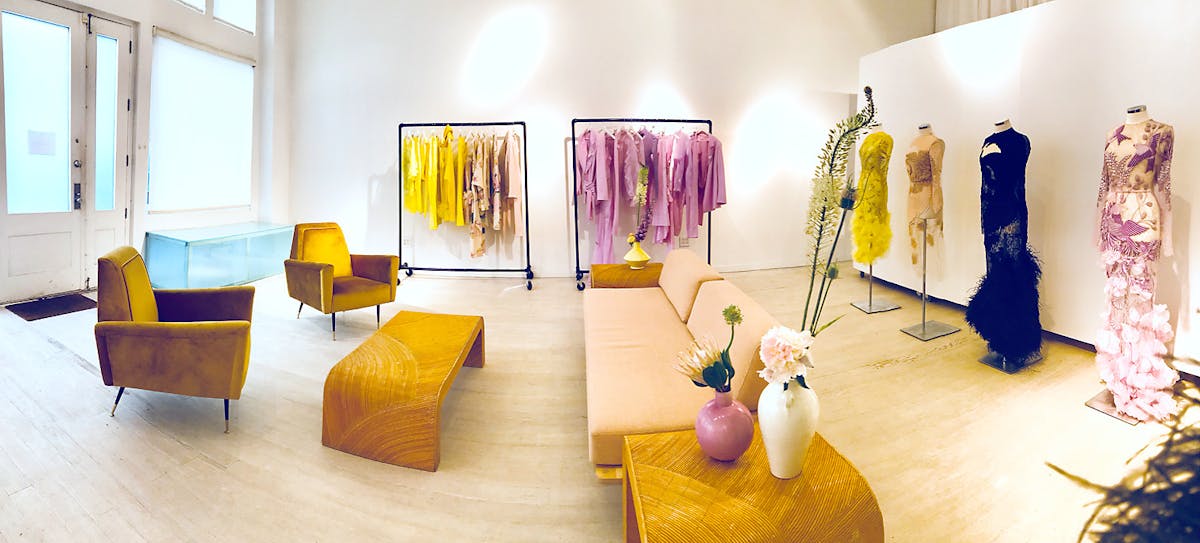
Look for high ceilings, natural or adjustable lighting, enough wall or rail space for product display, and a ground-floor entrance visible from the street. Chicago's commercial stock frequently offers all four, with wide frontages and rear service access that make fit-out straightforward.
Which Chicago neighborhoods work best for fashion pop-ups?
It depends on the brand. Armitage Avenue in Lincoln Park suits premium apparel with a wealthy walking customer. River North reaches visitors, hotel guests and conventioneers. Milwaukee Avenue through Logan Square fits streetwear and emerging designers. The West Loop fills a gap in fashion retail for an affluent residential catchment.
How far ahead should I book a pop-up fashion store in Chicago?
Peak windows like the holiday season and summer festival weekends fill early, so booking several weeks to a few months ahead is practical for those periods. Off-peak months offer more flexibility, and hosts with a gap often negotiate on shorter notice.
Can I run a fashion pop-up for just a weekend?
Yes. Many Chicago spaces are available for daily and weekend bookings, not only multi-week runs. A weekend activation on a busy corridor is a common way to test a market or launch a capsule collection.